CM Conrad Sangma Distributes CMSDF Sanctions in Garo Hills
Synopsis
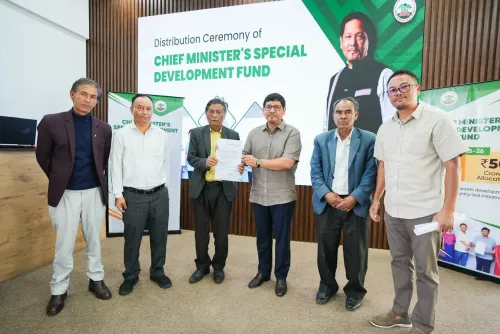
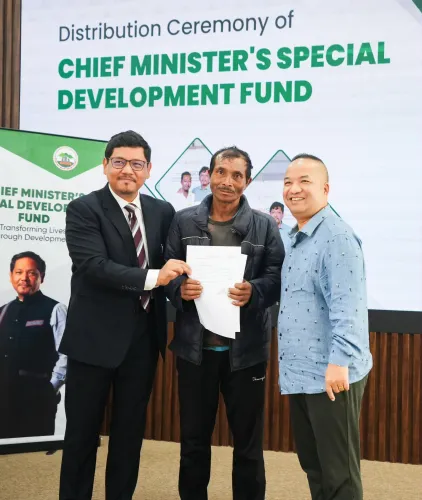
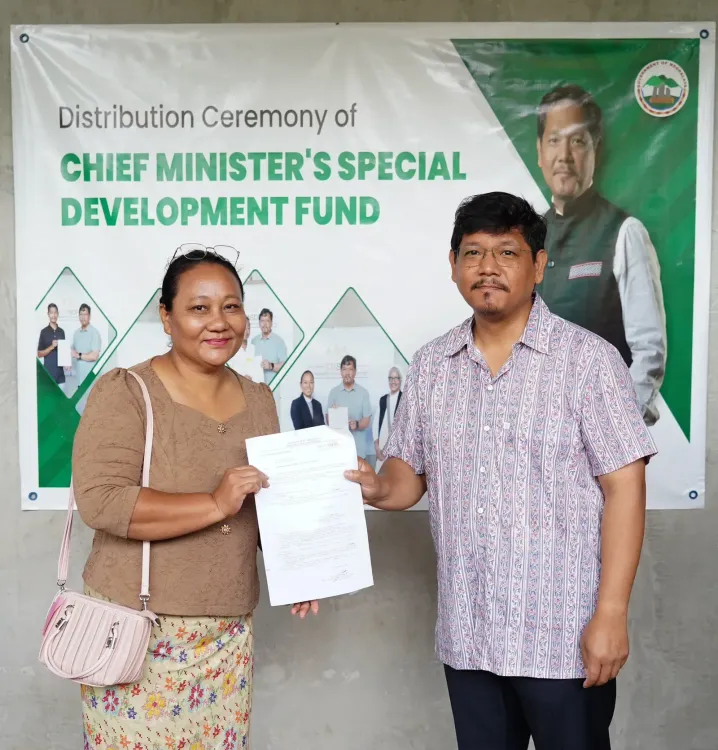
Meghalaya Chief Minister Conrad Sangma distributed sanctions under the Chief Minister's Special Development Fund to individuals, youth groups, educational institutions, and entrepreneurs in Garo Hills on 23 May 2026, reinforcing the state government's direct-delivery development approach in the tribal-majority region.
Key Takeaways
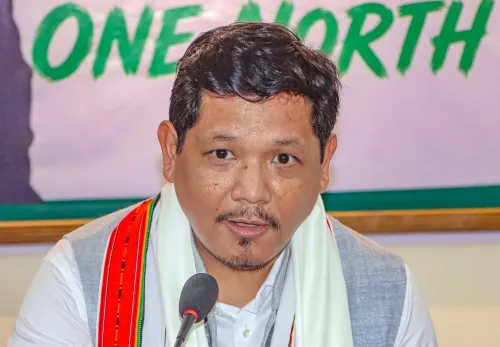
Conrad Sangma , Chief Minister of Meghalaya and NPP national president, handed over CMSDF sanctions on 23 May 2026 .
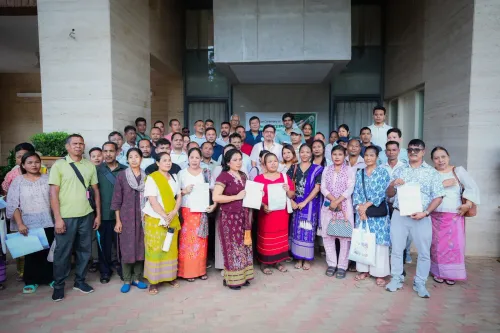
Beneficiaries included individuals, youth groups, educational institutions, and entrepreneurs from across Garo Hills.
The Chief Minister's Special Development Fund is a state-level instrument that supplements centrally sponsored schemes with targeted local support.
Garo Hills in western Meghalaya is a predominantly tribal region and a recurring focus of state-directed development spending.
The NPP -led Meghalaya government has used such direct-sanction mechanisms since coming to power in 2018 to address localised funding gaps.
CMSDF allocations are subject to scrutiny through state budget sessions and assembly audit processes.
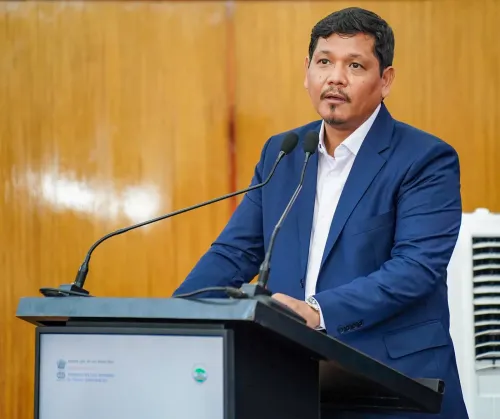
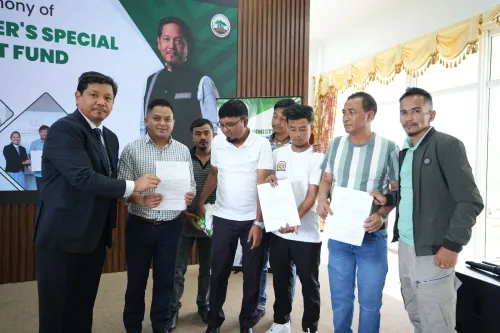
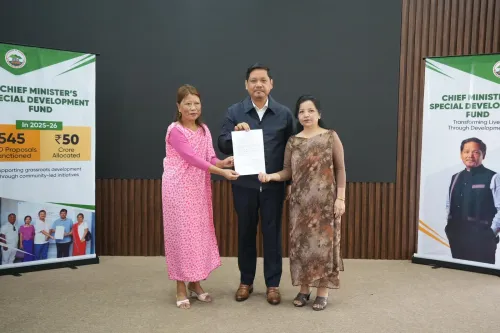
Meghalaya Chief Minister Conrad Sangma on Saturday, 23 May 2026, handed over sanctions under the Chief Minister's Special Development Fund (CMSDF) to individuals, youth groups, educational institutions, and entrepreneurs across Garo Hills, signalling a fresh push to channel state resources directly to one of the region's most development-sensitive areas.
Context
The CMSDF is a state-level instrument designed to provide targeted development support to beneficiaries who may fall outside the ambit of centrally sponsored schemes. Saturday's distribution covered a wide cross-section of society in Garo Hills — from individual applicants and youth collectives to schools and small entrepreneurs — reflecting the fund's mandate to address localised gaps in public spending.
Garo Hills, spread across multiple districts in western Meghalaya, is home to a predominantly tribal population and has historically been a focus area for state-directed development interventions. Chief Minister Sangma, who represents the South Tura constituency in Garo Hills, has maintained a visible engagement with the region throughout his tenure.
Policy Backdrop
Since the National People's Party (NPP)-led government came to power in 2018, the Sangma administration has prioritised state-specific mechanisms to supplement central funds and respond to on-the-ground needs. The CMSDF is one such instrument, allowing the Chief Minister's office to sanction support in a relatively flexible and direct manner.
Across the Northeast, chief minister discretionary and special development funds have served as a bridge between large-scheme allocations and the granular aspirations of communities in remote or underserved pockets. Meghalaya's approach mirrors this broader regional pattern, with an emphasis on youth, education, and entrepreneurship as pillars of grassroots economic activity.
Stakeholders and Impact
The beneficiaries on Saturday spanned multiple categories: individuals seeking personal development support, youth groups working on community initiatives, educational institutions looking to upgrade infrastructure or programmes, and entrepreneurs seeking seed-level assistance. This breadth suggests the CMSDF is being deployed as a multi-purpose welfare instrument rather than a single-sector fund.
For Garo Hills residents, direct sanction events carry practical significance — they compress the distance between state policy and local benefit, reducing the administrative lag that often delays fund disbursal in remote tribal areas. Youth and entrepreneurship-focused sanctions, in particular, align with the state government's stated goal of reducing out-migration from the hills.
What's Next
The utilisation and impact of CMSDF allocations typically come under scrutiny during state budget sessions and through assembly questions raised by opposition members. Audits of such discretionary funds are a standard accountability mechanism in Meghalaya's legislative calendar, and Saturday's distribution round is likely to figure in those discussions.
As the NPP-led government continues to use targeted state funds to reinforce its development narrative ahead of future electoral cycles, the regularity and geographic spread of CMSDF events will be a key indicator of how the administration balances outreach across Khasi Hills, Jaintia Hills, and Garo Hills — the three broad regions of Meghalaya.
Point of View
Education, entrepreneurship) signals an intent to frame the fund as a broad welfare instrument rather than a narrow patronage tool. In the Northeast's political economy, such events carry dual weight: they deliver tangible state presence in remote areas while also reinforcing the ruling party's grassroots connect ahead of electoral cycles. The real test, as always, will lie in utilisation audits and whether the sanctions translate into measurable outcomes on the ground.
NationPress
7 Oct 2026
Frequently Asked Questions
What is the Chief Minister's Special Development Fund in Meghalaya?
The Chief Minister's Special Development Fund (CMSDF) is a state-level scheme that provides targeted development support to individuals, groups, and institutions in Meghalaya, designed to address gaps not covered by centrally sponsored programmes.
Who received CMSDF sanctions in Garo Hills in May 2026?
Beneficiaries included individuals, youth groups, educational institutions, and entrepreneurs from different parts of Garo Hills, as announced by Chief Minister Conrad Sangma on 23 May 2026.
What is Garo Hills and why is it significant for Meghalaya's development?
Garo Hills is a predominantly tribal region in western Meghalaya comprising multiple districts. It has historically been a focus area for state-directed development due to its geographic remoteness and the socioeconomic needs of its tribal communities.
What is the National People's Party and who leads it?
The National People's Party (NPP) is a regional political party that has led the Meghalaya government since 2018. Conrad Sangma serves as both Chief Minister of Meghalaya and national president of the NPP.
How is the CMSDF different from central government schemes?
Unlike centrally sponsored schemes that follow fixed sector mandates and eligibility criteria, the CMSDF gives the Chief Minister's office flexibility to sanction support across diverse categories — individuals, youth bodies, schools, and entrepreneurs — allowing faster, more localised delivery of state resources.