CM Conrad Sangma Hosts SPARK Summit in Tura
Synopsis
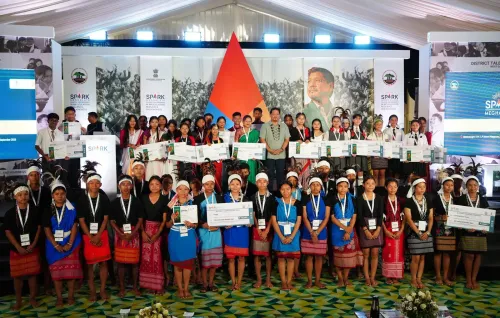
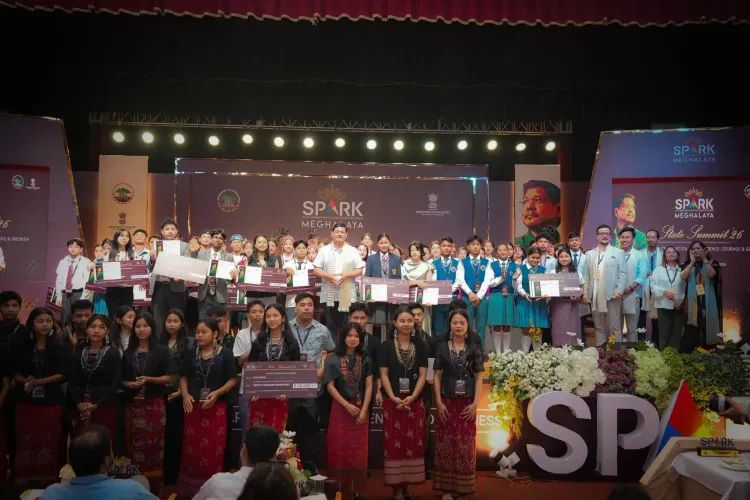
Meghalaya CM Conrad Sangma spotlighted the SPARK State Summit in Tura, where 96 government school students from all 12 districts performed 39 acts under a programme building communication, resilience, and collaborative skills in Classes VI–X.
Key Takeaways
SPARK (School Programmes in Articulation, Resilience and Kindness) targets Classes VI to X in government schools across Meghalaya.
The Tura State Summit featured 39 acts with 96 performers drawn from all 12 districts of the state.
The programme focuses on four pillars: communication, curiosity, resilience, and collaboration — skills aligned with NEP 2020 goals.
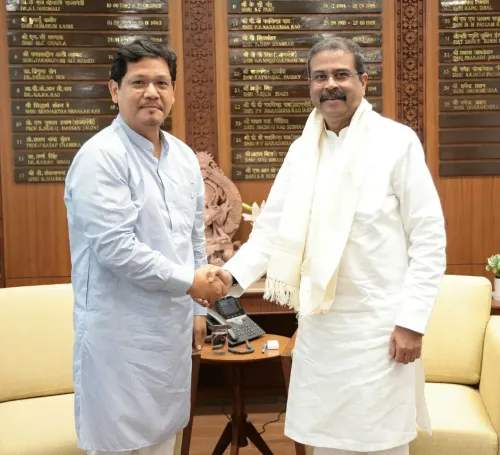
CM Conrad Sangma tagged Union Education Minister Pralhad Joshi and the Ministry of Education , signalling a push for central recognition.
Hosting the summit in Tura gave students from remote districts cross-district exposure and inter-community interaction.
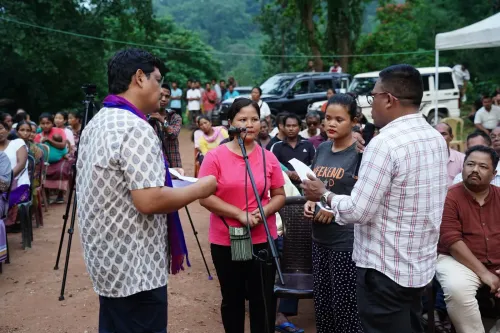
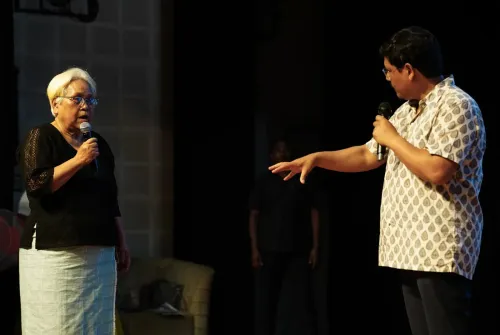
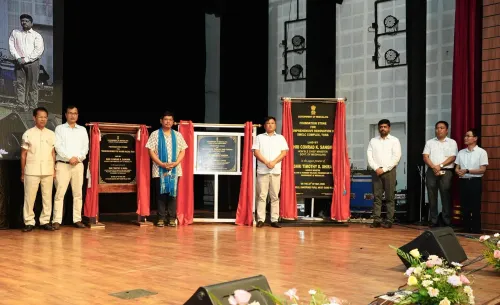
Ninety-six young performers from every corner of Meghalaya took the stage in Tura this week, and Meghalaya Chief Minister Conrad Sangma was watching — and moved. The SPARK State Summit brought together government school students from all 12 districts of the state, turning a town in the Garo Hills into a showcase of confidence, creativity, and cross-community connection.
What SPARK is — and what it asks of students
SPARK — which stands for School Programmes in Articulation, Resilience and Kindness — targets students of Classes VI to X enrolled in government schools across Meghalaya. The programme is built around four pillars: communication, curiosity, resilience, and collaboration — skills the Chief Minister describes as going 'beyond textbooks and examinations.' The summit in Tura was the state-level culmination of that work, featuring 39 acts across a broad range of expressive formats.
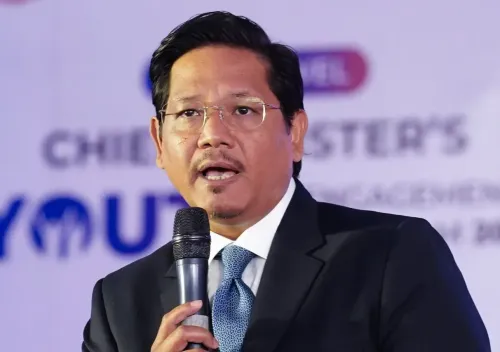
Sangma framed it plainly: 'Investing in education means empowering every child to find their voice, believe in themselves and realise their full potential.' The post also tagged Union Education Minister Pralhad Joshi and the Ministry of Education, signalling a deliberate outreach to the Centre.
Tura as a destination — and why that matters
Hosting the summit in Tura, the administrative and commercial hub of the Garo Hills, was itself a design choice. For many students travelling from Meghalaya's more remote hill districts, the journey is as much a part of the learning as the performance itself — discovering new places, building friendships across communities, and experiencing the state's diversity firsthand. That cross-district exposure is a recurring theme in how Northeastern states have begun thinking about government school education beyond the classroom.
SPARK's fit in India's NEP 2020 shift
The programme sits neatly within the architecture of the National Education Policy 2020, which pushed states to embed critical thinking, emotional resilience, and collaborative skills alongside academic content in school curricula. Meghalaya's SPARK is among the more structured state-level responses to that mandate — district-level events that function as both a pedagogical tool and a confidence-building platform for students who might otherwise have little exposure to competitive or expressive public performance.
The tagging of the Ministry of Education opens a visible door: whether SPARK gets recognised under any central scheme, or whether similar models are encouraged in other Northeastern states, is now a question squarely on the table.
Point of View
Signalling that the state is building a replicable model rather than a one-off initiative. By tagging the Union Education Ministry, Sangma is making a quiet pitch for national recognition or funding linkage, a move that matters in a fiscally constrained state heavily dependent on central transfers. The cross-district format also carries a soft political logic: bringing students from tribal-majority and non-tribal districts together builds the kind of social cohesion that is perennially delicate in Meghalaya. Whether SPARK scales into a formal central-state co-funded scheme will be the true test of its ambition.
NationPress
23 Oct 2026
Frequently Asked Questions
What is the SPARK programme in Meghalaya?
SPARK stands for School Programmes in Articulation, Resilience and Kindness. It is a Meghalaya government initiative for students of Classes VI to X in government schools, focused on building communication, curiosity, resilience, and collaborative skills through performances and activities.
Where was the SPARK State Summit held?
The SPARK State Summit was held in Tura, the main town of the Garo Hills region in Meghalaya.
How many students participated in the SPARK State Summit?
According to Chief Minister Conrad Sangma's post, 96 performers took part in 39 acts, representing all 12 districts of Meghalaya.
How does SPARK relate to NEP 2020?
The National Education Policy 2020 emphasises holistic development — including communication, critical thinking, and resilience — alongside academic learning. SPARK is Meghalaya's structured state-level response to those goals for government school students.
Did the Meghalaya government involve the Centre in the SPARK summit?
Chief Minister Conrad Sangma tagged Union Education Minister Pralhad Joshi and the Ministry of Education in his post about the summit, indicating a bid for central attention or possible collaboration.