CM Conrad Sangma: Khasi, Garo to get official language status
Synopsis
Meghalaya's cabinet has approved the Official Languages Bill, 2026, paving the way for Khasi and Garo to be recognised as official state languages alongside English. The bill, previously issued as an Ordinance, will now be tabled in the upcoming Assembly session before amending the existing Official Language Act.
Key Takeaways
The Meghalaya cabinet approved the Official Languages Bill, 2026 on 13 August 2026 .
Khasi and Garo will be recognised as official languages of Meghalaya alongside English .
The bill was previously promulgated as an Ordinance and will now be formally introduced in the upcoming Assembly session .
Enactment will lead to amendments in the existing Meghalaya Official Language Act .
The move reflects a broader northeastern India pattern of formalising indigenous tribal languages within state governance frameworks.
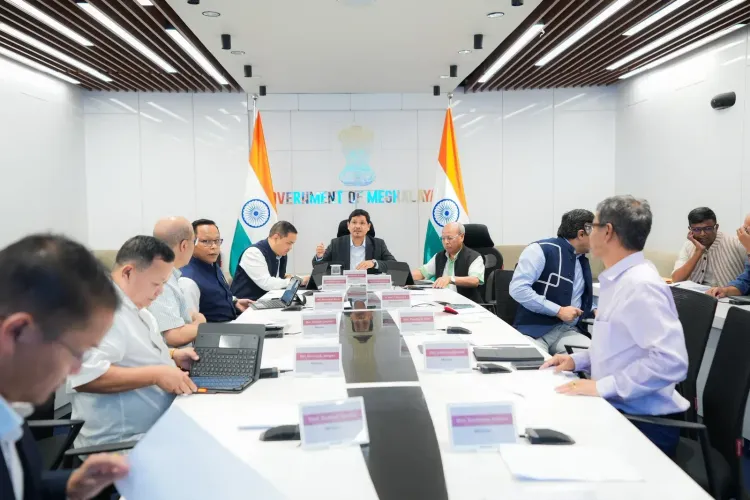
A decades-long aspiration of Meghalaya's tribal communities moved a decisive step closer to law on Thursday, 13 August 2026, as the state cabinet approved the Meghalaya Official Languages Bill, 2026 — formally opening the door for Khasi and Garo to stand alongside English as official languages of the state.
From Ordinance to Assembly floor
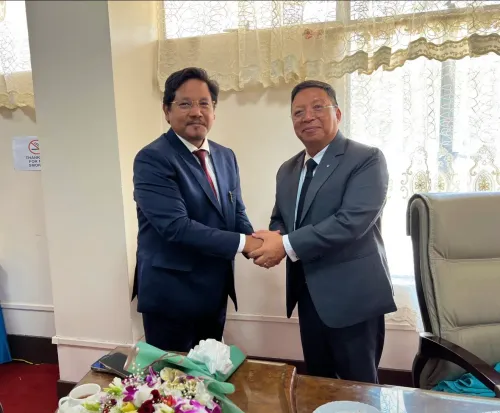
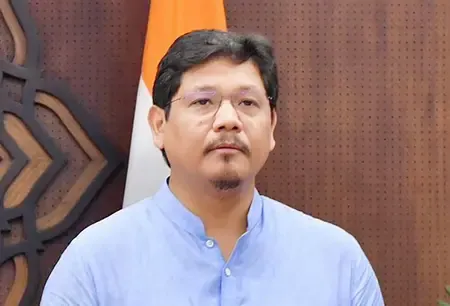
The bill did not arrive without precedent. As Chief Minister Conrad Sangma confirmed, the legislation was 'earlier introduced in the form of an Ordinance' — a stop-gap executive measure that kept the policy alive pending a full legislative session. Cabinet approval now clears it for formal introduction when the Meghalaya Legislative Assembly convenes in its upcoming session, where it will be debated and voted upon by elected representatives.
Once enacted, the bill will trigger amendments to the existing Meghalaya Official Language Act, embedding Khasi and Garo into the state's statutory framework rather than leaving their status to administrative practice alone.
What recognition means for Khasi and Garo speakers
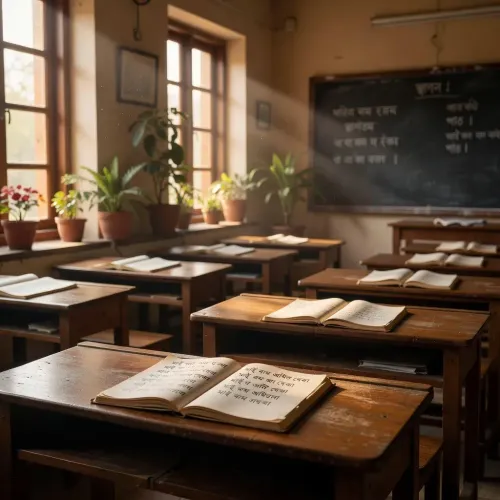
Meghalaya is home to a majority tribal population, with the Khasi and Garo communities forming its two largest linguistic groups. For generations, English — inherited from the colonial administrative architecture and retained at statehood — has been the sole official language, creating a quiet but persistent distance between governance and the mother tongues of most residents.
Official language status is not merely symbolic. It can determine the language of government notifications, court proceedings, public signage, and the medium in which citizens access state services. The bill, as framed, retains English alongside the two tribal languages — a trilingual model that mirrors the incremental approach several other northeastern states have taken to formalise indigenous languages without dismantling existing administrative infrastructure.
A northeast pattern, Meghalaya's moment
Meghalaya's move fits a broader arc across India's northeast, where states have steadily elevated indigenous languages within official frameworks while keeping English as the practical lingua franca of administration and higher education. The National People's Party-led government's push here carries added political weight: the NPP, founded by the late P.A. Sangma and now steered nationally by his son Conrad Sangma, has long positioned itself as the political voice of Meghalaya's tribal identity.
The real test comes on the Assembly floor. How swiftly the session is convened, whether the bill passes without amendment, and how the government frames implementation timelines will determine whether this cabinet approval becomes a durable milestone or a delayed promise.
Point of View
The bill threads a pragmatic needle: it delivers symbolic and legal recognition without disrupting the administrative and educational architecture that Meghalaya's institutions depend on. The Ordinance-to-bill pathway also reveals the government's urgency — executive action was used to move first, with legislative ratification to follow. Whether the Assembly session produces a clean passage or surfaces inter-community or opposition friction will be the clearest indicator of how settled this consensus actually is.
NationPress
13 Aug 2026
Frequently Asked Questions
What is the Meghalaya Official Languages Bill, 2026?
It is a bill approved by the Meghalaya cabinet on 13 August 2026 that proposes to recognise Khasi and Garo as official languages of Meghalaya alongside English, and will amend the existing Meghalaya Official Language Act once enacted by the Assembly.
Why were Khasi and Garo not official languages before?
Since Meghalaya's formation in 1972, English has been the sole official language, a legacy of colonial administrative practice. Khasi and Garo, despite being the mother tongues of the state's majority tribal population, lacked formal statutory recognition.
What was the Ordinance mentioned by Conrad Sangma?
Before the bill's cabinet approval, the government had issued an Ordinance — an executive measure with temporary legal force — to advance the same policy. The bill now replaces that Ordinance with a permanent legislative instrument to be debated in the Assembly.
Will English be removed as an official language in Meghalaya?
No. The bill proposes a trilingual framework: Khasi and Garo will be added as official languages alongside English, which will be retained for administration and education.
When will the Meghalaya Assembly vote on this bill?
The bill is scheduled to be taken up during the upcoming Meghalaya Assembly session. The exact date of the session had not been confirmed at the time of the cabinet announcement.