CM Conrad Sangma Launches e-Challan, EV Portal and Road Safety MoU
Synopsis
Meghalaya CM Conrad Sangma launched the state's e-Challan system, an online EV subsidy portal offering ₹25,000 incentives under the Meghalaya EV Policy 2026, and signed an MoU with SaveLIFE Foundation to cut road fatalities — three transport reforms in a single day.
Key Takeaways
Meghalaya's Digital Transport Citizen Services and e-Challan System went live on November 19, 2026 , digitising traffic enforcement and citizen transport services.
An Online Application Portal for EV Subsidies under the Meghalaya Electric Vehicle Policy 2026 enables eligible buyers to claim a subsidy of ₹25,000 and a waiver of vehicle registration fees.
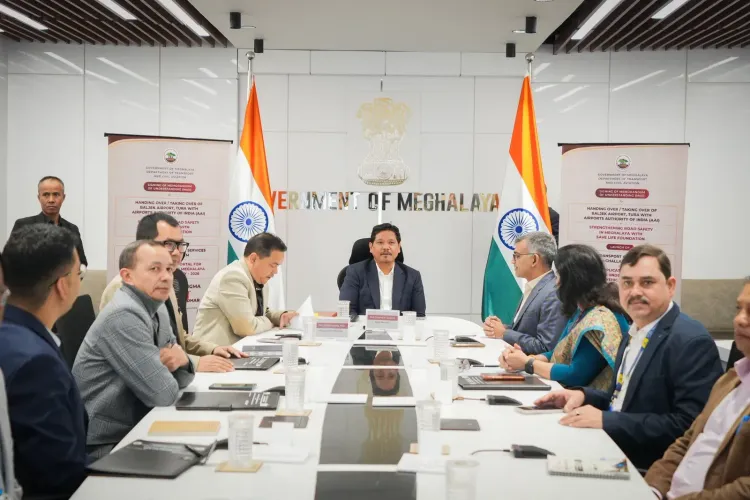
Meghalaya signed an MoU with SaveLIFE Foundation to strengthen road safety through awareness, enforcement, and evidence-based interventions.
The announcements align with Digital India and MoRTH 's national e-Challan rollout, with Union Minister Nitin Gadkari tagged in the official post.
The EV policy mirrors the approach of the Centre's FAME India scheme , adapting national green-mobility goals to Meghalaya's northeastern context.
Three digital and safety initiatives landed in Meghalaya on Thursday, November 19, 2026 — and together they sketch the clearest picture yet of where Meghalaya Chief Minister Conrad Sangma wants the state's transport ecosystem to go. From paperless traffic fines to online EV subsidies to a formal road-safety partnership, the announcements signal a simultaneous push on governance, green mobility, and accident prevention.
e-Challan system and digital transport portal go live
The Digital Transport Citizen Services and e-Challan System is now operational, putting traffic enforcement on a transparent, electronic footing. The system promises citizens faster access to transport-related services while giving enforcement agencies a digitally auditable record — a direct nod to the nationwide e-governance architecture built under the Digital India initiative launched in 2015. The Ministry of Road Transport and Highways (MoRTH), which has been rolling out integrated e-Challan infrastructure across multiple states since the late 2010s, is tagged in the announcement, underscoring the central-state coordination behind the rollout.
₹25,000 incentive and fee waiver under Meghalaya EV Policy 2026
Alongside the enforcement upgrade, the state unveiled an Online Application Portal for EV Subsidies under the Meghalaya Electric Vehicle Policy 2026. Eligible buyers can now apply online — no queues, no manual paperwork — for a subsidy of ₹25,000 per vehicle, plus a full waiver of vehicle registration fees. The incentive structure mirrors the philosophy of the Centre's FAME India scheme, which has nudged EV adoption nationally since 2015, but puts Meghalaya's own policy stamp on the push. For a hilly northeastern state where fuel logistics are costly and air quality is precious, an accelerated shift to electric mobility carries particular weight.
SaveLIFE Foundation MoU targets road fatalities in the Northeast
The third announcement may carry the longest human stakes. Meghalaya signed a Memorandum of Understanding with SaveLIFE Foundation, a non-governmental organisation with a national record of combining policy advocacy with on-ground emergency-care intervention. The partnership is designed to reduce road accidents through improved awareness, institutional capacity-building, stronger enforcement, and evidence-based interventions. Union Minister Nitin Gadkari — the country's most visible champion of road-safety reform — is tagged in the post, signalling alignment with MoRTH's broader national agenda to cut road fatalities. India consistently records among the highest road-death tolls in the world; state-level partnerships like this one translate that national urgency into local action.
What three launches in one day say about Meghalaya's direction
Taken together, the three moves — digital enforcement, green-mobility incentives, and a road-safety compact — reveal a state government threading multiple national policy threads through a single state-level moment. The EV portal and e-Challan system align Meghalaya with the Centre's digitisation push; the SaveLIFE MoU anchors it in one of India's most pressing public-health crises on roads. The coming months will tell how quickly Meghalaya's EV subsidy applications scale and whether the SaveLIFE partnership translates into measurable drops in accident numbers on the state's often treacherous mountain roads.
Meghalaya has just drawn three new lines on a map pointing toward a greener, safer, and more accountable transport future — now comes the work of making the roads match the ambition.
Point of View
Conrad Sangma is visibly positioning Meghalaya as a proactive partner in India's national digitisation and green-mobility agenda — not a passive recipient of central schemes. The ₹25,000 EV incentive and fee waiver are a direct fiscal bet that demand-side nudges can accelerate EV adoption even in a relatively small, hilly state. The SaveLIFE MoU, meanwhile, reflects a growing recognition among state governments that road safety cannot be solved by enforcement alone and requires the NGO sector's on-ground expertise. If the EV portal and road-safety metrics show traction, they become a replicable model for other northeastern states navigating the same terrain — literally and policy-wise.
NationPress
19 Nov 2026
Frequently Asked Questions
What is the EV subsidy amount under the Meghalaya Electric Vehicle Policy 2026?
Eligible electric vehicle buyers in Meghalaya can receive a subsidy of ₹25,000 and a waiver of vehicle registration fees under the Meghalaya Electric Vehicle Policy 2026.
What does the Meghalaya e-Challan system do?
The Digital Transport Citizen Services and e-Challan System makes transport-related services more accessible and efficient for citizens, while improving transparency and accountability in traffic enforcement.
What is SaveLIFE Foundation and why has Meghalaya signed an MoU with them?
SaveLIFE Foundation is an NGO focused on road safety and emergency medical care in India. Meghalaya signed an MoU with the organisation to reduce road accidents through awareness, capacity-building, enforcement, and evidence-based interventions.
How can Meghalaya residents apply for the EV subsidy?
Residents can apply through the newly launched Online Application Portal for EV Subsidies, which allows eligible citizens to submit applications digitally without manual paperwork.
Is the Meghalaya e-Challan system connected to the central government's transport digitisation programme?
Yes. The rollout aligns with MoRTH's national e-Challan infrastructure and the Digital India initiative, with Union Minister Nitin Gadkari tagged in CM Sangma's official announcement.