CM Conrad Sangma lays foundation for Khasi cultural body office in Mylliem
Synopsis
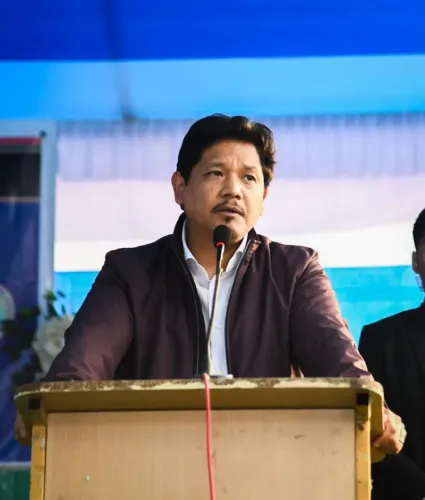
Meghalaya CM Conrad Sangma laid the foundation stone for a ₹41.69 lakh boundary wall for the Khasi cultural body Ka Sengbah Ki Nongshat Nongkhein Hynñiewskum Hynñiewtrep at Mylliem, and announced plans for a dedicated state scheme linking cultural infrastructure with tourism and community participation.
Key Takeaways
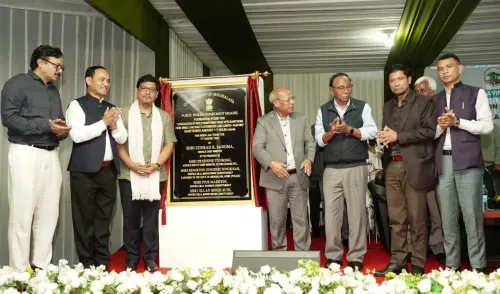
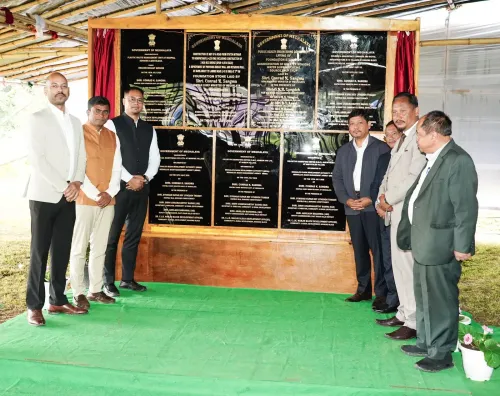
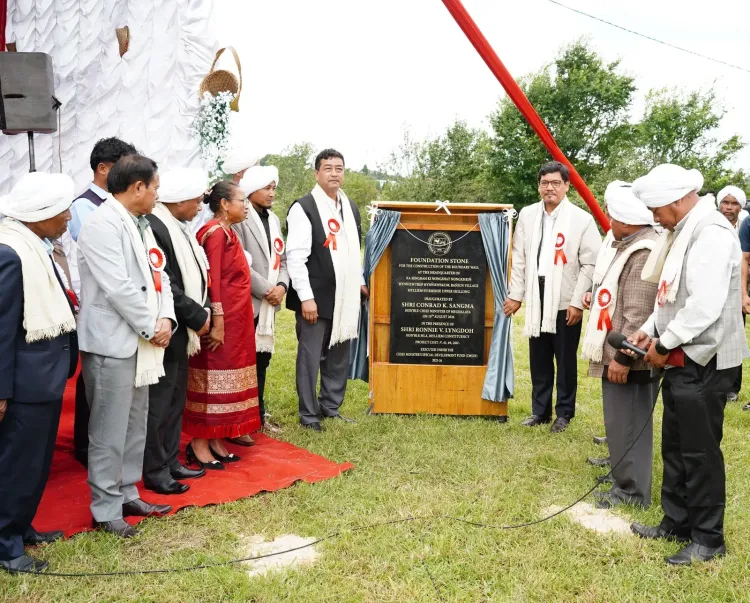
Meghalaya CM Conrad Sangma laid the foundation stone for the boundary wall of the office of Ka Sengbah Ki Nongshat Nongkhein Hynñiewskum Hynñiewtrep at Bañiun under Mylliem , sanctioned at ₹41.69 lakhs .
The project was accompanied by a sacred consecration ceremony, underscoring its cultural and spiritual significance to the Khasi (Hynñiewtrep) community.
CM Sangma announced plans for a dedicated scheme to support cultural, traditional and religious infrastructure across Meghalaya, to be linked with tourism, documentation and community participation.
Both Garo dance and Jaiñtia dance were featured at the event, reflecting the government's intent to represent all three major tribal communities of Meghalaya.
Former Union Minister of Tribal Affairs Jual Oram was present at the ceremony, signalling Centre-state alignment on tribal heritage priorities.
A boundary wall costing ₹41.69 lakhs may sound modest, but for Meghalaya Chief Minister Conrad Sangma, the foundation stone laid at Bañiun under Mylliem on Wednesday, August 19 carries weight far beyond its budget line — it marks a formal state commitment to brick-and-mortar protection of indigenous Khasi heritage.
What is Ka Sengbah Ki Nongshat Nongkhein Hynñiewskum Hynñiewtrep?
Ka Sengbah Ki Nongshat Nongkhein Hynñiewskum Hynñiewtrep is a cultural body representing the Hynñiewtrep — the collective name for the Khasi indigenous community of Meghalaya. The organisation's office, now receiving a government-sanctioned boundary wall, sits in Mylliem, an assembly constituency in the East Khasi Hills district. The sacred consecration ceremony that accompanied the foundation stone laying underlined the project's significance to the community — this was not a ribbon-cutting, it was a ritual.
A dedicated scheme for cultural infrastructure — the signal in Sangma's announcement
Beyond the single project, CM Sangma used the occasion to share plans for a dedicated scheme to support cultural, traditional and religious infrastructure across Meghalaya. The proposal, as he described it, would link such infrastructure with tourism, documentation and community participation — a three-pronged approach that frames heritage protection not as expenditure but as an economic and social investment. Details and the scheme's budget are yet to be formally announced.
The programme itself reflected that multi-community vision. The inclusion of both Garo dance and Jaiñtia dance alongside the Khasi-centric occasion was deliberate — a visible signal that the state's cultural agenda is not parochial. Meghalaya's three major tribal groups — Khasi, Garo and Jaiñtia — each carry distinct traditions, and their shared presence on stage was the government's way of saying: unity, not uniformity.
Northeast India's pattern of tribal heritage infrastructure
Meghalaya is not the first northeastern state to invest in small-scale infrastructure for tribal cultural bodies. Across the region, governments have long used targeted grants to sustain the physical homes of indigenous institutions — community halls, cultural centres, boundary walls — as anchors for heritage that might otherwise exist only in memory. What distinguishes Sangma's articulation here is the explicit linkage to tourism and documentation, nudging these projects toward a self-sustaining ecosystem rather than one-off grants. Jual Oram, BJP leader and former Union Minister of Tribal Affairs, was also present at the event — a reminder that tribal welfare remains a point of convergence between the state's National People's Party and its coalition partners at the Centre.
Sangma's closing words at the event — that 'by loving and protecting our own communities while respecting others, and by working together with unity and brotherhood, we can build a stronger Meghalaya while keeping our roots firmly intact' — read less like a politician's soundbite and more like a governing philosophy he is now trying to fund.
The real test will be the dedicated scheme. When its budget and eligibility criteria are tabled, Meghalaya will know whether this foundation stone was the beginning of a policy or just a ceremony.
Point of View
Sangma is also managing the perennial political tension of governing a state with three distinct tribal identities. The presence of Jual Oram signals that this agenda enjoys Centre-level endorsement, which matters for funding. The unanswered question is whether the proposed dedicated scheme will deliver systemic change or remain a political promise — and the answer will define whether this foundation stone becomes a policy landmark or a photo opportunity.
NationPress
19 Aug 2026
Frequently Asked Questions
What is Ka Sengbah Ki Nongshat Nongkhein Hynñiewskum Hynñiewtrep?
Ka Sengbah Ki Nongshat Nongkhein Hynñiewskum Hynñiewtrep is a cultural organisation representing the Hynñiewtrep (Khasi) indigenous community of Meghalaya. Its office at Bañiun under Mylliem in East Khasi Hills is receiving a government-sanctioned boundary wall costing ₹41.69 lakhs.
What did Conrad Sangma announce at the Mylliem foundation stone ceremony?
CM Conrad Sangma announced plans to introduce a dedicated state scheme to support cultural, traditional and religious infrastructure across Meghalaya, linking it with tourism, documentation and community participation. He also laid the foundation stone for the ₹41.69 lakh boundary wall of the Khasi cultural body's office.
Where is Mylliem and why is it significant?
Mylliem is an assembly constituency in the East Khasi Hills district of Meghalaya. It is home to the office of Ka Sengbah Ki Nongshat Nongkhein Hynñiewskum Hynñiewtrep, a key Khasi cultural institution, making it culturally significant for the Hynñiewtrep community.
Who is Jual Oram and why was he at the Meghalaya cultural event?
Jual Oram is a BJP leader and former Union Minister of Tribal Affairs. His presence at the foundation stone ceremony in Mylliem indicated Centre-state alignment on tribal heritage and cultural infrastructure priorities in Meghalaya.
How does Meghalaya plan to link cultural infrastructure with tourism?
CM Conrad Sangma has shared plans for a dedicated scheme that would fund cultural, traditional and religious infrastructure while simultaneously connecting these projects with tourism promotion, heritage documentation and community participation — aiming to make cultural preservation economically self-sustaining.