CM Conrad Sangma meets Khasi traditional bodies on land bill
Synopsis
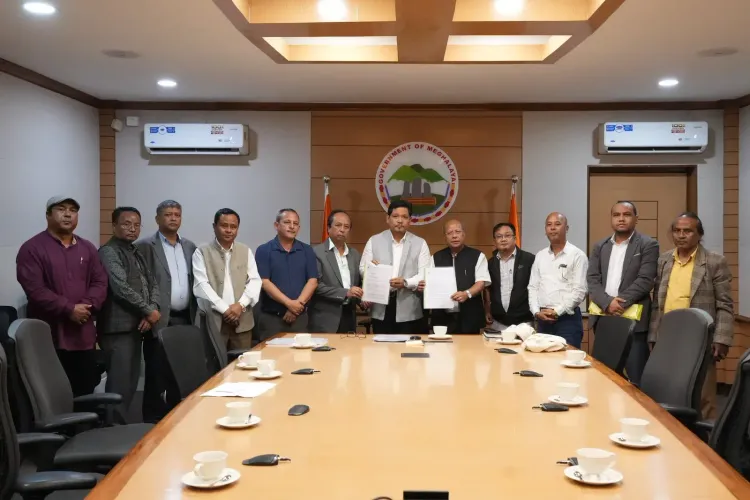
Meghalaya CM Conrad Sangma and Deputy CM Prestone Tynsong held talks with two major Khasi traditional federations on 7 August 2026 over the Khasi Hills land amendment bill and a Raid Land ceiling notification, pledging to protect indigenous land rights and matrilineal heritage.
Key Takeaways
CM Conrad Sangma and Deputy CM Prestone Tynsong met two Khasi traditional federations on 7 August 2026 .
The delegations raised concerns about the Khasi Hills Autonomous District (Regulation and Administration of Land) (Amendment) Bill, 2026 .
A government notification on fixing a ceiling on Raid Land — community-held customary land — was also on the table.
The government assured both bodies their concerns would receive 'due consideration.' The state reaffirmed commitment to protecting matrilineal heritage , customary governance, and indigenous land rights under the Sixth Schedule .
Further consultations or bill revisions are expected before the measure reaches the KHADC or state assembly.
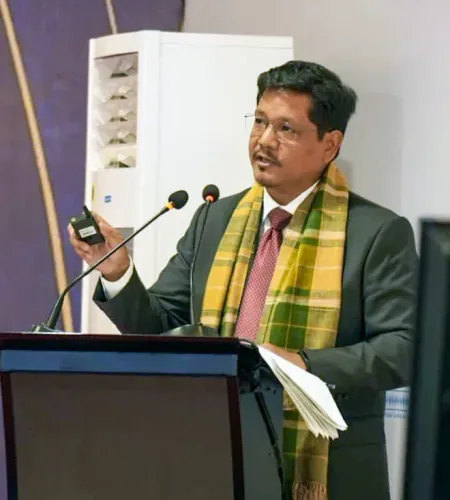
Land, lineage, and law converged in Shillong on Friday, 7 August 2026, as two of the most influential traditional federations in the Khasi hills walked into a meeting with Meghalaya Chief Minister Conrad Sangma and Deputy Chief Minister Prestone Tynsong — carrying pointed concerns about a proposed law that could reshape how indigenous land is owned and passed down for generations.
The delegations — the Synjuk Ki Nongsynshar Shnong Ka Bri U Hynniewtrep (the federation of traditional village heads) and the Synjuk Ki Rangbah Kur Ka Bri U Hynniewtrep (the federation of clan heads) — pressed their views on two specific measures: the Khasi Hills Autonomous District (Regulation and Administration of Land) (Amendment) Bill, 2026, and a government notification fixing a ceiling on Raid Land, the community-held land that sits at the heart of Khasi customary tenure.
What the two federations represent
These are not ceremonial bodies. The Rangbah Shnong — village-level headmen organised under the Nongsynshar Shnong federation — are the first point of governance in Khasi communities, managing local disputes and customary norms on the ground. The Rangbah Kur, or clan heads, are custodians of the matrilineal inheritance system unique to the Khasi people, where property — including land — passes through the female line, not the male.
Together, they represent the living architecture of a governance tradition that predates the Indian Constitution. Their alarm over the Amendment Bill signals that the proposed changes touch something foundational.
Why the Sixth Schedule makes this complicated
Meghalaya's tribal land laws operate under the Sixth Schedule of the Constitution, which since 1950 has empowered the Khasi Hills Autonomous District Council (KHADC) to regulate land, forests, and customary practices independently of the state legislature. Any amendment that intersects with those powers — or with the ceiling on Raid Land — must navigate a careful constitutional path.
Meghalaya governments have historically consulted the KHADC and traditional bodies before moving on land legislation, precisely because the stakes are this high: a misstep can unravel protections that shield indigenous landholders from alienation, outsider entry, or forced consolidation.
What the government committed to
CM Sangma described the exchange as 'constructive' and assured both delegations that 'their views and concerns would be given due consideration.' The government's statement went further, affirming its commitment to 'safeguard our traditional institutions, customary governance, indigenous land rights, and the unique matrilineal heritage of Meghalaya.'
That phrasing is deliberate. Naming the matrilineal heritage specifically signals that the government is aware of what is at stake culturally — not just legally — and is attempting to reassure communities that the Amendment Bill will not erode the Khasi system of female-line inheritance that makes this society distinct in South Asia.
The next test is whether those assurances translate into concrete revisions to the Bill before it reaches the KHADC or the state assembly floor.
Point of View
The NPP government is following a well-worn playbook of managed consultation — but the specificity of the Raid Land ceiling notification suggests the pressure this time is unusually concrete. How the government balances statutory reform with the matrilineal inheritance system will be a signal of whether Sixth Schedule autonomy remains substantive or increasingly ceremonial in practice.
NationPress
21 Sept 2026
Frequently Asked Questions
What is the Khasi Hills land amendment bill 2026 about?
The Khasi Hills Autonomous District (Regulation and Administration of Land) (Amendment) Bill, 2026 proposes changes to how land is regulated and administered in the Khasi Hills. The specific provisions have not been made fully public, but traditional bodies have raised concerns about its impact on indigenous land rights and customary governance.
What is Raid Land in Meghalaya?
Raid Land refers to community-held land governed by customary Khasi law under the Raid — a traditional territorial unit. It is collectively owned and managed according to indigenous norms, and any government ceiling on its use or transfer directly affects communal land rights.
Who are the Synjuk Ki Rangbah Shnong and Rangbah Kur?
The Synjuk Ki Nongsynshar Shnong Ka Bri U Hynniewtrep is a federation of village heads (Rangbah Shnong) in Khasi communities who manage local customary governance. The Synjuk Ki Rangbah Kur Ka Bri U Hynniewtrep is a federation of clan heads who safeguard the matrilineal system of property inheritance unique to the Khasi people.
What is the Sixth Schedule and how does it protect Meghalaya's tribal land?
The Sixth Schedule of the Indian Constitution, in force since 1950, grants Autonomous District Councils — including the Khasi Hills Autonomous District Council — the power to regulate land, forests, and customary laws in tribal areas. This gives Khasi institutions a constitutional shield against land alienation and outsider entry.
What did CM Conrad Sangma promise the Khasi traditional bodies?
CM Sangma assured both delegations that their views and concerns would be given 'due consideration,' and reaffirmed the government's commitment to safeguarding traditional institutions, customary governance, indigenous land rights, and Meghalaya's matrilineal heritage.