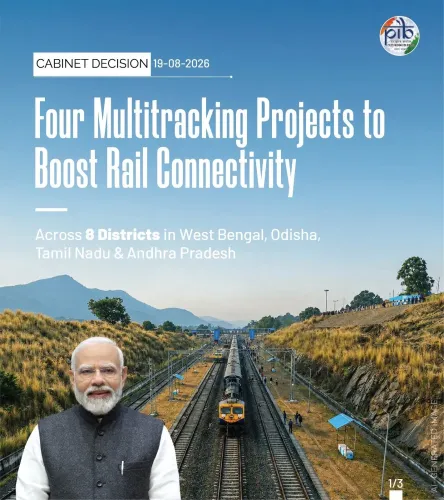
CCEA Greenlights ₹13,040 Cr Rail and Road Push Across Five States
Synopsis
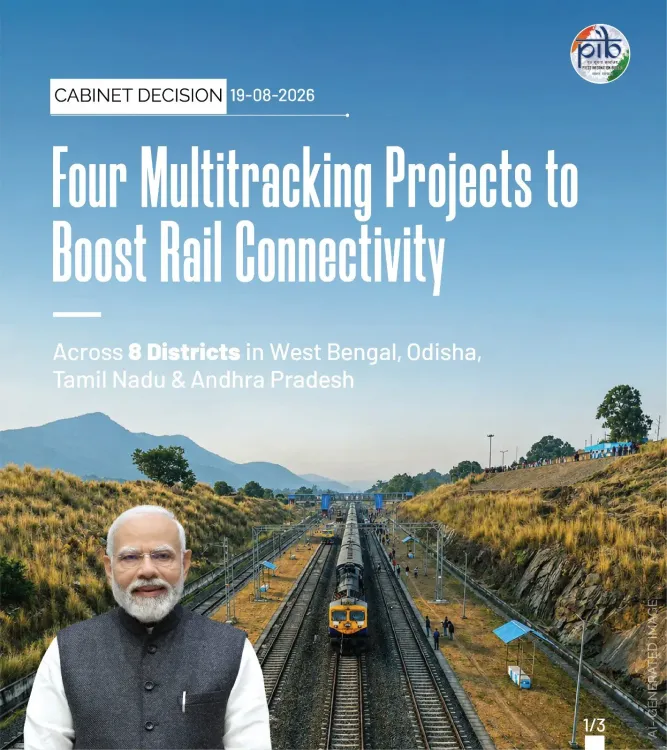
The Cabinet Committee on Economic Affairs, chaired by PM Modi, approved four railway multitracking projects covering 410 km across West Bengal, Odisha, Andhra Pradesh and Tamil Nadu for ₹9,450 crore, and a four-laning of 82.578 km of NH-22 in Bihar for ₹3,590.73 crore under Hybrid Annuity Mode.
Key Takeaways
Four railway multitracking projects approved across West Bengal, Odisha, Andhra Pradesh, and Tamil Nadu , covering nearly 410 km .
Rail multitracking investment pegged at ₹9,450 crore , aimed at easing congestion and improving freight and passenger reliability.
82.578 km Muzaffarpur–Sitamarhi–Sonbarsa section of NH-22 in Bihar approved for four-laning at ₹3,590.73 crore .
The Bihar highway project will be executed under Hybrid Annuity Mode (HAM) , a government-private cost-sharing PPP structure.
Combined investment across both approvals exceeds ₹13,000 crore .
Decisions align with the continuing National Rail Plan and national highway expansion programmes targeting eastern and southern India connectivity gaps.
Two infrastructure bets — one on steel rails, one on asphalt — cleared the Cabinet Committee on Economic Affairs on Wednesday, August 19, 2026, as Union Power Minister Manohar Lal Khattar announced approvals that together channel over ₹13,000 crore into expanding India's rail and road arteries across West Bengal, Odisha, Andhra Pradesh, Tamil Nadu, and Bihar.
Four States, 410 km, ₹9,450 Crore on the Railway Map
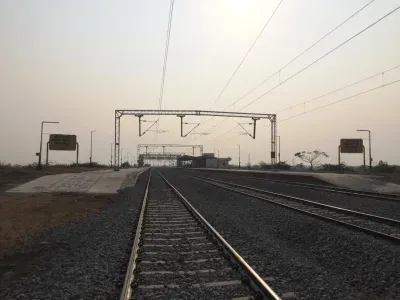
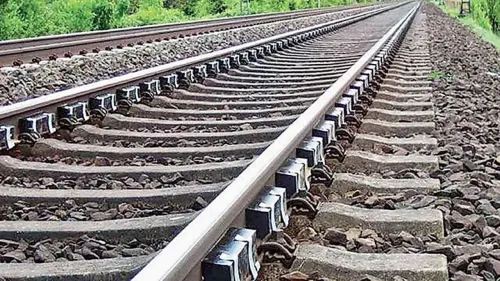
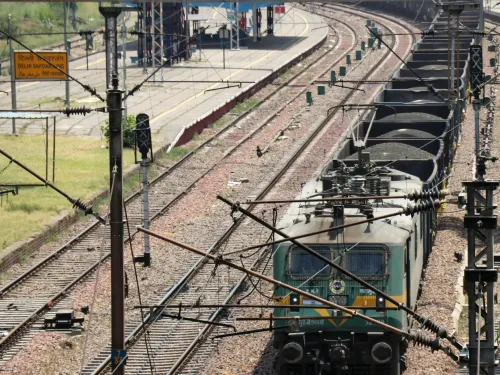
The bigger of the two decisions targets Indian Railways. The CCEA approved four multitracking projects spanning approximately 410 km across West Bengal, Odisha, Andhra Pradesh, and Tamil Nadu at an estimated cost of ₹9,450 crore. Multitracking — adding parallel lines to existing corridors — is the most direct surgical fix for a network where busy trunk routes routinely run at or beyond capacity, forcing trains to queue and schedules to slip.
The practical payoff is threefold: eased congestion on some of the country's most saturated corridors, greater headroom for freight operators who compete with passenger services for track time, and more predictable timetables for the millions who use these routes daily. Southern and eastern India have been recurring recipients of such approvals as the government works through a long backlog of capacity gaps identified under the National Rail Plan framework.
NH-22 in Bihar Gets Its Four-Lane Upgrade
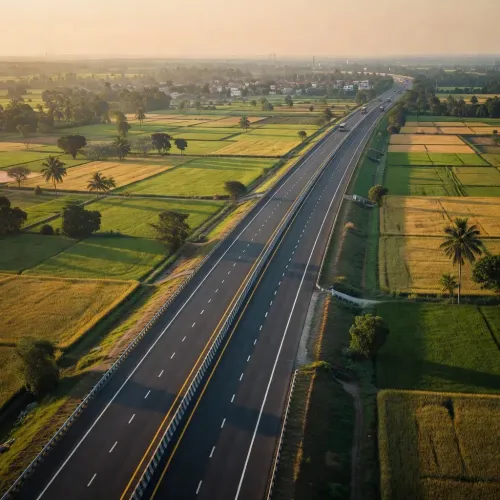
The second approval zeroes in on Bihar. The 82.578 km Muzaffarpur–Sitamarhi–Sonbarsa section of NH-22 will be upgraded to a four-lane highway at a capital cost of ₹3,590.73 crore, to be executed under the Hybrid Annuity Mode (HAM) — the public-private partnership structure under which the government funds a portion of construction upfront and pays the rest in annuities after the project is commissioned.
The Muzaffarpur–Sitamarhi belt sits in north Bihar, a region with dense population and significant agricultural freight movement but historically thin road infrastructure. A four-lane upgrade on this stretch directly cuts travel time for passengers and reduces turnaround time for trucks carrying goods between the Nepal border hinterland and Bihar's commercial centres. HAM has been the preferred delivery vehicle for national highway projects since its adoption in the mid-2010s, allowing private contractors to share construction risk while keeping long-term asset ownership with the state.
A Continuing Drumbeat of Connectivity Spending
Taken together, the two approvals fit a well-established pattern: successive CCEA meetings have steadily converted the National Rail Plan and the national highway expansion programme into project-by-project ground reality. The eastern and southern corridors — Bihar, Bengal, Odisha, Andhra, Tamil Nadu — have appeared repeatedly on these approval lists, reflecting a deliberate focus on states where connectivity deficits remain most acute.
What comes next is the harder part: land acquisition, tendering, and the first shovels in the ground. Those timelines will determine whether today's cabinet stamp translates into capacity that commuters and freight operators can actually use — and how soon.
Point of View
Which limits political risk while maintaining a steady drumbeat of project announcements. The choice of Hybrid Annuity Mode for the Bihar highway signals continued state confidence in a PPP structure that de-risks private contractors enough to attract bids on projects in fiscally challenging states. The clustering of rail approvals in eastern and southern India reflects a deliberate sequencing of the National Rail Plan backlog, where trunk-route saturation is most acute. The real test, as with every CCEA approval, is execution speed — land acquisition and tendering timelines will determine whether the ₹13,040 crore translates into usable infrastructure within any politically meaningful window.
NationPress
5 Oct 2026
Frequently Asked Questions
What did the CCEA approve for Indian Railways on August 19 2026?
The CCEA approved four multitracking projects covering nearly 410 km across West Bengal, Odisha, Andhra Pradesh, and Tamil Nadu at an estimated cost of ₹9,450 crore, aimed at easing congestion and improving rail capacity.
What is the NH-22 Bihar project approved by the Cabinet?
The CCEA approved the four-laning of the 82.578 km Muzaffarpur–Sitamarhi–Sonbarsa section of NH-22 in Bihar at a capital cost of ₹3,590.73 crore under the Hybrid Annuity Mode PPP framework.
What is Hybrid Annuity Mode in highway projects?
Hybrid Annuity Mode (HAM) is a public-private partnership model where the government pays a portion of the project cost upfront during construction and the rest in regular annuity instalments after the project is commissioned, sharing financial risk with private contractors.
Which states benefit from the railway multitracking approvals?
West Bengal, Odisha, Andhra Pradesh, and Tamil Nadu are the four states covered by the approved multitracking projects spanning approximately 410 km.
What is the total investment approved in the August 19 CCEA Cabinet decisions for infrastructure?
The two approvals together amount to over ₹13,040 crore — ₹9,450 crore for railway multitracking and ₹3,590.73 crore for the Bihar highway upgrade.