CM Conrad Sangma opens Shillong Literary Festival's 6th Edition
Synopsis
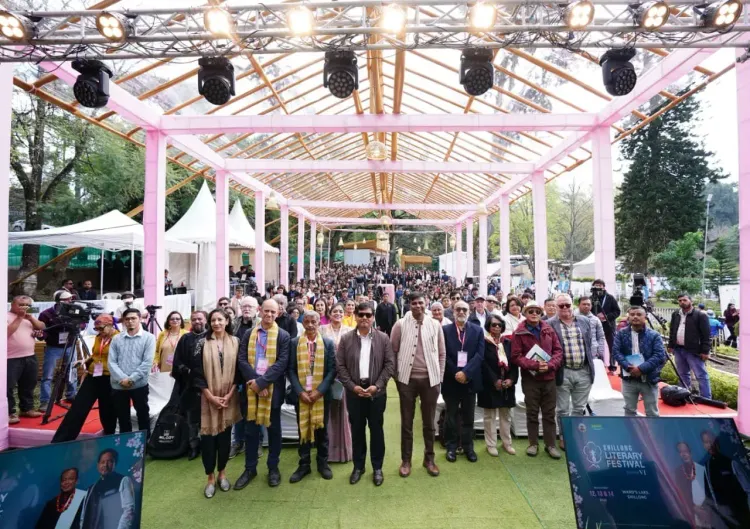
Meghalaya Chief Minister Conrad Sangma inaugurated the Sixth Edition of the Shillong Literary Festival at Ward's Lake on November 12, 2026, celebrating six years of growth and calling for the festival to expand to new cities and international platforms, with the Ministry of Tourism tagged as a potential partner.
Key Takeaways
Conrad Sangma inaugurated the Sixth Edition of the Shillong Literary Festival at Ward's Lake, Shillong on November 12, 2026 .
The festival, now in its sixth year, has grown from an uncertain start into a recognised platform for literature, creativity, and ideas in Northeast India.
CM Sangma emphasised youth as the primary audience, framing the festival as a space for young people to discover talent and connect with global creative minds.
Sangma expressed ambitions to take the festival to new cities and international platforms in coming years.
The Ministry of Tourism and Jyotiraditya Scindia were tagged in the post, signalling possible central government engagement for wider promotion or funding.
Northeastern states have increasingly used literary festivals as tools to amplify regional voices and support tourism strategies.
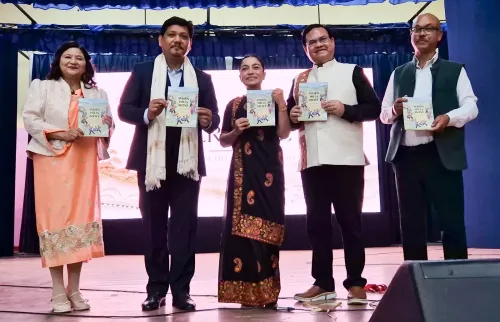
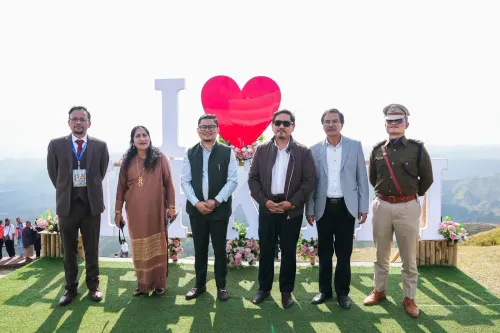
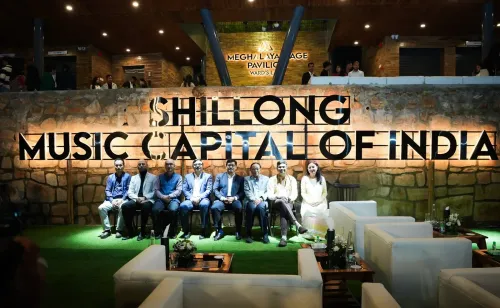
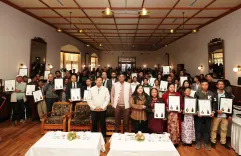
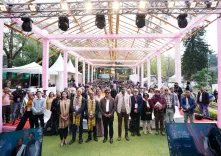
Six years after a vision took root beside the quiet waters of Ward's Lake, Meghalaya Chief Minister Conrad Sangma inaugurated the Sixth Edition of the Shillong Literary Festival on Thursday, November 12, 2026 — turning what once began with 'a vision and uncertainties' into one of Northeast India's most celebrated creative platforms.
From uncertain beginnings to a Northeast cultural landmark
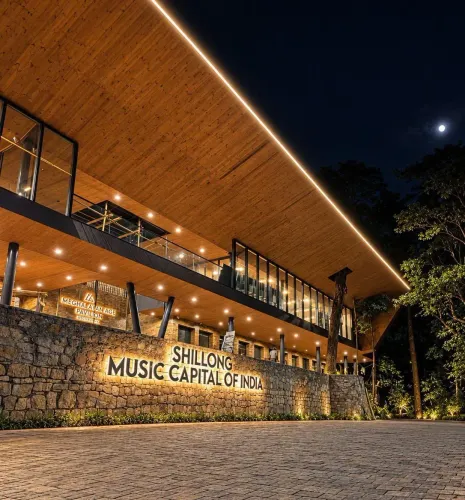
Speaking at the inauguration, CM Sangma reflected on the festival's journey with visible pride. 'What began with a vision and uncertainties has grown into an important platform celebrating literature, creativity and ideas,' he said. The choice of Ward's Lake — a Victorian-era garden lake at the heart of Shillong — as the venue underlines the festival's intent to blend heritage with creative energy.
Northeastern states have increasingly turned to literary and cultural festivals as dual-purpose instruments: amplifying regional voices that rarely find space on national stages, while simultaneously drawing visitors and anchoring a wider tourism strategy. Meghalaya's government has pursued this approach since the early 2010s, with cultural programming closely tied to state tourism goals.
Youth, creativity, and the larger vision behind the festival
Sangma framed the festival as far more than a gathering of authors. 'The Literary Festival is part of this larger vision, creating opportunities for our young people to discover their talents, express themselves and connect with creative minds from across the world,' he said. That framing — youth as the primary beneficiary — signals the government's interest in using cultural infrastructure to address aspiration and opportunity in a state where young talent has historically had limited local platforms.
The event drew the attention of central government stakeholders as well. CM Sangma tagged the Ministry of Tourism and Jyotiraditya Scindia in his post, a move that points toward possible coordination on funding, promotion, or an expanded national footprint for the festival in coming editions.
Sangma's call: new cities, international stages
Sangma made no secret of his ambitions for where the festival goes next. 'Hope to see the festival reach new cities and international platforms in the years ahead,' he said — extending best wishes to 'all the authors, artists, organisers and participants.' The tagging of the tourism ministry adds institutional weight to that aspiration; central support could be what bridges a Shillong festival to a genuinely national or global circuit.
For a state like Meghalaya, where the creative economy is nascent but the cultural richness is deep, a literary festival with an international mandate could become a meaningful pipeline — connecting local writers and artists to agents, publishers, and collaborators they would otherwise never meet at home.
Six editions in, the Shillong Literary Festival has already outlasted the doubts that accompanied its founding. The question now is not whether it will survive — it's how far it will travel.
Point of View
Not mere ceremony. The tagging of the Ministry of Tourism signals an attempt to pull central resources into what has so far been a largely state-driven initiative — a smart move as competition among Northeastern states for tourism attention intensifies. For the National People's Party, fostering a thriving creative economy in a small state offers a rare, non-partisan electoral dividend: visible impact for young voters without the friction of contentious policy. The ambition to take the festival international is the most consequential signal — it would mark Meghalaya's transition from cultural participant to cultural exporter.
NationPress
12 Nov 2026
Frequently Asked Questions
What is the Shillong Literary Festival?
The Shillong Literary Festival is an annual cultural event in Shillong, Meghalaya, that celebrates literature, creativity, and ideas. Its sixth edition was inaugurated by Chief Minister Conrad Sangma at Ward's Lake on November 12, 2026.
Where is Ward's Lake in Shillong?
Ward's Lake is a scenic Victorian-era garden lake located in the heart of Shillong, the capital of Meghalaya. It is frequently used as a venue for cultural and public events.
Who inaugurated the 2026 Shillong Literary Festival?
Meghalaya Chief Minister Conrad Sangma inaugurated the Sixth Edition of the Shillong Literary Festival on November 12, 2026.
What is Conrad Sangma's vision for the Shillong Literary Festival?
CM Sangma has expressed hopes that the festival will expand to new cities and international platforms, using it as a vehicle for youth creativity and as part of Meghalaya's broader cultural and tourism strategy.
Is the Ministry of Tourism involved in the Shillong Literary Festival?
CM Sangma tagged the Ministry of Tourism and Jyotiraditya Scindia in his post announcing the inauguration, indicating potential central government interest in promoting or funding the festival's expansion.