CM Conrad Sangma Reviews Monsoon Crisis in Meghalaya

Synopsis
Meghalaya Chief Minister Conrad Sangma on July 11, 2026, chaired a review with Deputy Commissioners after continuous rain caused landslides and flooding in Garo Hills and Khasi Hills. No lives were lost. He directed the administration to stay on high alert, restore road connectivity, and ensure relief reaches affected families.
Key Takeaways
CM Conrad Sangma chaired a monsoon review meeting with Deputy Commissioners on July 11, 2026 .
Continuous rainfall triggered landslides and localised flooding in Garo Hills and Khasi Hills .
No lives have been lost in the current monsoon spell, attributed to the alertness of field teams.
Sangma directed the administration to restore affected road connectivity and ensure relief reaches every affected family without delay.
The Chief Minister appealed to citizens to avoid landslide-prone stretches and flooded streams. @PMOIndia was tagged in the update, signalling possible need for central assistance under disaster relief norms.
Meghalaya Chief Minister Conrad Sangma on Saturday, July 11, 2026, chaired a review meeting with Deputy Commissioners across the state to assess the monsoon situation, as continuous rainfall triggered landslides and localised flooding in parts of the Garo Hills and Khasi Hills. The Chief Minister confirmed that no lives had been lost in the current spell and issued a series of directives to keep the administration on high alert.
Context
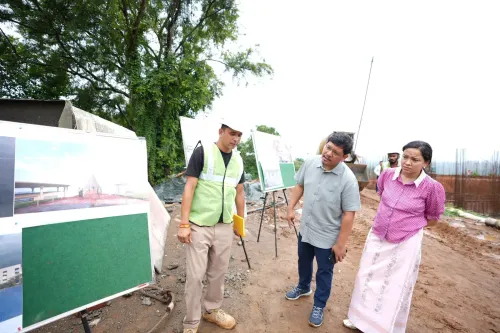
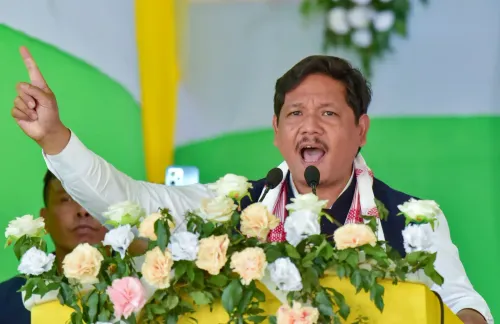
Posting on X, Sangma said that field teams had responded with 'alertness and hard work,' crediting their efforts for the absence of casualties. He tagged @PMOIndia in the update — a standard channel through which state governments signal the need for central attention or assistance under national disaster relief norms. The post was accompanied by four images from the review meeting.
Meghalaya is one of India's wettest states, with orographic rainfall exceeding 10,000 mm annually in several locations. This makes the state's hilly terrain — particularly in Garo Hills and Khasi Hills — among the most vulnerable to monsoon-season landslides and road disruptions in the country.
Policy Backdrop
The review meeting is consistent with obligations under the Disaster Management Act, 2005, which requires state and district-level authorities to conduct structured assessments during natural calamities. Deputy Commissioners serve as the principal district-level coordinators for disaster response and are expected to maintain direct communication with block-level teams and line departments during active weather events.
Sangma directed the administration to prioritise the restoration of affected road connectivity and to ensure that 'relief reaches every affected family without delay.' He also called for close coordination between block-level response teams and line departments, reflecting the multi-tier structure envisaged under the national disaster management framework.
Stakeholders and Impact
The regions most affected — Garo Hills in western Meghalaya and Khasi Hills in the central and eastern parts of the state — are regularly impacted by flash floods and slope failures during prolonged monsoon spells. Road blockages in these hilly districts can cut off communities for extended periods, making timely relief distribution a logistical challenge.
The Chief Minister appealed directly to citizens: 'Please avoid landslide-prone stretches and flooded streams, and follow official advisories.' District administrations, field response teams, and affected families are the primary stakeholders as the state works to restore normalcy. The tagging of @PMOIndia also signals that central resources — including National Disaster Response Force teams — could be sought if the situation escalates.
What's Next
With rainfall forecast to continue, the Meghalaya government has indicated it will sustain heightened monitoring across all affected districts. The India Meteorological Department's extended-range forecasts for the remainder of the 2026 monsoon season will be closely watched by state authorities as they calibrate their response.
Any formal request to the Ministry of Home Affairs for additional NDRF deployment or ex-gratia relief under the Calamity Relief Fund norms would be the next significant policy step, should conditions worsen in the coming days.
Point of View
Where last-mile connectivity failures drew the sharpest criticism. For the National People's Party, visible, proactive disaster governance in its home state also serves a political function ahead of any future electoral cycle. The broader pattern of Northeast chief ministers using social media to anchor disaster narratives directly with the Prime Minister's Office is becoming a standard feature of federal disaster diplomacy in India.
NationPress
11 Jul 2026
Frequently Asked Questions
What did Meghalaya CM Conrad Sangma say about the monsoon situation on July 11 2026?
Sangma said he chaired a review meeting with Deputy Commissioners and confirmed that continuous rain had caused landslides and localised flooding in Garo Hills and Khasi Hills, but that no lives had been lost thanks to the alertness of field teams.
Which areas of Meghalaya were affected by floods and landslides in July 2026?
The Garo Hills in western Meghalaya and the Khasi Hills in the central and eastern parts of the state were the primary regions affected by landslides and localised flooding during this monsoon spell.
Has anyone died in the Meghalaya floods in July 2026?
According to Chief Minister Conrad Sangma's post on July 11, 2026, no lives had been lost in the current monsoon spell at the time of his statement.
What directives did Conrad Sangma issue for monsoon relief in Meghalaya?
Sangma directed the administration to remain on high alert, coordinate with block-level response teams and line departments, restore affected road connectivity on priority, and ensure relief reaches every affected family without delay.
Why did Conrad Sangma tag PMO India in his monsoon update?
Tagging @PMOIndia is a standard channel through which state governments signal the need for central attention or potential assistance — such as additional NDRF teams or Calamity Relief Fund support — during active disaster situations.