CM Conrad Sangma Reviews Solar Mission, MeECL Finances
Synopsis
Meghalaya Chief Minister Conrad Sangma chaired a review of the CM Solar Mission, PM-KUSUM, and PM Surya Ghar on 16 July 2026, discussing convergence strategies and MeECL's financial sustainability to accelerate clean energy access across the state.
Key Takeaways
CM Conrad Sangma reviewed three solar programmes — CM Solar Mission , PM-KUSUM , and PM Surya Ghar — with the Meghalaya Power Department on 16 July 2026 .
The meeting focused on converging state and central schemes to maximise outreach and improve implementation efficiency for rooftop solar adoption.
The financial position of MeECL , the state power utility, was reviewed with deliberations on measures to strengthen its long-term sustainability.
Union Minister Manohar Lal Khattar was tagged, indicating active central-state coordination on renewable energy delivery.
PM Surya Ghar targets one crore household rooftop solar installations nationally; PM-KUSUM was launched in 2019 to solarise agricultural feeders.
The push aligns with India's national target of 500 GW non-fossil capacity by 2030 , with Meghalaya contributing through its Northeast-focused solar programmes.
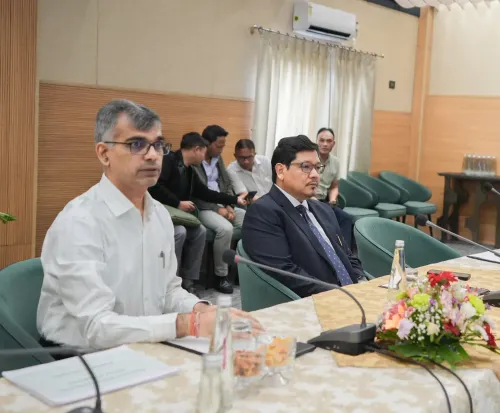
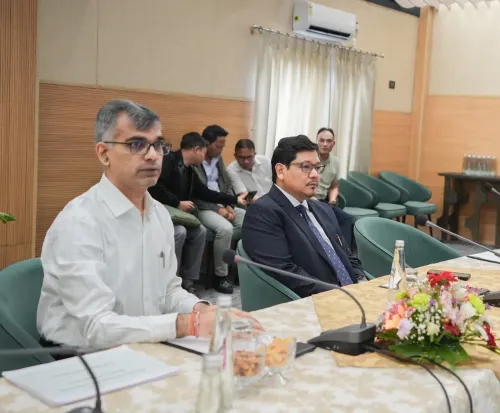
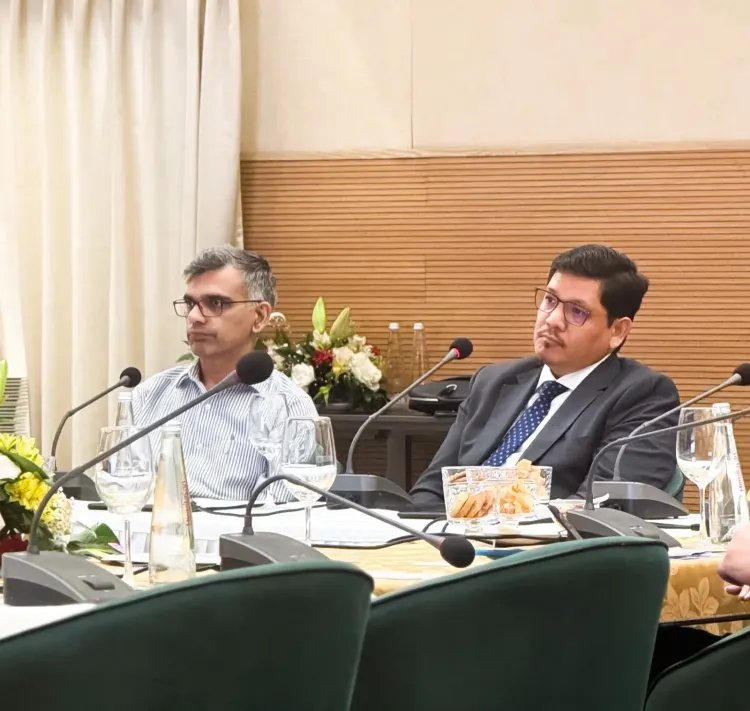
Meghalaya Chief Minister Conrad Sangma on Thursday, 16 July 2026, chaired a high-level review meeting with the state Power Department to assess progress across three major solar energy programmes — the CM Solar Mission, PM-KUSUM, and PM Surya Ghar — with a stated focus on expanding clean and affordable energy access across Meghalaya. The meeting also took stock of the financial health of the Meghalaya Energy Corporation Limited (MeECL) and deliberated on measures to strengthen the utility's long-term sustainability.
Context
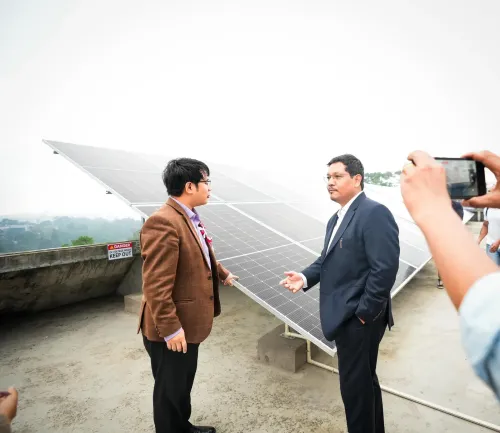
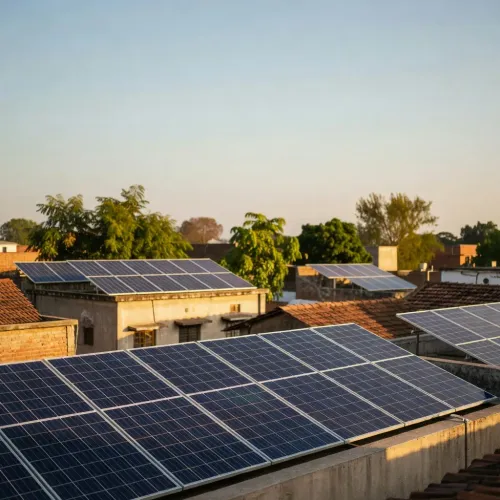
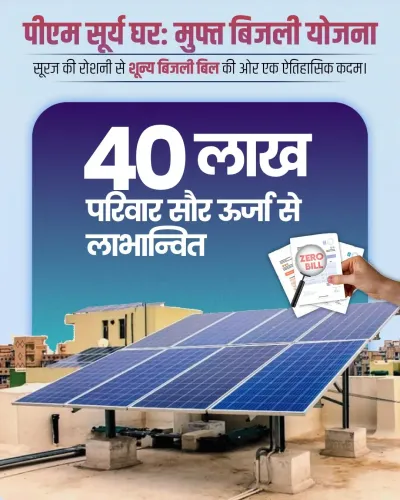
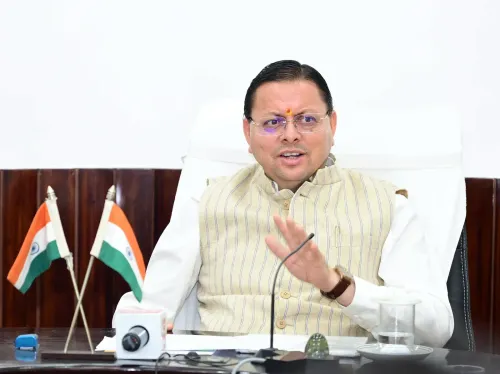
In his post on X, CM Sangma outlined that discussions centred on 'strategies to converge the efforts under PM Surya Ghar and the CM Solar Mission to maximise outreach, improve implementation efficiency, and accelerate the adoption of rooftop solar and other renewable energy initiatives.' He tagged Union Minister Manohar Lal Khattar, who holds the power and new and renewable energy portfolios at the Centre, signalling active central-state coordination on these programmes. The meeting was accompanied by four images shared by the Chief Minister.
The convergence push is significant for a hilly, remote state like Meghalaya, where last-mile delivery of energy services has historically been constrained by difficult terrain and high distribution losses. Bringing state and central schemes under a unified implementation framework is seen as a way to reduce duplication of effort and improve on-ground outcomes for households and farmers.
Policy Backdrop
PM-KUSUM (Pradhan Mantri Kisan Urja Suraksha evam Utthan Mahabhiyan) was launched by the central government in 2019 to solarise agricultural feeders and install standalone solar pumps for farmers. PM Surya Ghar Muft Bijli Yojana was announced in the 2024 Union Budget, targeting one crore household rooftop solar installations with subsidised access and free electricity units. The CM Solar Mission is Meghalaya's own state-level programme designed to complement these central initiatives by expanding solar access through rooftop and other renewable installations.
Meghalaya has been part of Ministry of New and Renewable Energy programmes since the 12th Five Year Plan period, aimed at scaling up solar capacity in the Northeast. These efforts feed into India's broader national target of 500 GW of non-fossil energy capacity by 2030, with Northeastern states playing an increasingly important role in the renewable transition.
Stakeholders and Impact
The review covered three key beneficiary groups: households seeking affordable electricity through rooftop solar, farmers who stand to benefit from solarised pumps and reduced input costs under PM-KUSUM, and the broader state power sector through a financially healthier MeECL. The meeting specifically deliberated on 'measures to strengthen the utility's financial sustainability while ensuring reliable power services for citizens,' according to Sangma's post.
MeECL is the state-owned corporation responsible for power generation, transmission, and distribution in Meghalaya. Financial stress among state power utilities — a pattern seen across India — has been a persistent challenge, with earlier central interventions such as the Ujwal DISCOM Assurance Yojana (UDAY), launched in 2015, aimed at improving operational and fiscal efficiency of such utilities. Strengthening MeECL's balance sheet is seen as essential to sustaining any large-scale renewable rollout in the state.
What's Next
CM Sangma stated that the government's 'focus remains on building a cleaner, more resilient, and financially sustainable power sector that supports households, farmers, and the long-term development of Meghalaya.' The tagging of Union Minister Khattar suggests follow-up coordination with the Centre on scheme convergence and resource allocation is likely. State-level convergence guidelines and budget outlays for 2026-27, along with progress reports on rooftop installations submitted to the Ministry of New and Renewable Energy, will be key indicators to watch.
As India races toward its 2030 non-fossil energy targets, the ability of Northeastern states like Meghalaya to effectively merge state missions with central schemes — while simultaneously stabilising their power utilities — will be a critical test of federal energy cooperation in challenging geographies.
Point of View
One state — and his direct tagging of Union Minister Khattar signals a deliberate effort to lock in federal support for Meghalaya's renewable push ahead of the 2026-27 budget cycle. The dual focus on scheme convergence and MeECL's finances reflects a wider national pattern: renewable expansion in remote states stalls when the underlying utility is financially fragile, making balance-sheet reform as urgent as rooftop installations. For the National People's Party, visible coordination with the Centre on a high-salience welfare scheme like PM Surya Ghar carries political dividends in a state where reliable electricity remains an aspirational issue. The move also positions Meghalaya as a proactive partner in India's 500 GW non-fossil target, potentially unlocking additional central allocations for the Northeast.
NationPress
16 Jul 2026
Frequently Asked Questions
What is the CM Solar Mission in Meghalaya?
The CM Solar Mission is a Meghalaya state government programme designed to expand solar energy access through rooftop and other renewable installations, complementing central schemes like PM Surya Ghar and PM-KUSUM.
What did Conrad Sangma review on 16 July 2026?
CM Conrad Sangma reviewed the progress of the CM Solar Mission, PM-KUSUM, and PM Surya Ghar with the state Power Department, and also assessed the financial health of MeECL, the state power utility.
What is PM Surya Ghar Muft Bijli Yojana?
PM Surya Ghar Muft Bijli Yojana is a central government scheme announced in the 2024 Union Budget that targets one crore household rooftop solar installations, providing subsidised access and free electricity units to beneficiaries.
What is MeECL and why is its financial health important?
MeECL, or Meghalaya Energy Corporation Limited, is the state-owned utility handling power generation, transmission, and distribution in Meghalaya. Its financial stability is critical to sustaining large-scale renewable energy rollouts and reliable power supply across the state.
How does PM-KUSUM benefit farmers in Meghalaya?
PM-KUSUM, launched in 2019, supports farmers by funding standalone solar pumps and solarising agricultural feeders, reducing dependence on grid electricity and lowering input costs for agricultural operations.