Meghalaya CM Conrad Sangma pushes integrated renewable energy plan for state
Synopsis
Meghalaya CM Conrad Sangma has signalled a strategic reset on clean energy — directing officials to craft an integrated renewable roadmap that addresses the state's unique terrain-driven cost barriers, aligns central and state solar schemes, and expands into battery storage, biomass, and micro-hydel options for remote communities.
Key Takeaways
Meghalaya CM Conrad K.
Sangma chaired a review of the PM Surya Ghar–Muft Bijli Yojana at the State Guest House, Shillong on 23 June .
The scheme offers households up to 300 units of free electricity monthly, with central assistance of up to ₹78,000 .
Officials cited higher installation costs due to difficult terrain and transportation as key barriers to consumer uptake in the state.
Sangma directed exploration of battery-backed solar , biomass , biogas , and micro-hydel solutions for rural and remote areas.
Rooftop solar expansion to government offices, schools, and anganwadi centres was also directed.
A coordinated state renewable energy roadmap is expected to be formulated in the coming weeks.
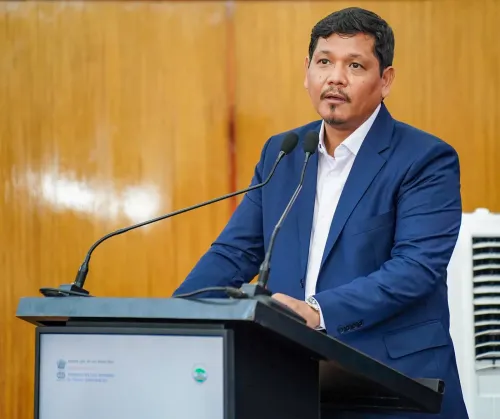
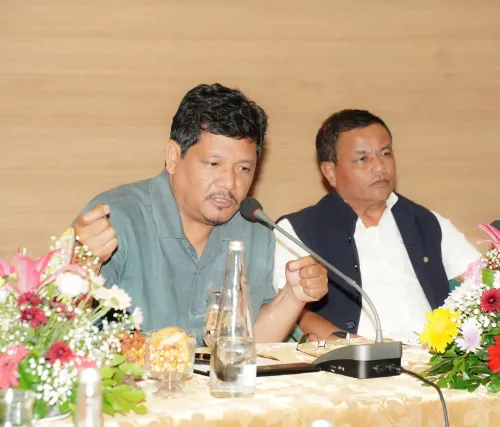
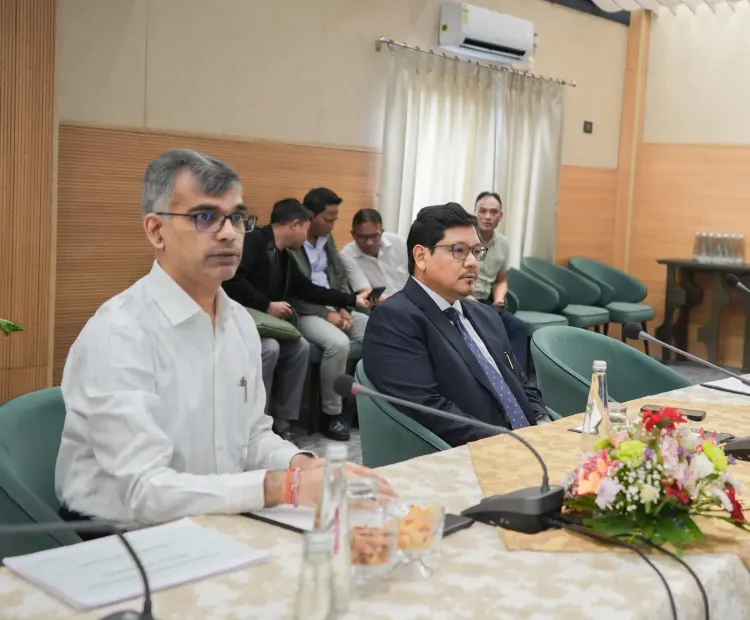
Meghalaya Chief Minister Conrad K. Sangma on Tuesday, 23 June called for a comprehensive, integrated renewable energy strategy for the state, directing officials to accelerate adoption of rooftop solar power while exploring clean energy alternatives suited to Meghalaya's challenging terrain. The directives came during a review meeting on the PM Surya Ghar–Muft Bijli Yojana held at the State Guest House in Shillong.
Key Directives from the Review Meeting
Chairing the session, Sangma instructed officials to prepare a comprehensive roadmap to boost renewable energy uptake, improve household participation, and scale up awareness campaigns across the state. He stressed the importance of aligning the central scheme with Meghalaya's own Chief Minister's Solar Mission, calling for a coordinated approach rather than parallel, siloed efforts.
The PM Surya Ghar–Muft Bijli Yojana offers households up to 300 units of free electricity per month through rooftop solar installations, backed by central financial assistance of up to ₹78,000 per household. Despite the scheme's promise, officials apprised the Chief Minister of persistent barriers to uptake in the state.
Challenges Unique to Meghalaya
Officials flagged several structural hurdles hampering consumer adoption. Higher installation costs — driven by transportation expenses to remote locations and difficult hilly terrain — have made rooftop solar less financially attractive compared to plains states. The relatively limited scale of deployment so far has also prevented the cost efficiencies that come with volume.
Sangma directed departments to address these barriers by reducing payback periods and enhancing consumer benefits, making the scheme more accessible to ordinary households. He also called for expanding rooftop solar installations to government offices, schools, anganwadi centres, and other public institutions by leveraging available central assistance.
Battery Storage and Decentralised Energy Options
Highlighting the role of energy storage in improving reliability, the Chief Minister advocated exploring battery-backed solar solutions to help households maximise returns from rooftop systems — particularly in areas prone to grid instability. He further urged officials to examine decentralised renewable energy options including biomass, biogas, micro-hydel projects, and solar-powered community infrastructure, with a focus on rural and remote areas where grid connectivity remains limited.
This comes amid a broader national push to scale up clean energy, with the Centre targeting 500 GW of renewable capacity by 2030. Meghalaya, endowed with significant water resources and solar potential in its plateau regions, has been a slower mover compared to larger states — making Tuesday's review a signal of renewed political intent.
Awareness and Youth Engagement
Beyond infrastructure, Sangma called for greater public awareness and suggested involving educational institutions and youth groups in campaigns promoting renewable energy and energy conservation. The move reflects a recognition that consumer behaviour — not just policy — is a critical bottleneck in scheme uptake.
What Comes Next
The meeting concluded with directions to formulate a coordinated state strategy aimed at reducing electricity costs, promoting clean energy adoption, and strengthening Meghalaya's long-term energy security. A formal roadmap is expected to be prepared by departments in the coming weeks, with implementation timelines yet to be announced.
Point of View
And its cost structures show it. Until central financial assistance accounts for the logistics premium of hilly, remote states, uptake in the Northeast will lag regardless of political intent. Sangma's call for battery storage and micro-hydel diversification is the right instinct, but without a state-specific cost-subsidy framework, these remain aspirational directions rather than actionable plans. The real test will be whether the roadmap mandated at Tuesday's meeting produces verifiable targets — or joins a shelf of well-intentioned energy documents that did not move the meter.
NationPress
22 Sept 2026
Frequently Asked Questions
What is the PM Surya Ghar–Muft Bijli Yojana and how does it apply to Meghalaya?
The PM Surya Ghar–Muft Bijli Yojana is a central government scheme that provides households up to 300 units of free electricity per month through rooftop solar installations, backed by financial assistance of up to ₹78,000 per household. Meghalaya is working to accelerate its implementation, though higher costs due to difficult terrain and transportation have slowed consumer uptake in the state.
Why is rooftop solar adoption slower in Meghalaya than in other states?
Officials have cited higher installation costs driven by transportation expenses to remote locations and Meghalaya's hilly terrain as the primary barriers. The limited scale of deployment so far has also prevented the cost efficiencies seen in larger, plains-based states.
What clean energy alternatives did CM Sangma suggest for rural Meghalaya?
CM Conrad Sangma directed officials to explore decentralised options including biomass, biogas, micro-hydel projects, and solar-powered community infrastructure, particularly for rural and remote areas with limited grid connectivity.
How does the CM's Solar Mission relate to the PM Surya Ghar scheme?
The Chief Minister's Solar Mission is Meghalaya's own state-level renewable energy initiative. CM Sangma stressed the need to align it with the central PM Surya Ghar scheme to create a coordinated strategy rather than running parallel programmes with separate targets and resources.
What are the next steps following the Shillong review meeting?
Departments have been directed to formulate a comprehensive renewable energy roadmap covering consumer awareness, cost reduction, battery storage, and expansion to public institutions. Formal timelines for the roadmap have not yet been announced.