CM Dhami: 2.65 Lakh Women Benefit from Lakhpati Didi in Uttarakhand
Synopsis
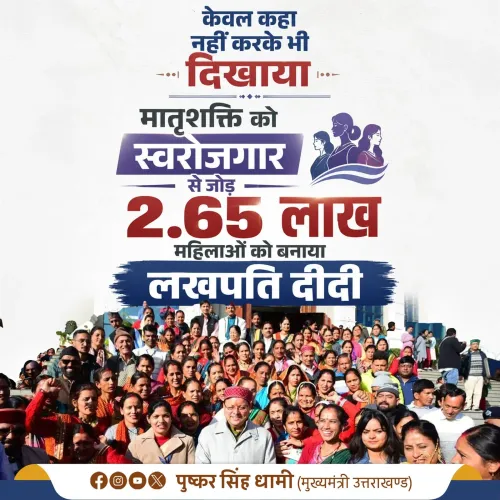
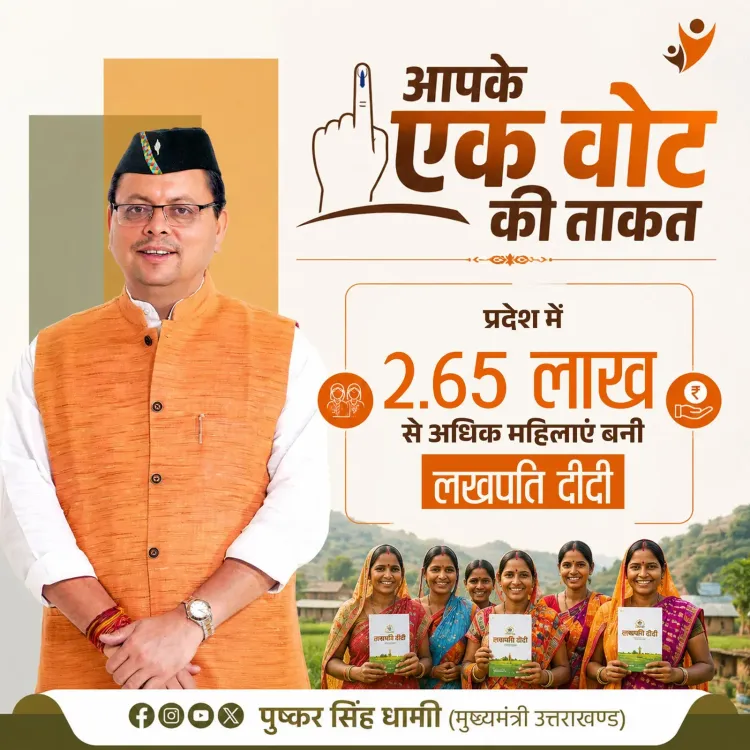
Uttarakhand CM Pushkar Singh Dhami announced on June 12, 2026 that over 2.65 lakh women have benefited from the Lakhpati Didi Yojana in the state, saying the scheme has delivered economic self-reliance, social respect, and a new identity to rural women.
Key Takeaways
CM Pushkar Singh Dhami stated on June 12, 2026 that more than 2.65 lakh women in Uttarakhand have benefited from the Lakhpati Didi Yojana .
The scheme targets raising enrolled women's annual household income to at least Rs 1 lakh through self-help group linked micro-enterprises.
The Lakhpati Didi initiative operates under the central DAY-NRLM framework, launched in 2011 and scaled nationally from 2023 with a target of two crore beneficiaries.
CM Dhami credited the scheme with providing women not only income but also social respect, confidence, and a new identity within their communities.
Women's increased participation is being positioned by the state government as a contributor to Uttarakhand's overall development.
Future scrutiny will focus on expanded coverage targets, especially in Uttarakhand's remote hill districts.
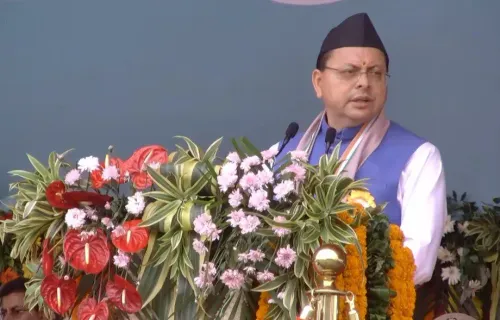
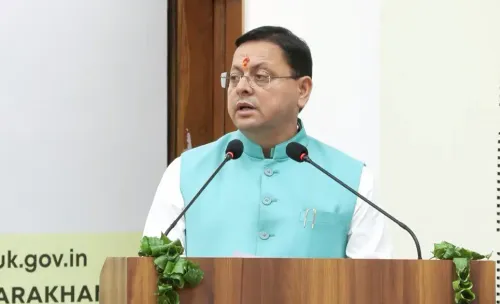
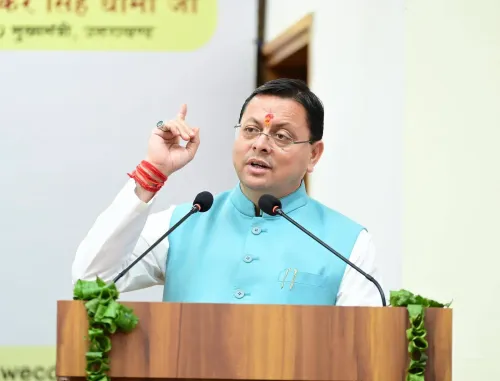
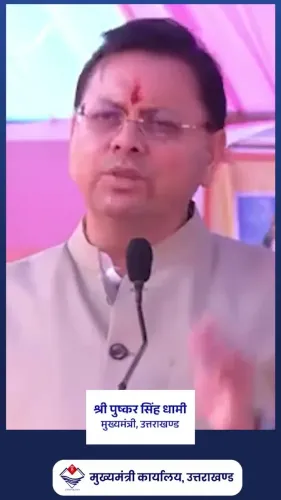
Uttarakhand Chief Minister Pushkar Singh Dhami on Friday, June 12, 2026, said that more than 2.65 lakh women in the state have benefited from the Lakhpati Didi Yojana, crediting the scheme with delivering economic independence and social recognition to rural women across Uttarakhand.
Context
Posting in Hindi on X, CM Dhami stated, 'Lakhpati Didi Yojana ke madhyam se aaj Pradesh ki 2.65 lakh se adhik bahnen labhanvit hui hain' ('Through the Lakhpati Didi Yojana, more than 2.65 lakh sisters in the state have been benefited today'). He added that the scheme has made women not only economically self-reliant but has also provided them 'respect, confidence, and a new identity in society.'
The Chief Minister framed women's growing participation as a driver of Uttarakhand's overall development, reaffirming his government's commitment to the 'upliftment and all-round development of matrishakti' — a term commonly used in political discourse to refer to the collective strength of women.
Policy Backdrop
The Lakhpati Didi Yojana is rooted in the Deendayal Antyodaya Yojana–National Rural Livelihoods Mission (DAY-NRLM), a central government programme launched in 2011 to organise rural poor women into self-help groups (SHGs) and provide them with sustainable livelihood pathways. The scheme's specific 'Lakhpati Didi' component targets raising each enrolled woman's annual household income to at least Rs 1 lakh through micro-enterprise and skill-linked activities.
In 2023, the Union government set a national target of creating two crore Lakhpati Didis by scaling SHG-linked enterprises under NRLM across states. Uttarakhand, a Himalayan state with a significant rural and hill-district population, has been among the states implementing the framework at the grassroots level under CM Dhami's BJP government, which has been in office since 2021.
Stakeholders and Impact
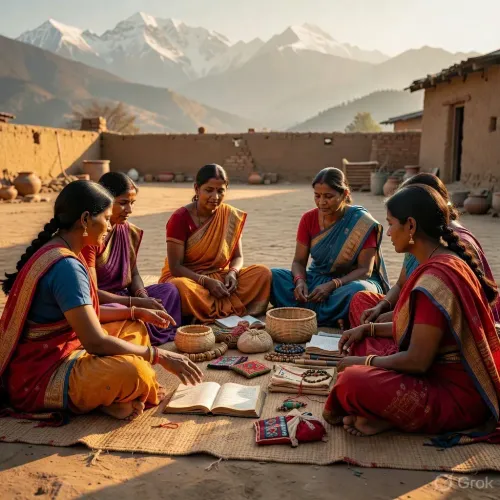
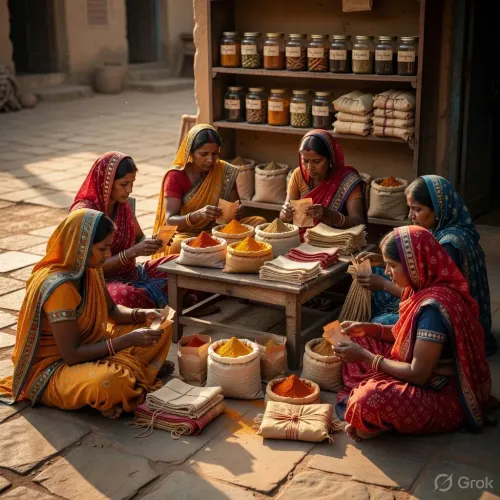
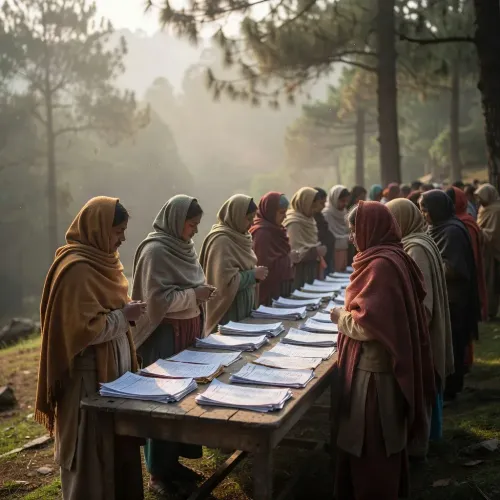
The primary beneficiaries are rural women enrolled in self-help groups across Uttarakhand's districts, including remote hill areas where formal employment opportunities are limited. For these women, SHG-linked income generation — spanning handicrafts, agriculture-processing, and small trade — represents a meaningful shift in economic agency.
Beyond individual households, the scheme feeds into broader state development indicators: female labour force participation, poverty reduction, and social mobility. CM Dhami specifically highlighted that the programme has enhanced women's standing within their communities, pointing to dignity and confidence as outcomes alongside income gains.
What's Next
Attention will now turn to whether the state's upcoming budget exercises or legislative sessions include revised or expanded targets for Lakhpati Didi coverage, particularly in underserved hill districts of Uttarakhand. The pace at which new beneficiaries are added, and the mechanisms used to verify income thresholds, will determine how robustly the scheme's headline numbers translate into lasting economic change for rural women in the state.
Point of View
If sustained through independent verification, would represent a meaningful share of the state's rural women population and signal genuine programme penetration in a difficult hill terrain. The emphasis on dignity and social recognition alongside income is notable: it broadens the scheme's political narrative beyond a simple cash-transfer frame toward a more aspirational women's empowerment story. With assembly sessions and budget cycles ahead, these beneficiary numbers are likely to anchor further policy announcements on SHG expansion in Uttarakhand.
NationPress
25 Sept 2026
Frequently Asked Questions
What is the Lakhpati Didi Yojana?
The Lakhpati Didi Yojana is a component of the central government's DAY-NRLM programme that aims to help rural women enrolled in self-help groups earn an annual household income of at least Rs 1 lakh through skill development and micro-enterprise activities.
How many women have benefited from Lakhpati Didi in Uttarakhand?
According to CM Pushkar Singh Dhami's statement on June 12, 2026, more than 2.65 lakh women in Uttarakhand have benefited from the Lakhpati Didi Yojana.
What is DAY-NRLM and how does it relate to Lakhpati Didi?
DAY-NRLM, or the Deendayal Antyodaya Yojana–National Rural Livelihoods Mission, was launched by the central government in 2011 to organise rural poor women into self-help groups. The Lakhpati Didi scheme is built on this framework, with the Union government setting a national target of two crore Lakhpati Didis from 2023 onward.
What has Pushkar Singh Dhami said about women empowerment in Uttarakhand?
CM Dhami has stated that his government has worked continuously to make the 'matrishakti' — the women of the state — self-reliant and economically empowered, and that the Lakhpati Didi Yojana has given women economic independence, social respect, confidence, and a new identity.
What is the national target for Lakhpati Didi beneficiaries?
The Union government set a national target of creating two crore Lakhpati Didis by scaling self-help group enterprises under NRLM across states, including Uttarakhand, from 2023 onward.