CM Dhami: 3 New Nursing Colleges, AIIMS Satellite Centre in Kichha
Synopsis
Uttarakhand CM Pushkar Singh Dhami announced three new government nursing colleges opened in five years, an AIIMS satellite centre under construction in Kichha, and an active drive to fill medical education department vacancies, signalling a structural push to expand healthcare access across the state.
Key Takeaways
Three new government nursing colleges have been opened in Uttarakhand over the past five years to increase healthcare workforce capacity.
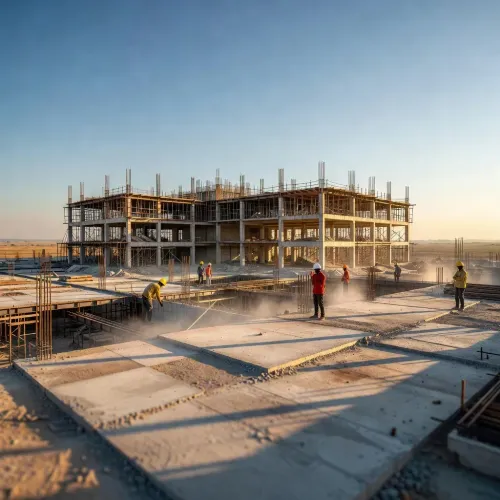
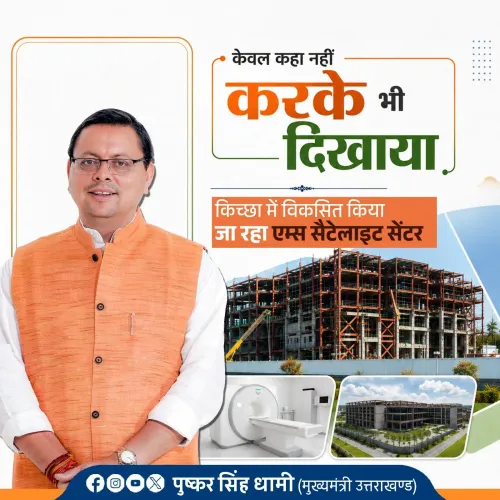
Construction of an AIIMS satellite centre in Kichha , Udham Singh Nagar district, is currently underway to extend specialist care to the Terai region.
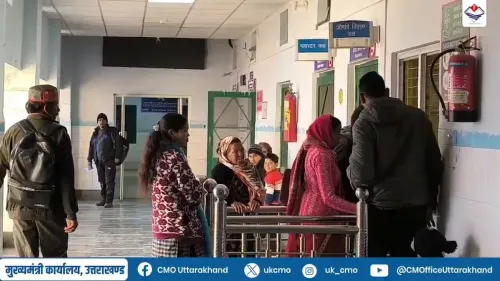
The process of filling vacant posts in the medical education department is actively ongoing, critical for operationalising new facilities.
AIIMS Rishikesh , established in 2012, remains the state's primary central medical institute; the Kichha centre aims to decentralise its reach.
CM Dhami's update covers all three pillars: infrastructure expansion, modern medical facility development, and health education quality improvement.
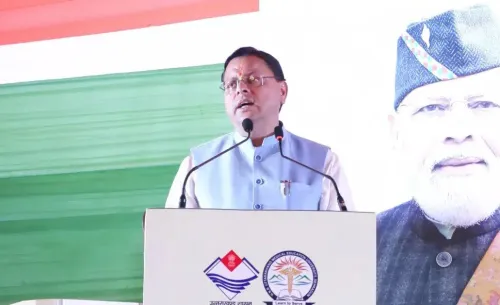
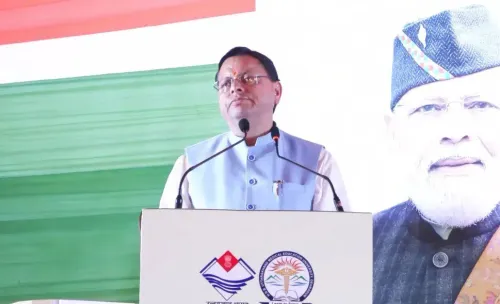
Uttarakhand is quietly reshaping its medical landscape — and Chief Minister Pushkar Singh Dhami wants the state to know how far that work has come. On Monday, 19 October 2026, Dhami posted a detailed health-sector update on X, outlining a three-pronged push: expanding health infrastructure, upgrading modern medical facilities, and improving the quality of medical education across the state.
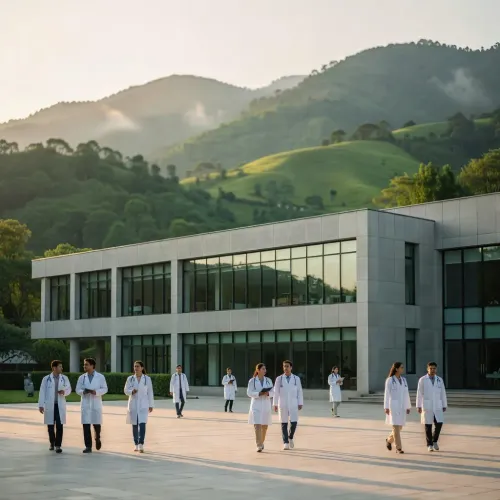
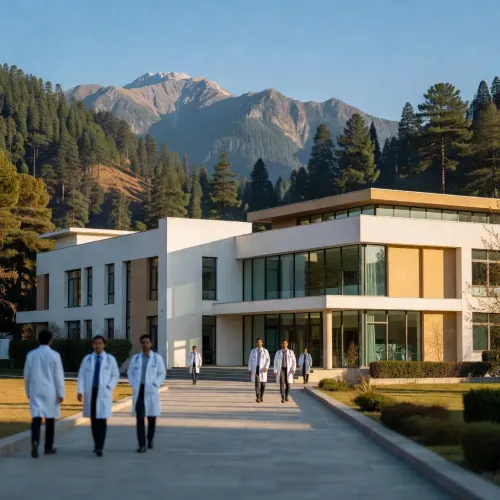
Dhami wrote that 'special attention is being given to strengthening health services in the state through expansion of health infrastructure, development of modern medical facilities, and improvement in the quality of health education.' The post, accompanied by four images, landed as a signal that Uttarakhand's healthcare ambitions are moving from intent to execution.
Three New Nursing Colleges in Five Years
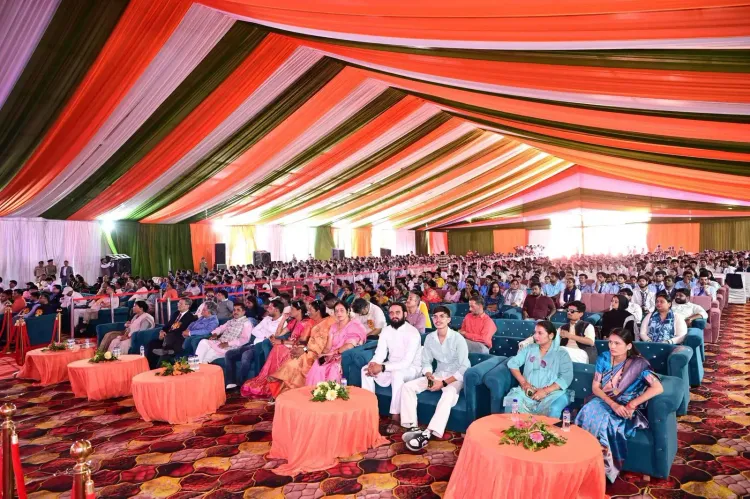
The headline number in Dhami's update: three new government nursing colleges opened in Uttarakhand over the past five years. For a Himalayan state where dispersed populations and difficult terrain have long complicated healthcare delivery, new nursing institutions directly address a chronic shortage of trained frontline health workers. Each additional college expands seat availability and, over time, builds a local cadre of nurses who are more likely to serve communities they grew up near.
AIIMS Satellite Centre at Kichha Moves Forward
Perhaps the bigger structural development is the construction progress on an AIIMS satellite centre in Kichha, a town in Udham Singh Nagar district. The main AIIMS Rishikesh — established in 2012 as Uttarakhand's first central-government medical institute — handles tertiary care for a vast catchment, but its single-campus model leaves the state's Terai region underserved. A satellite centre at Kichha would push specialist-level care closer to that population. Dhami confirmed the construction work is 'moving forward,' though no completion timeline was specified in the post.
The Kichha project is part of a broader strategy to decentralise services beyond Rishikesh — the kind of incremental geographic expansion that Himalayan-state healthcare planners have argued for over decades.
Filling Vacancies in Medical Education
Dhami also flagged that the process of filling vacant posts in the medical education department is 'in motion' — gatiман hai (moving forward). Vacancy-filling sounds bureaucratic, but in healthcare it is the difference between a hospital that functions and one that doesn't. New colleges and satellite centres are only as effective as the staff who run them; an accelerated recruitment drive is the operational backbone of every other announcement in this update.
Across Indian states, unfilled posts in public health departments remain one of the most stubborn drags on healthcare delivery. Dhami's explicit mention of the recruitment process signals an awareness that building walls is not enough — filling chairs matters just as much.
For a state that has historically punched below its weight in public health outcomes relative to its demographic size, the combination of new institutions, a flagship expansion project, and active recruitment represents a tangible — if still incomplete — shift in direction. The real test will come when Kichha's satellite centre opens its doors.
Point of View
Countable outputs (three colleges, one satellite centre) alongside a process commitment (vacancy-filling) to signal both ambition and follow-through. The AIIMS satellite centre at Kichha is politically significant: Udham Singh Nagar is a densely populated Terai district whose voter base differs sharply from the hill constituencies, and specialist healthcare access there addresses a long-standing regional equity gap. The nursing college expansion also quietly advances a workforce-localisation strategy — training health workers closer to home tends to improve rural retention rates. Whether construction timelines and recruitment targets are met will determine whether this becomes a governance success story or a familiar promise deferred.
NationPress
19 Oct 2026
Frequently Asked Questions
Which new nursing colleges has Uttarakhand opened in the last five years?
Uttarakhand has opened three new government nursing colleges over the past five years, according to CM Pushkar Singh Dhami's statement. The exact names and locations of these colleges have not been officially specified in the post.
Where is the AIIMS satellite centre being built in Uttarakhand?
The AIIMS satellite centre is under construction in Kichha, a town in Udham Singh Nagar district of Uttarakhand, intended to extend advanced medical services to the Terai region beyond the main AIIMS Rishikesh campus.
When was AIIMS Rishikesh established?
AIIMS Rishikesh was established in 2012 as the first major central government medical institution in Uttarakhand, providing tertiary healthcare for the state and surrounding areas.
What is Uttarakhand doing to fill vacant posts in the health department?
CM Dhami stated that the process of filling vacant posts in the medical education department is actively underway, a step considered essential for operationalising newly built health facilities across the state.
Why is healthcare infrastructure development challenging in Uttarakhand?
Uttarakhand's Himalayan geography means populations are widely dispersed across difficult terrain, making centralised healthcare delivery inadequate. The state has pursued satellite centres and new colleges to decentralise services and improve access for remote and Terai communities.