CM Dhami: 34,000+ Uttarakhand youth got govt jobs on merit
Synopsis
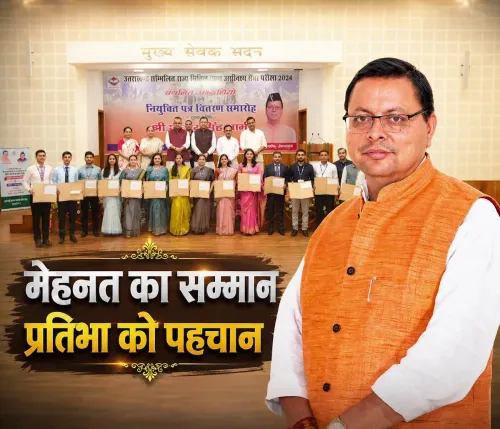
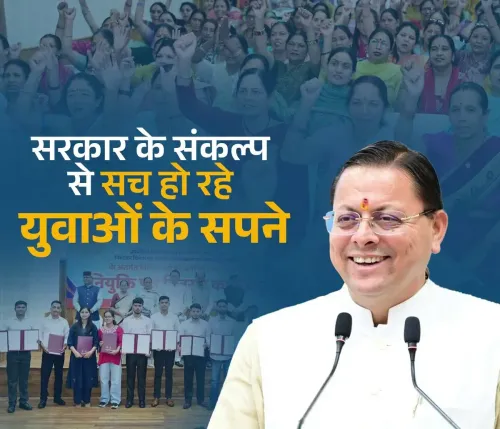
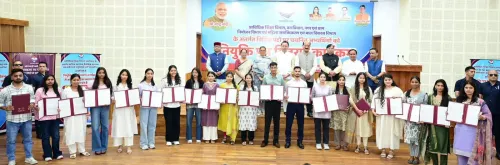
Chief Minister Pushkar Singh Dhami has declared that more than 34,000 young people in Uttarakhand have secured government jobs on pure merit — no recommendations, no discrimination. The claim, shared by the official CMO handle on 22 July 2026, frames transparent recruitment as a flagship governance achievement of his administration.
Key Takeaways
Over 34,000 young people in Uttarakhand have been given government jobs without recommendation or discrimination, according to CM Pushkar Singh Dhami on 22 July 2026 .
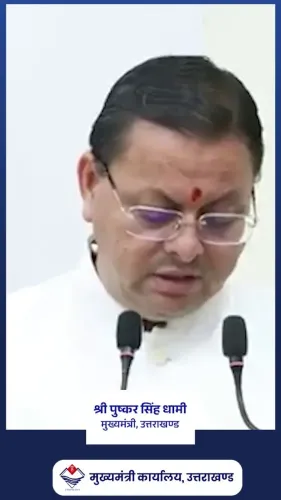
The statement was shared by the official Chief Minister's Office of Uttarakhand on X, with a video of the CM's address.
The Uttarakhand government has run computer-based, interview-free recruitment drives since 2022 through UKPSC and UKSSSC to reduce favouritism.
The push follows earlier controversy around a paper-leak at UKSSSC , making transparent hiring a deliberate institutional reform priority.
The 34,000-plus figure is being positioned as a flagship governance metric, likely to anchor future political messaging on youth employment.
Next milestones to watch: upcoming recruitment calendars from UKPSC and UKSSSC , and independent verification of the appointments figure.
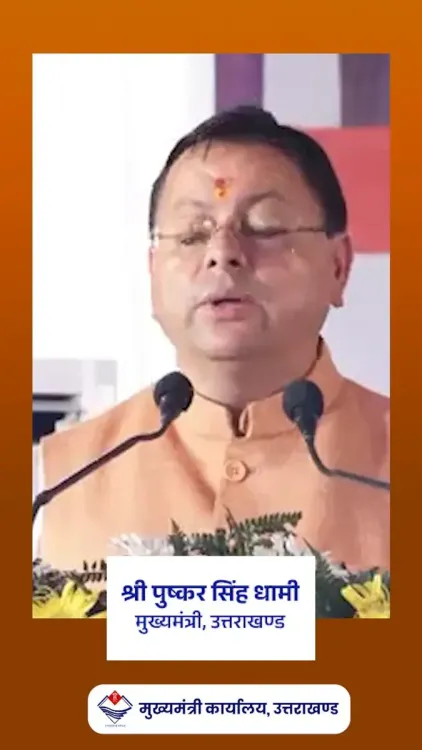
Dehradun, 22 July 2026 — The Chief Minister's Office of Uttarakhand on Wednesday quoted Chief Minister Pushkar Singh Dhami as saying that more than 34,000 young people have received government jobs in the state without any recommendation or discrimination.
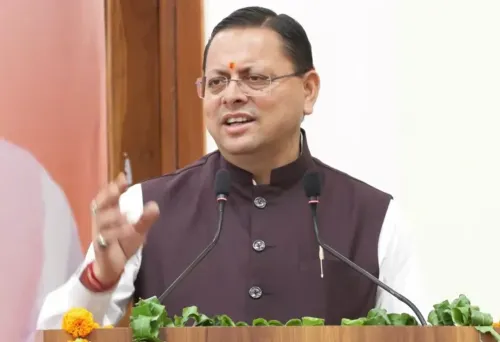
Addressing what appears to be a public event, CM Dhami stated — '34 hazar se adhik yuvaon ko sarkari naukri bina kisi sifarish, bina kisi bhedbhav ke mili hai' — ('More than 34,000 youth have received government jobs without any recommendation, without any discrimination'). The statement was shared by the official Chief Minister's Office handle on X, accompanied by a video.
Context
Pushkar Singh Dhami has served as Chief Minister of Uttarakhand since 2021 and was re-elected in 2022. A core plank of his administration has been transparent, merit-based public recruitment — a response to long-standing grievances about favouritism in sarkari naukri (government job) allocation in the hill state.
Uttarakhand has historically struggled with high youth out-migration, driven partly by limited local employment. Government jobs are seen as stable, pensionable livelihoods, making recruitment integrity a politically sensitive issue.
Policy Backdrop
From 2022 onward, the Uttarakhand government rolled out computer-based, interview-free recruitment processes for a large category of posts to minimise scope for manipulation. The Uttarakhand Public Service Commission (UKPSC) and the Uttarakhand Subordinate Service Selection Commission (UKSSSC) have been the primary bodies driving these drives, targeting vacancies across education, police, health, and administrative departments.
The UKSSSC had faced scrutiny in earlier years over a paper-leak controversy, making the subsequent emphasis on clean, technology-backed processes a deliberate institutional repair effort. The claim of 34,000-plus appointments represents the cumulative output the government is now projecting as a governance milestone.
Stakeholders and Impact
The primary beneficiaries are young job-seekers across Uttarakhand's thirteen districts, including aspirants from remote hill constituencies who have historically been disadvantaged by informal networks in recruitment. Families of government employees and coaching institutes catering to competitive exam preparation are also closely watching the pace of vacancy-filling.
The broader political significance lies in countering a persistent opposition narrative that public jobs in the state are distributed through patronage. By quantifying appointments at over 34,000, the Chief Minister's Office is presenting a verifiable metric — one that the government will likely anchor future electoral messaging around.
What's Next
Attention will now turn to the upcoming recruitment calendars of UKPSC and UKSSSC and whether the state budget includes a mid-term review of remaining vacancy targets. Observers will also watch for independent verification of the 34,000-plus figure through official gazette notifications and commission reports.
If the pace of transparent hiring is sustained, Uttarakhand could emerge as a reference model for other BJP-governed hill and smaller states seeking to demonstrate governance reform ahead of future assembly cycles.
Point of View
000-plus' figure is a calculated governance narrative, converting bureaucratic outputs into political capital ahead of future electoral cycles. The emphasis on 'no recommendation, no discrimination' directly addresses the UKSSSC paper-leak shadow that dogged the state's recruitment machinery in earlier years. It also fits a wider BJP pattern of quantifying merit-based hiring as a counter to opposition charges of patronage governance. The credibility of the claim will ultimately rest on independent verification through commission data — and that scrutiny is now inevitable.
NationPress
22 Jul 2026
Frequently Asked Questions
How many government jobs has the Uttarakhand government given to youth?
Chief Minister Pushkar Singh Dhami stated on 22 July 2026 that more than 34,000 young people have received government jobs in Uttarakhand without any recommendation or discrimination.
Is recruitment in Uttarakhand done without interviews?
From 2022 onward, the Uttarakhand government introduced computer-based, interview-free recruitment for a large category of posts to reduce scope for favouritism, conducted through UKPSC and UKSSSC.
What is UKSSSC and its role in Uttarakhand hiring?
The Uttarakhand Subordinate Service Selection Commission (UKSSSC) is the state body responsible for recruiting candidates to subordinate government posts. It has been central to the state's recent transparent hiring drives.
Who is Pushkar Singh Dhami?
Pushkar Singh Dhami is the Chief Minister of Uttarakhand, in office since 2021 and re-elected in 2022, with a stated focus on merit-based governance and youth employment.
Why is merit-based recruitment important in Uttarakhand?
Uttarakhand faces high youth out-migration due to limited local employment. Government jobs are highly valued, making fair recruitment a major public concern and a key political issue in the state.