CM Dhami: 35,000+ govt jobs given in 5 yrs via anti-cheat law
Synopsis
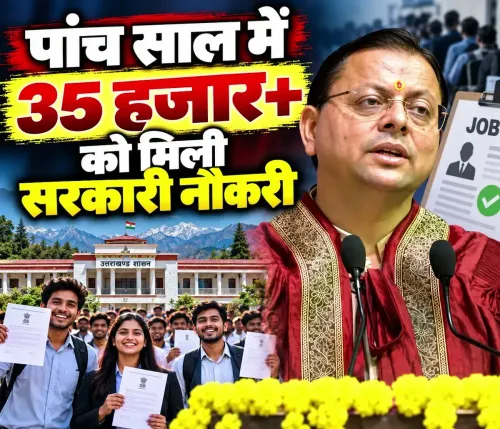
Chief Minister Pushkar Singh Dhami says Uttarakhand's strict anti-cheating legislation has brought transparency to public recruitment, enabling the state government to deliver more than 35,000 government jobs to youth over the past five years.
Key Takeaways
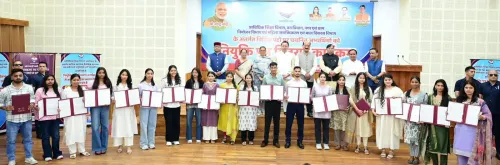
CM Pushkar Singh Dhami announced on 29 October 2026 that over 35,000 government jobs have been given to youth in Uttarakhand in the past five years.
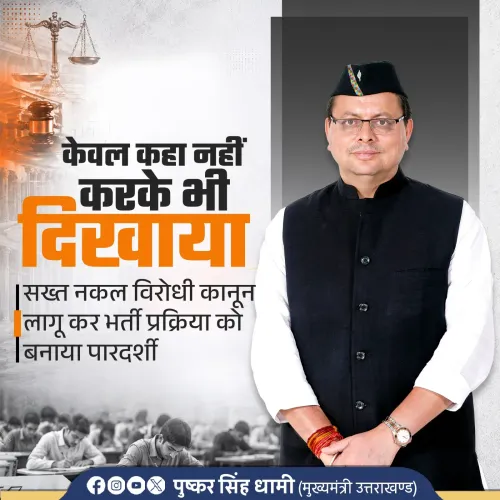
The government credits the Uttarakhand Public Examination (Prevention of Unfair Means) Act, 2023 for bringing transparency to the state's recruitment process.
The 2023 law imposed stringent penalties for paper leaks, impersonation, and cheating in public competitive examinations.
Uttarakhand is among several Indian states that have enacted anti-cheating statutes after repeated question-paper leak scandals.
Future recruitment activity by the Uttarakhand Public Service Commission and potential court challenges to the 2023 law remain key developments to watch.
A five-year report card on Uttarakhand's recruitment overhaul landed on Thursday — and Chief Minister Pushkar Singh Dhami put a number to it: more than 35,000 government jobs delivered to young applicants since his administration tightened the integrity of the hiring process through a strict anti-cheating law.
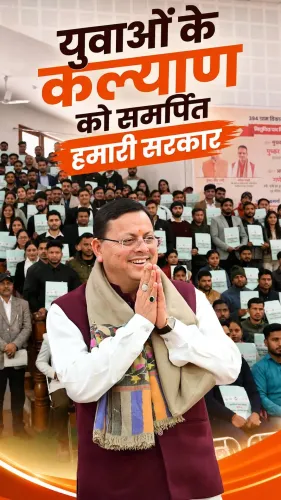
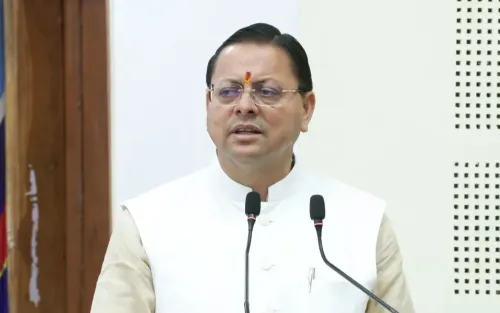
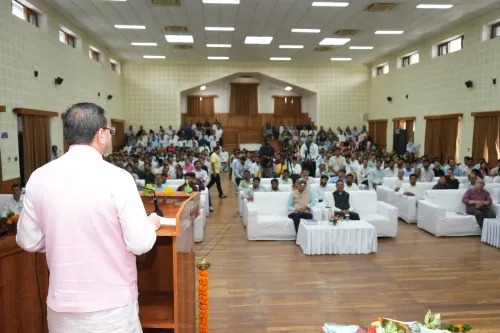
Dhami's statement, shared by the Chief Minister's Office of Uttarakhand on 29 October 2026, reads: 'Hamari sarkar yuvaon ke bhavishy ko surakshit banane ke liye pratibaddh hai.' ('Our government is committed to securing the future of youth.') He credited a tough anti-copying statute for bringing transparency to the recruitment process and enabling the large-scale hiring over the past five years.
The 2023 law that changed the recruitment game
The foundation of this claim is the Uttarakhand Public Examination (Prevention of Unfair Means) Act, 2023, passed by the state assembly to impose stringent penalties for paper leaks, impersonation, and cheating in competitive exams for public posts. Before the law, Uttarakhand — like several other states — faced repeated exam cancellations, court stays, and public outrage over compromised recruitment processes that left thousands of aspirants in legal limbo.
The legislation signalled a structural shift: instead of cancelling contaminated exams after the fact and promising do-overs, the state built deterrence into the front end. Strong penal provisions were meant to make the cost of cheating prohibitive for syndicates that had made a cottage industry of question-paper leaks.
A national pattern Uttarakhand is betting on
Uttarakhand is not alone in this approach. Across India, multiple state governments have rushed similar anti-cheating statutes onto the books after high-profile recruitment scandals eroded public trust in competitive examinations. The broader context is a jobs market where millions of educated youth compete fiercely for a limited number of government posts — and where a single leaked paper can invalidate years of preparation for lakhs of candidates.
For Chief Minister Dhami — who has led the BJP government in Uttarakhand since 2021 — the recruitment transparency push is a politically significant plank heading into future electoral cycles. Delivering government jobs to hill-state youth, who often face limited private-sector opportunities, carries particular resonance in a state defined by out-migration.
The Uttarakhand Public Service Commission and subordinate recruitment boards remain the primary vehicles for translating the law's deterrence into actual appointments. Whether those institutions have the capacity to sustain that pace — and whether any legal challenges to the 2023 law's provisions emerge before Uttarakhand's High Court — will determine how durable this hiring momentum proves to be.
Thirty-five thousand jobs in five years is the number the government wants on the record. The harder question is whether the pipeline holds.
Point of View
Paper-leak scandals have become potent electoral liabilities, and anti-cheating legislation doubles as both a structural fix and a political shield. For Uttarakhand specifically, where private-sector opportunities in the hills remain limited, government jobs carry outsized social weight, making this a high-return investment in voter confidence. The unresolved question is whether institutional capacity within recruitment bodies can sustain the pace once the deterrence effect of the 2023 law is stress-tested at scale.
NationPress
29 Oct 2026
Frequently Asked Questions
How many government jobs has Uttarakhand given in the last 5 years?
Chief Minister Pushkar Singh Dhami stated that more than 35,000 government jobs have been provided to youth in Uttarakhand over the past five years, citing recruitment reforms under the state's anti-cheating law.
What is the Uttarakhand anti-cheating law?
The Uttarakhand Public Examination (Prevention of Unfair Means) Act, 2023, enacted by the state assembly, imposes strict penalties for paper leaks, impersonation, and other forms of cheating in public recruitment examinations.
When was Uttarakhand's anti-cheating law passed?
The Uttarakhand Public Examination (Prevention of Unfair Means) Act was passed by the state assembly in 2023 .
Who is the Chief Minister of Uttarakhand in 2026?
Pushkar Singh Dhami is the Chief Minister of Uttarakhand. He has been heading the BJP-led state government since 2021.
Why are Indian states passing anti-cheating laws for exams?
Multiple Indian states have enacted anti-cheating statutes following repeated question-paper leak scandals that undermined public trust in competitive exams for government jobs, leaving millions of aspirants in legal uncertainty.