CM Dhami accuses Congress of siding with anti-development forces
Synopsis
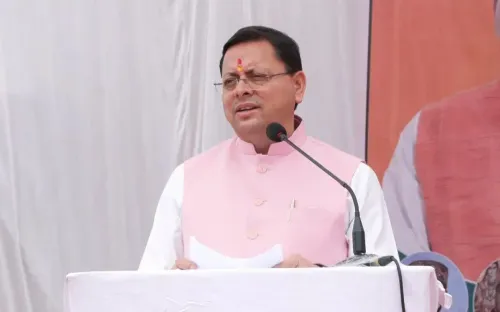
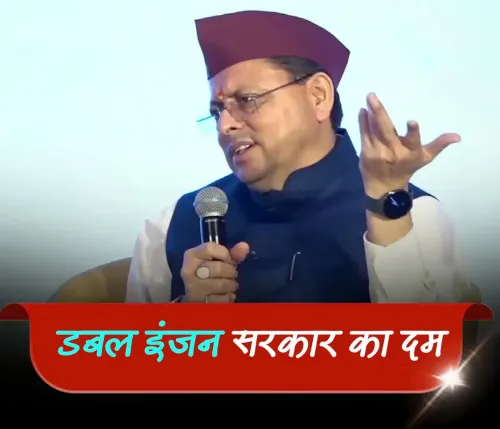
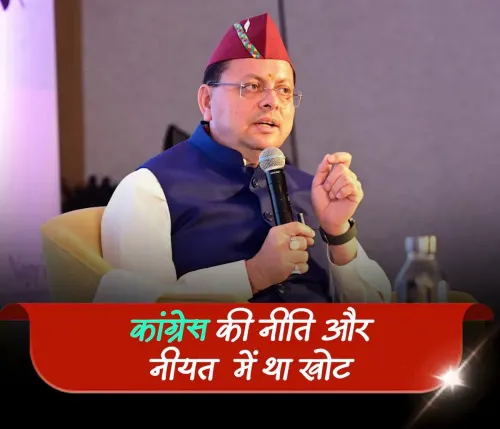
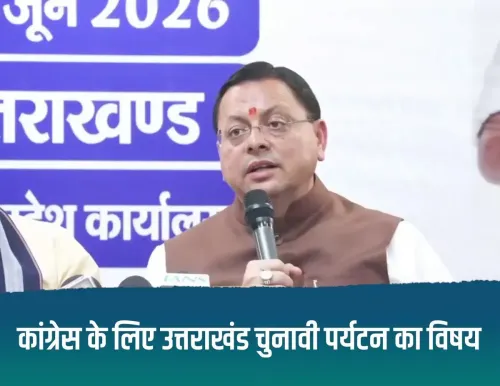
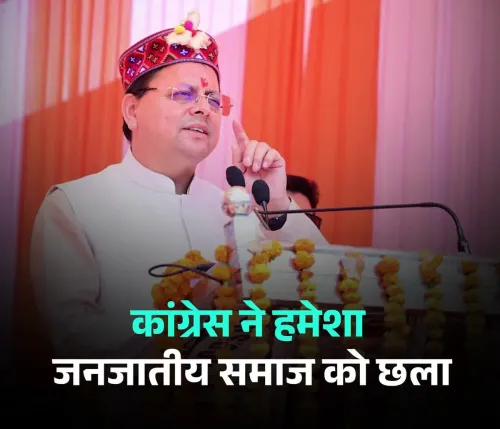
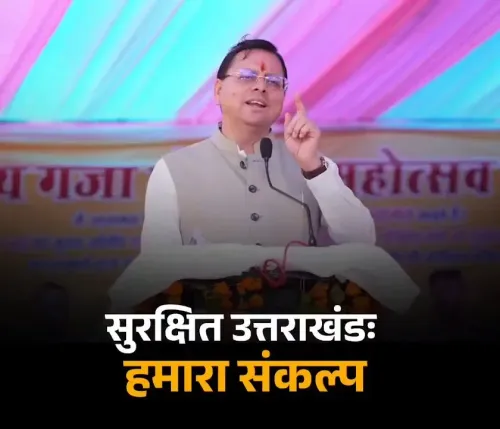
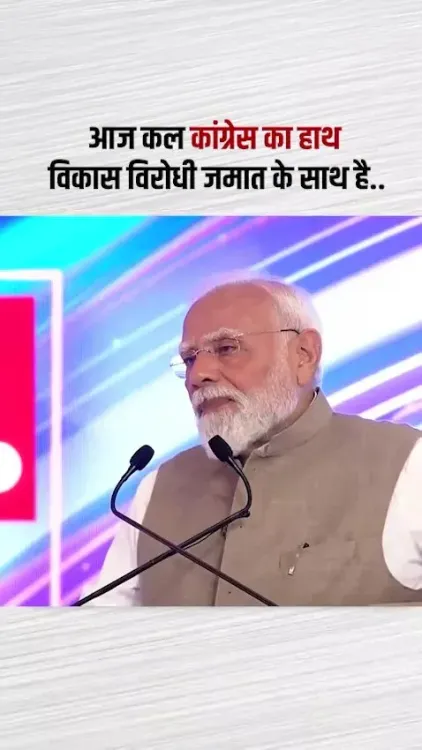
Uttarakhand Chief Minister Pushkar Singh Dhami on 23 June 2026 accused Congress of siding with anti-development interests, inverting the party's own campaign slogan in a pointed Hindi post on X that underscores the BJP's core political messaging in the hill state.
Key Takeaways
CM Pushkar Singh Dhami posted on X on 23 June 2026 accusing Congress of aligning with anti-development forces.
The Hindi phrase 'Kांग्रेस का हाथ विकास विरोधियों के साथ' deliberately inverts Congress's own campaign slogan.
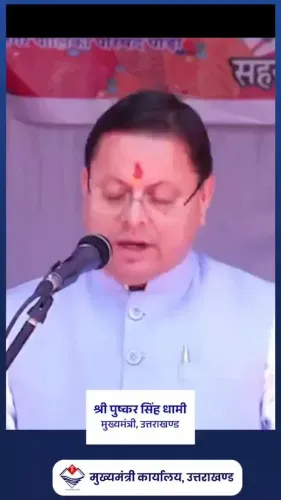
The post included a video , suggesting it may be linked to a specific event or project development.
The BJP government has prioritised Char Dham road widening and tourism infrastructure since its 2022 election victory .
Congress has previously raised environmental and procedural objections to large infrastructure projects in Uttarakhand .
The rhetoric is part of a wider BJP pattern of framing opposition criticism as obstruction of development in hill states.
Uttarakhand Chief Minister Pushkar Singh Dhami on Tuesday, 23 June 2026, launched a sharp political attack on the Indian National Congress, accusing the opposition party of aligning itself with forces that oppose development in the state. The remark, posted on X, distilled the BJP's standing critique of Congress into a single pointed phrase.
Context
The post, written in Hindi, reads: 'Kांग्रेस का हाथ विकास विरोधियों के साथ!' — translated as 'Congress is hand-in-hand with those who oppose development!' The phrasing is a deliberate play on the Congress party's long-running campaign slogan 'Congress ka haath, aam aadmi ke saath' (Congress's hand is with the common man), inverting it to cast the opposition as an obstacle to progress rather than a champion of the people.
Dhami, who has led Uttarakhand since 2021, has consistently positioned his government as a driver of infrastructure and pilgrimage tourism. The post carries a video, suggesting the message may be tied to a specific event, rally, or project-related development, though the exact trigger has not been independently detailed in the post itself.
Policy Backdrop
Since the BJP's victory in the 2022 Uttarakhand assembly elections, the Dhami government has made road widening — particularly the Char Dham highway project — and tourism infrastructure central planks of its governance agenda. These projects have drawn criticism from environmental groups and opposition politicians who cite ecological risks in the fragile Himalayan terrain.
Congress, which governed Uttarakhand in earlier tenures, has frequently questioned the pace and environmental clearances of large-scale infrastructure drives. The BJP, in turn, frames such objections as obstruction rather than oversight, a rhetorical pattern common across hill states where development versus ecology debates are especially charged.
Stakeholders and Impact
The political messaging is aimed squarely at Uttarakhand voters, particularly in constituencies where infrastructure projects — roads, tunnels, hydropower plants — are visible and tangible. For communities dependent on pilgrimage tourism and connectivity, development credentials carry significant electoral weight.
For the Congress party, the attack poses a familiar challenge: defending environmental or procedural concerns without being painted as opponents of growth. Opposition leaders have yet to issue a formal response to this specific post. The broader contest over who best represents the aspirations of hill communities is expected to intensify ahead of future assembly sessions and any fresh project announcements.
What's Next
Observers will watch upcoming Uttarakhand assembly sessions for any legislative flashpoints around infrastructure or hydropower proposals that could sharpen this political divide. CM Dhami's continued use of social media to frame Congress as anti-development signals that this line of attack will remain a fixture of the BJP's state-level communication strategy. How the Congress responds — and whether it can reframe the debate around environmental accountability rather than opposition to growth — will shape the political narrative in the months ahead.
Point of View
Where infrastructure visibility translates directly into electoral credibility. By keeping this narrative alive between election cycles, the BJP seeks to preempt any Congress attempt to occupy the development space. The real test will be whether Congress can shift the conversation toward environmental accountability without reinforcing the 'anti-development' label Dhami is working hard to pin on it.
NationPress
24 Jun 2026
Frequently Asked Questions
What did Uttarakhand CM Dhami say about Congress on 23 June 2026?
CM Pushkar Singh Dhami posted on X accusing Congress of being 'hand-in-hand with those who oppose development,' using a phrase that inverts the Congress party's own campaign slogan.
What does 'Congress ka haath vikas virodhiyon ke saath' mean?
It translates to 'Congress's hand is with those who oppose development' — a deliberate play on the Congress slogan 'Congress ka haath, aam aadmi ke saath' (Congress's hand is with the common man).
Why does BJP accuse Congress of being anti-development in Uttarakhand?
The BJP frames Congress's environmental and procedural objections to large infrastructure projects — such as the Char Dham road widening — as opposition to development rather than legitimate oversight.
What development projects is the Dhami government known for in Uttarakhand?
The Dhami government has prioritised the Char Dham highway project and tourism infrastructure as core development planks since the BJP's 2022 Uttarakhand assembly election victory.
How has Congress responded to Dhami's anti-development accusation?
No formal response from the Congress party to this specific post has been reported. The party has historically defended its positions as environmental accountability rather than opposition to growth.