CM Dhami announces 90% subsidy for Uttarakhand millet farmers
Synopsis
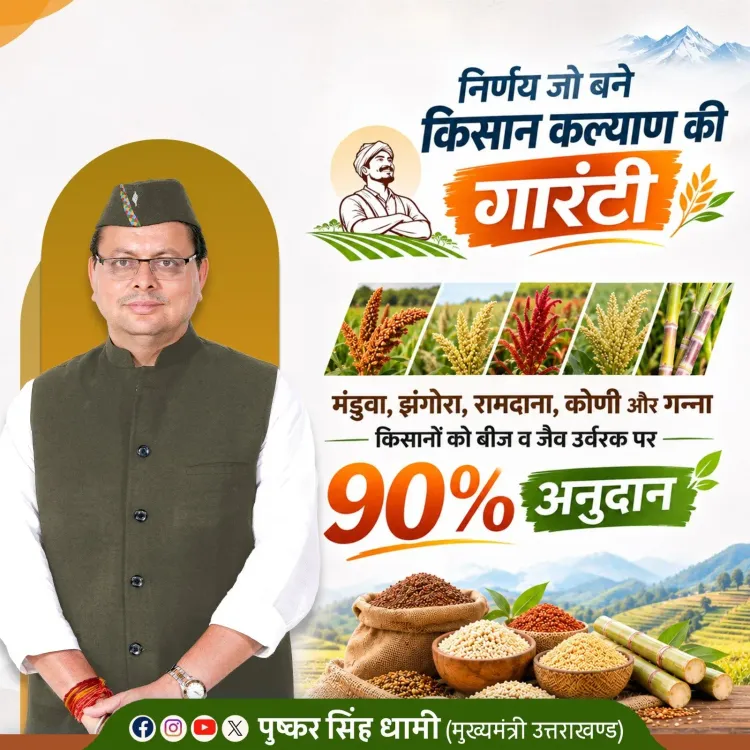
Uttarakhand CM Pushkar Singh Dhami announces up to 90% subsidies on seeds and bio-fertilisers for growers of mandua, jhangora, ramdana, koni, and sugarcane, aiming to make traditional hill farming economically viable and give local produce a stronger market identity.
Key Takeaways
CM Pushkar Singh Dhami announced up to 90% subsidy on seeds and bio-fertilisers for selected crop farmers on 18 November 2026 .
Crops covered: mandua (finger millet), jhangora (barnyard millet), ramdana (amaranth), koni (foxtail millet), and sugarcane .
The scheme targets both economic viability and a new market identity for Uttarakhand's traditional agricultural produce.
Bio-fertiliser inclusion steers farmers toward sustainable, low-chemical cultivation suited to the fragile Himalayan ecosystem.
The policy aligns with India's push following the International Year of Millets 2023 to revive climate-resilient traditional crops.
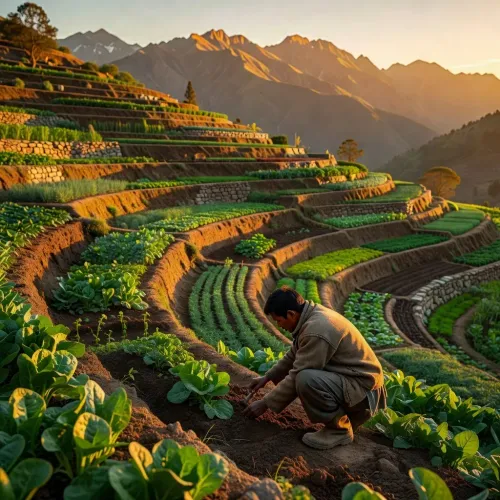
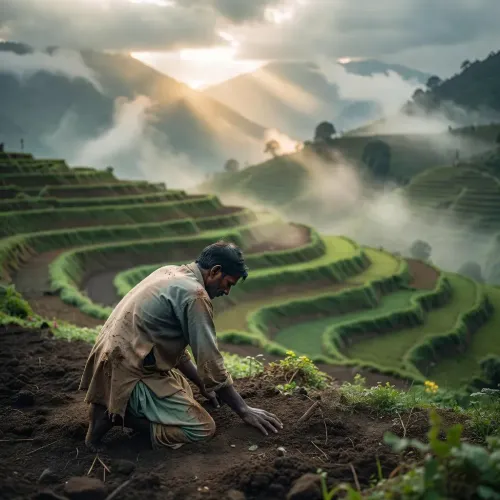
In the high-altitude farms of Uttarakhand, where thin soils and steep slopes make every harvest a gamble, Chief Minister Pushkar Singh Dhami has announced subsidies of up to 90% on seeds and bio-fertilisers for growers of traditional crops — a direct economic lifeline for some of India's most marginalised hill farmers.
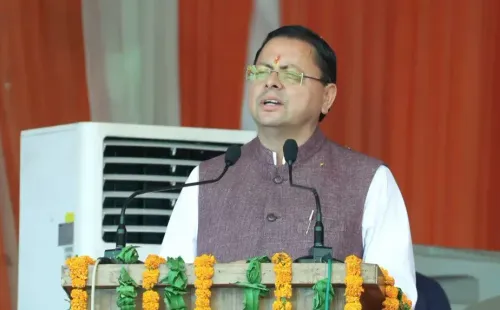
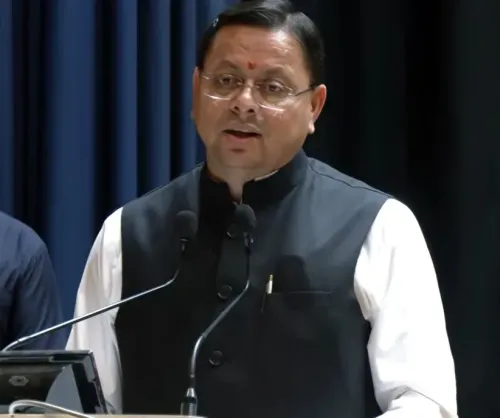
Posting on Wednesday, 18 November 2026, Dhami declared that supporting Uttarakhand's traditional farming and strengthening farmers economically is a government priority. The crops named are specifically mandua (finger millet), jhangora (barnyard millet), ramdana (amaranth), koni (foxtail millet), and sugarcane — a mix of ancient hill grains and cash crops that sustain livelihoods across the state's rural districts.
Mandua, Jhangora, and the battle against farm abandonment
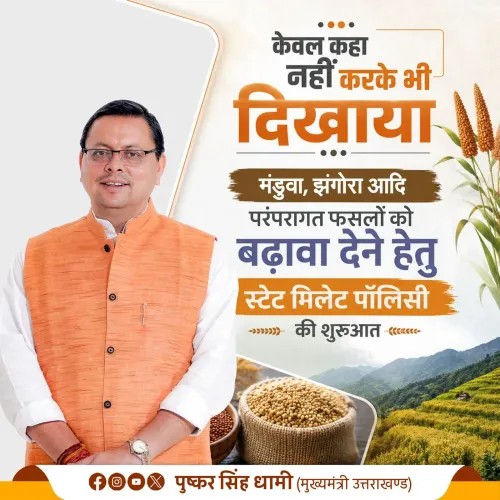
Uttarakhand's hill districts face a stubborn problem: farming the terrain is labour-intensive and expensive, and for decades it has been cheaper for families to migrate to plains cities than to cultivate ancestral land. Traditional millets like mandua and jhangora have particular cultural and nutritional weight in the region, but their commercial unviability has steadily shrunk acreage. A 90% subsidy on seeds and bio-fertilisers directly attacks the input-cost barrier that has pushed farmers off the land.
The policy fits into a larger national frame. India designated 2023 as the International Year of Millets, pushing states to revive climate-resilient grains that require fewer chemical inputs than paddy or wheat. Uttarakhand's move extends that push to the farm gate — turning a global nutritional narrative into rupees in a hill farmer's pocket.
Bio-fertilisers: a signal beyond the subsidy
The specific inclusion of bio-fertilisers alongside seeds is a telling policy detail. It signals that the government is not simply trying to boost volumes — it is nudging farmers toward low-chemical, sustainable cultivation suited to the ecologically fragile Himalayan ecosystem. That framing also positions Uttarakhand's traditional produce for premium organic markets, domestically and potentially beyond.
Dhami's post frames the goal in two registers: making farming 'लाभकारी' (profitable) and giving local agricultural products 'नई पहचान' (a new identity). The pairing is deliberate — economic survival and market branding must move together if hill agriculture is to genuinely turn around.
Whether the subsidy disbursement reaches farmers before the next sowing season, and whether it translates into measurable gains in acreage or income, will be the real test of a promise that has been urgently needed in Uttarakhand's mountains for years.
Point of View
The state is quietly positioning traditional produce for the premium organic segment, adding a market-branding logic to what might otherwise look like routine welfare spending. The move also gives the BJP a tangible rural-economy deliverable ahead of future electoral cycles in a state where farmer distress remains politically sensitive. The critical variable remains implementation: subsidy announcements in difficult terrain have a history of leaking before they reach the intended beneficiary.
NationPress
18 Nov 2026
Frequently Asked Questions
What is the Uttarakhand government's new subsidy for farmers?
The Uttarakhand government, led by CM Pushkar Singh Dhami, has announced subsidies of up to 90% on seeds and bio-fertilisers for farmers growing mandua, jhangora, ramdana, koni, and sugarcane.
What is mandua and why is it important in Uttarakhand?
Mandua, or finger millet, is a traditional crop grown in Uttarakhand's hill districts. It is nutritionally rich, climate-resilient, and culturally significant, but declining commercial viability has reduced its cultivation over recent decades.
Why is the government subsidising bio-fertilisers specifically?
Including bio-fertilisers in the subsidy steers farmers toward sustainable, low-chemical farming suited to Uttarakhand's ecologically fragile Himalayan terrain, and helps position produce for premium organic markets.
How does this scheme relate to India's International Year of Millets?
India marked 2023 as the International Year of Millets to revive traditional, climate-resilient grains. Uttarakhand's input subsidy directly extends that national push to the farm level by reducing the cost of growing millet crops.
Which farmers in Uttarakhand will benefit from this subsidy?
Hill farmers cultivating mandua, jhangora, ramdana, and koni, as well as sugarcane growers, are the stated beneficiaries. Exact eligibility criteria and disbursement timelines have not yet been publicly detailed.