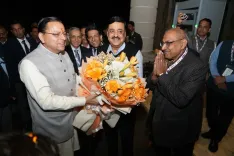
CM Dhami at Aadi Gaurav Mahotsav, honours Birsa Munda legacy
Synopsis
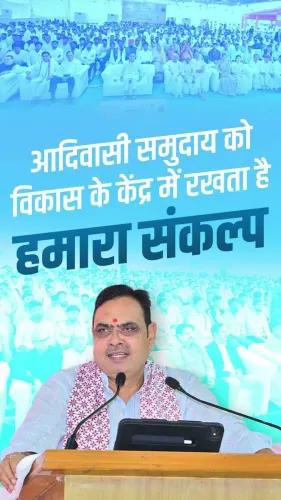
Chief Minister Pushkar Singh Dhami attended the Aadi Gaurav Mahotsav 2026 in Dehradun on Janjatiya Gaurav Divas, honouring Birsa Munda and announcing tribal welfare measures including 128 villages under a central scheme, four Eklavya schools, and a new Aadi Lakshya Sansthan.
Key Takeaways
Janjatiya Gaurav Divas , observed annually since 2021 on Birsa Munda's birth anniversary, was celebrated at Parade Ground, Dehradun with the Aadi Gaurav Mahotsav Uttarakhand-2026 .
The Ministry of Tribal Affairs budget has grown more than threefold since 2014 under PM Modi's government.
128 tribal villages in Uttarakhand have been selected under the Dharti Aaba Janjatiya Gram Utkarsh Abhiyan for infrastructure, education, and livelihood support.
Four Eklavya Model Residential Schools operate at Kalsi, Mehrawna, Bazpur, and Khatima ; a fifth is planned in Pithoragarh for Bhotia and Raji communities.
A tribal girls' hostel at Khatima has been approved to improve access to higher education for girls from remote areas.
The Aadi Lakshya Sansthan in Dehradun is being developed to prepare tribal youth for competitive examinations.
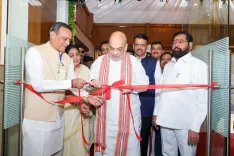
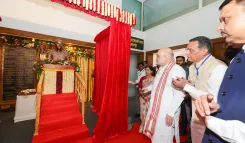
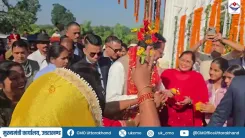
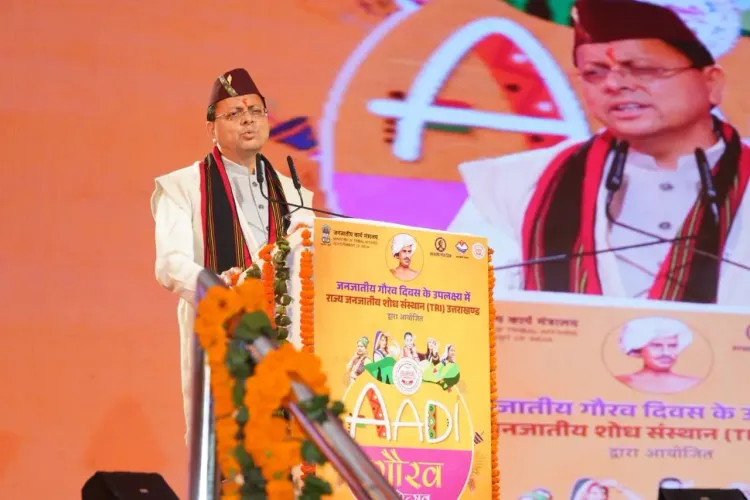
On the occasion of Janjatiya Gaurav Divas, Chief Minister Pushkar Singh Dhami stood before a sprawling exhibition of tribal handicrafts and cultural artefacts at Parade Ground, Dehradun, on Monday, November 16, 2026 — and used the moment to announce a slate of welfare commitments for Uttarakhand's tribal communities. The event, Aadi Gaurav Mahotsav Uttarakhand-2026, was organised by the State Tribal Research Institute (TRI), Uttarakhand.
Birsa Munda's Ulgulan — the revolution that defined tribal rights
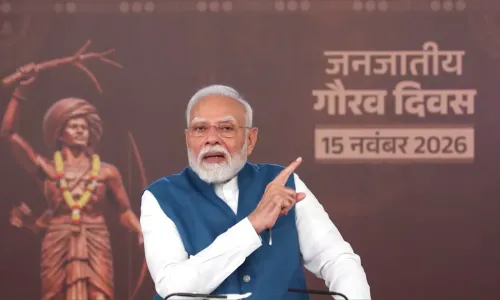
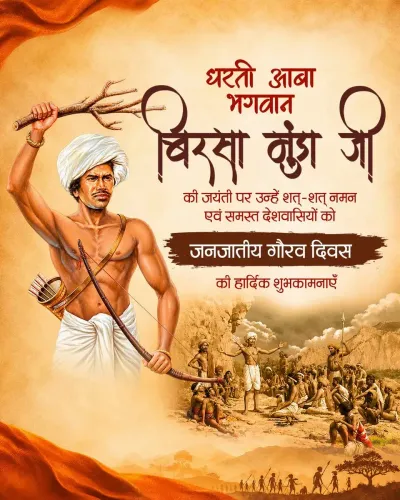
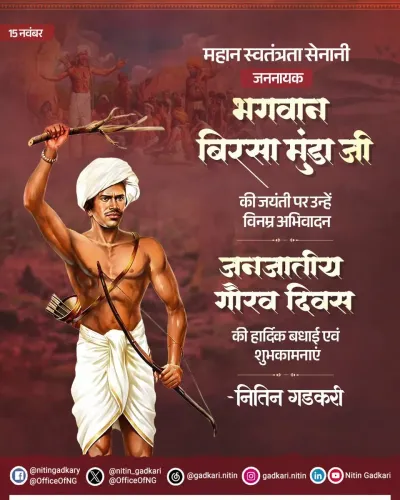
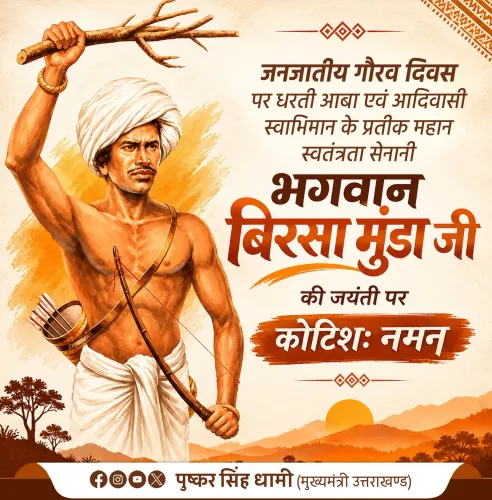
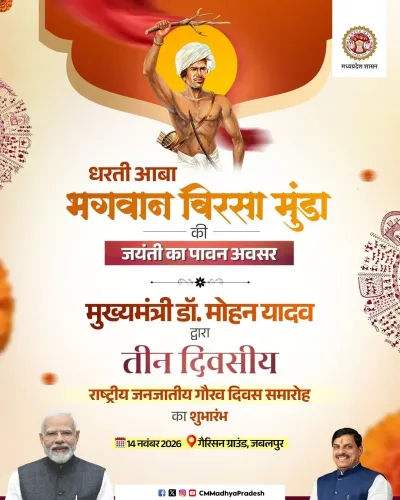
CM Dhami began by paying homage to Bhagwan Birsa Munda, calling him 'one of the greatest heroes of Indian history who, at a very young age, led the Ulgulan — the revolution — against British rule.' He underlined that Birsa Munda's fight for jal, jungle aur zameen (water, forest and land) rights remains an enduring inspiration for generations of tribal communities. It was Prime Minister Narendra Modi who, in 2021, declared Birsa Munda's birth anniversary as Janjatiya Gaurav Divas — a decision Dhami described as 'historic', giving national recognition to the contributions and proud history of tribal leaders.
Budget tripled, schemes scaled — the central push since 2014
The Chief Minister pointed to a dramatic shift in central investment: since 2014, the budget of the Ministry of Tribal Affairs has increased by more than three times. Flagship programmes driving this expansion include Eklavya Model Residential Schools, the Dharti Aaba Janjatiya Gram Utkarsh Abhiyan, the PM Janjatiya Vikas Mission, and Van Dhan Kendras — all aimed at pulling tribal communities into the economic mainstream while protecting their distinct identity.
128 Uttarakhand tribal villages, four Eklavya schools, and a new hostel
Zeroing in on Uttarakhand, Dhami said the Dharti Aaba Janjatiya Gram Utkarsh Abhiyan has selected 128 tribal villages in the state for focused investment in infrastructure, education, health, and livelihood. Four Eklavya Model Residential Schools are already operational — at Kalsi, Mehrawna, Bazpur, and Khatima — providing free education and accommodation to tribal students. Efforts are also underway to establish a new Eklavya school in border district Pithoragarh for children of the Bhotia and Raji communities. For tribal girls specifically, a tribal girls' hostel at Khatima has been approved, widening access to higher education for girls from remote areas.
From ITIs to 'Aadi Lakshya' — the pipeline for tribal youth
The state currently runs 16 government ashram-style schools and three tribal ITIs for technical training, alongside scholarship programmes spanning primary to post-graduate level. Looking ahead, work is underway — in collaboration with the central government — to establish the Aadi Lakshya Sansthan in Dehradun, a dedicated institute that will prepare tribal youth for competitive examinations. Free coaching and scholarships are already available for eligible students preparing for such exams.
Dhami closed by praising the TRI and the Tribal Welfare Department for mounting the grand cultural exhibition. The message woven through the event was unambiguous: cultural pride and economic progress are not competing goals — in Uttarakhand's tribal policy, they are inseparable.
The Aadi Lakshya Sansthan and the new Eklavya school in Pithoragarh will be the real test of that promise.
Point of View
And a dedicated institution in the state capital would signal a step beyond the usual hostel-and-scholarship playbook. Whether the Pithoragarh Eklavya school and the Dehradun institute materialise on schedule will be the credibility test for these announcements.
NationPress
16 Nov 2026
Frequently Asked Questions
What is Janjatiya Gaurav Divas and when is it celebrated?
Janjatiya Gaurav Divas is observed annually on November 15 , the birth anniversary of tribal hero Bhagwan Birsa Munda . It was instituted by the central government in 2021 to recognise the contributions of tribal communities and their leaders to Indian history.
What is the Aadi Gaurav Mahotsav Uttarakhand-2026?
Aadi Gaurav Mahotsav Uttarakhand-2026 is a cultural festival organised by the State Tribal Research Institute (TRI), Uttarakhand at Parade Ground, Dehradun , showcasing tribal culture, handicrafts, traditional products, and artistic skills of Uttarakhand's tribal communities.
How many Eklavya Model Residential Schools are in Uttarakhand?
Uttarakhand currently has four Eklavya Model Residential Schools operating at Kalsi, Mehrawna, Bazpur, and Khatima , providing free education and accommodation to tribal students. A fifth school is being planned for Pithoragarh for Bhotia and Raji community children.
What is the Dharti Aaba Janjatiya Gram Utkarsh Abhiyan?
It is a central government scheme aimed at holistic development of tribal villages. In Uttarakhand, 128 tribal villages have been selected under this programme for focused investment in infrastructure, education, health, livelihoods, and employment opportunities.
What is the Aadi Lakshya Sansthan being set up in Dehradun?
The Aadi Lakshya Sansthan is a proposed institute in Dehradun , being established with central government support, specifically to help tribal youth prepare for competitive examinations and improve their representation in government services.