CM Dhami Backs Cabinet Nod for Agniveer Second Tour of Duty
Synopsis
Uttarakhand CM Pushkar Singh Dhami praised the Union Cabinet's approval of a two-year 'Second Tour of Duty' for Agniveers under the Agnipath scheme, calling it a vital step of trust in India's youth and their dedication to national service.
Key Takeaways
The Union Cabinet, under PM Narendra Modi , approved a two-year 'Second Tour of Duty' for Agniveer recruits on November 4, 2026 .
CM Pushkar Singh Dhami publicly welcomed the decision on X, calling it a significant step in the interest of youth.
The Agnipath scheme , originally launched in June 2022 , enrolled soldiers on four-year contracts with up to 25 percent eligible for permanent retention.
The second tour of duty addresses criticism that the original four-year term was too short for meaningful military career development.
Uttarakhand, with deep military ties across its Garhwal and Kumaon belts, is a key barometer of soldier-family sentiment on defence recruitment policy.
Implementation details across the Army, Navy, and Air Force are yet to be announced by the Ministry of Defence.
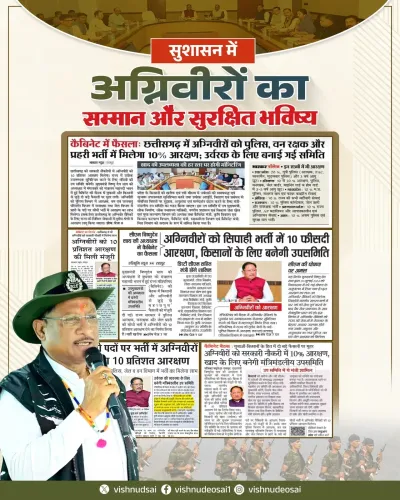
A significant extension of the Agnipath scheme cleared the Cabinet table on Wednesday, November 4, 2026 — and Uttarakhand Chief Minister Pushkar Singh Dhami was among the first to publicly welcome it, calling the approval of a two-year 'Second Tour of Duty' for Agniveer recruits a defining moment of faith in India's youth.
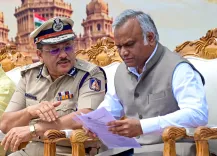
Posting on X in Hindi, CM Dhami described the Central Cabinet's decision — taken under the leadership of Prime Minister Narendra Modi — as 'yuvaon ke hit mein ek mahatvapurna kadam' ('an important step in the interest of youth'). He thanked the Prime Minister and the Cabinet 'wholeheartedly' and framed the move as recognition of young Indians' dedication to national service.
What the Second Tour of Duty Means for Agniveers
When the Agnipath scheme was launched in June 2022, it replaced the decades-old model of lifelong military enlistment with a four-year short-term contract. Recruits — designated Agniveers — served for four years, after which up to 25 percent were retained in permanent roles while the rest re-entered civilian life with a skill certificate and a financial corpus.
The newly approved two-year 'Second Tour of Duty' adds a fresh layer to that architecture. Agniveers who complete their initial term would now have a pathway to serve for an additional two years — a change that addresses one of the loudest criticisms of the original scheme: that the four-year window was too short to build genuine military expertise or offer meaningful career security.
Dhami's Political Signal on a Nationally Watched Policy
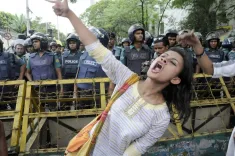
Uttarakhand has historically been one of India's most significant military-recruitment states, with a large number of families linked to the armed forces across the Garhwal and Kumaon regions. When the Agnipath scheme sparked widespread protests in 2022 — including agitation in several states over job security concerns — Uttarakhand remained a key barometer of soldier-family sentiment.
CM Dhami's swift and unambiguous endorsement of the Cabinet decision signals that the BJP's state leadership views this extension as a direct response to those anxieties. His post frames the second tour not merely as a policy tweak but as a statement of governmental trust — 'yuvaon ke saamarthya par vishwas' ('belief in the capability of youth').
What Comes Next for the Three Services
The practical implementation of the second tour across the Indian Army, Indian Navy, and Indian Air Force will now depend on service-specific guidelines, eligibility criteria, and selection norms that the Ministry of Defence is expected to lay out. The decision's effect on future recruitment cycles — including whether annual intake targets change — will be closely watched by defence analysts and the hundreds of thousands of young Indians already in the Agniveer pipeline.
For a generation that signed up under the original four-year bargain, two additional years of service may not be transformational on paper — but as a signal of policy evolution, it matters enormously.
Point of View
The government is attempting to convert critics while keeping the core fiscal logic — reduced pension liability — intact. CM Dhami's prompt endorsement is politically calculated: Uttarakhand's high military-enlistment culture makes defence recruitment a live electoral nerve, and backing this extension helps the BJP state leadership align with soldier families ahead of future electoral cycles. The deeper question is whether two additional years will satisfy veterans' groups and recruits who still want permanent service guarantees — or whether this is an incremental opening move in a longer policy renegotiation.
NationPress
4 Nov 2026
Frequently Asked Questions
What is the Agnipath scheme second tour of duty?
The Cabinet approved a two-year 'Second Tour of Duty' allowing Agniveer recruits who complete their initial four-year term to serve for an additional two years, extending their overall military engagement.
When was the Agnipath scheme second tour of duty approved?
The Union Cabinet approved the two-year second tour of duty for Agniveers on November 4, 2026 .
What did CM Dhami say about the Agnipath second tour of duty?
Uttarakhand Chief Minister Pushkar Singh Dhami called it 'an important step in the interest of youth' and thanked PM Modi and the Union Cabinet for the decision, framing it as a recognition of young Indians' dedication to national service.
What was the original Agnipath scheme structure?
Launched in June 2022, the Agnipath scheme recruited soldiers on four-year contracts, with up to 25 percent eligible for permanent retention; the rest received a financial corpus and skill certification upon exit.
How will the Agniveer second tour of duty be implemented?
The Ministry of Defence is expected to issue service-specific guidelines for the Indian Army, Navy, and Air Force covering eligibility, selection criteria, and how the second tour will affect future recruitment cycles.