CM Dhami Pledges Journalist Welfare, Better Work Conditions
Synopsis
Uttarakhand Chief Minister Pushkar Singh Dhami on 25 May 2026 reaffirmed his government's commitment to journalist welfare, calling the press the fourth pillar of democracy and pledging expanded facilities and a safer working environment for media professionals in the state.
Key Takeaways
CM Pushkar Singh Dhami described journalists as the 'fourth pillar of democracy' and a crucial bridge between society and government.
He pledged that the Uttarakhand government is committed to journalist welfare, expanded facilities, and a safe working environment.
BJP MP Ajay Bhatt , Cabinet Minister Pradeep Batra , Ram Singh Kaira , and BJP district president Pratap Singh Bisht were present at the event.
Indian states have maintained journalist welfare funds and accreditation systems since the 1990s .
A formal follow-up policy announcement or budgetary measure on journalist welfare by the Uttarakhand government is anticipated.
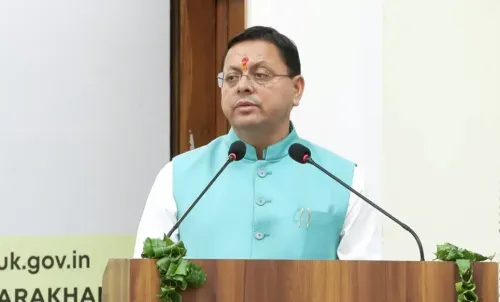
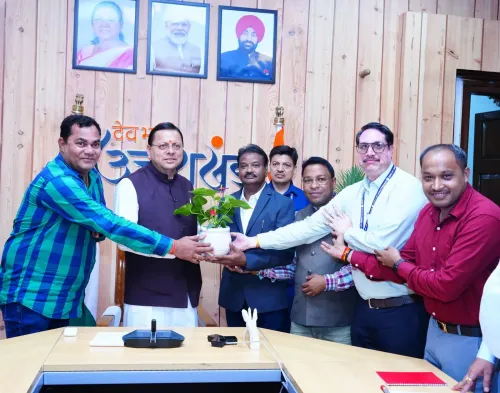
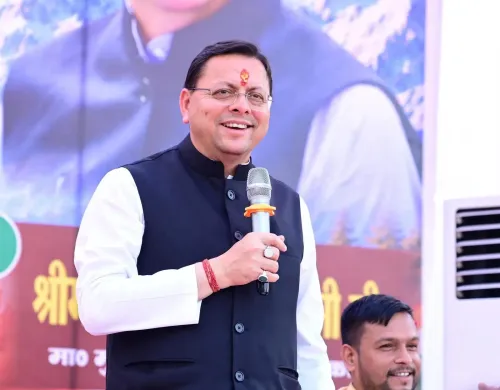
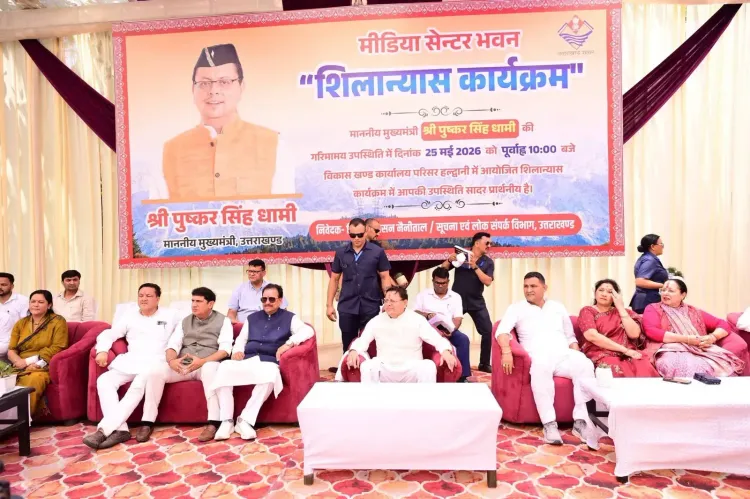
Uttarakhand Chief Minister Pushkar Singh Dhami on Monday, 25 May 2026, reaffirmed his government's commitment to journalist welfare, describing the press as a vital bridge between society and the state in a democratic framework.
Addressing the gathering, CM Dhami stated — 'पत्रकार, समाज और सरकार के बीच महत्वपूर्ण सेतु की भूमिका निभाते हैं' [journalists play the role of an important bridge between society and the government] — framing journalists as the 'fourth pillar of democracy.' He added that impartial, fact-based and public-interest journalism strengthens democratic institutions.
Context
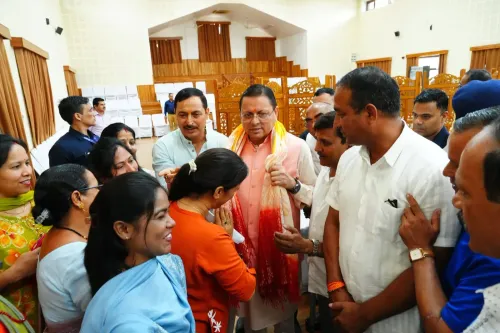
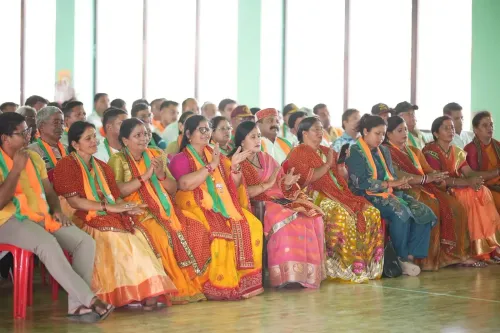
The Chief Minister's remarks came at a public event attended by senior political figures from the ruling Bharatiya Janata Party (BJP). BJP Member of Parliament Ajay Bhatt, Cabinet Minister Pradeep Batra, Ram Singh Kaira, and Pratap Singh Bisht, the district president of BJP, were present on the occasion.
Dhami's statement underscores a recurring theme in BJP-led state administrations: publicly anchoring press freedom and journalist welfare within the wider narrative of democratic consolidation and governance outreach to professional communities.
Policy Backdrop
Indian states have maintained journalist welfare funds and accreditation systems since the 1990s, providing financial assistance, health coverage, and housing benefits to working journalists. Uttarakhand, like several other states, operates its own accreditation and welfare framework for media professionals.
CM Dhami specifically pledged that the government remains 'always committed' — 'सदैव प्रतिबद्ध' — to the welfare of journalists, the expansion of their facilities, and the provision of a safe and better working environment. This language signals a possible policy follow-through beyond ceremonial assurance.
Stakeholders and Impact
Working journalists across Uttarakhand — particularly those in smaller districts and hill regions where access to institutional support is limited — stand to benefit most from any concrete expansion of welfare schemes. Accreditation reforms and safety guidelines would directly affect hundreds of print, digital, and broadcast journalists operating in the state.
Media freedom advocates have long highlighted the precarious working conditions of journalists in smaller Indian states, including delayed salaries, lack of health insurance, and inadequate legal protection. A formal government commitment at the Chief Minister level carries administrative weight that can translate into budgetary allocations.
What's Next
The Uttarakhand government may follow up with specific announcements on journalist welfare schemes, accreditation expansions, or updated safety guidelines. CM Dhami's public pledge, made before senior party leaders and legislators, raises the expectation of a formal policy or budgetary measure in the near term.
How the government translates this commitment into concrete welfare infrastructure for journalists in Uttarakhand will be closely watched by media associations and civil society groups across the state.
Point of View
Accreditation reform, or safety guidelines — will determine its real impact on Uttarakhand's media community. The broader arc here is one of competitive federalism on press welfare, as states increasingly use such commitments to shape their governance image.
NationPress
9 Oct 2026
Frequently Asked Questions
What did Uttarakhand CM Dhami say about journalists?
CM Pushkar Singh Dhami called journalists the fourth pillar of democracy and pledged that his government is committed to their welfare, expanded facilities, and a safe working environment.
What journalist welfare schemes exist in Uttarakhand?
Uttarakhand operates journalist accreditation and welfare frameworks that can include financial assistance and related benefits, in line with systems that Indian states have maintained since the 1990s. Specific 2026 scheme details have not yet been officially announced.
Who attended the journalist event with CM Dhami on 25 May 2026?
BJP MP Ajay Bhatt, Cabinet Minister Pradeep Batra, Ram Singh Kaira, and BJP Dehradun district president Pratap Singh Bisht were present at the event.
Why do Indian state governments make commitments on journalist welfare?
State governments across India periodically reaffirm the constitutional role of the press and pledge support for media safety and facilities, often framing such commitments within narratives of democratic strengthening and administrative outreach.
Will Uttarakhand announce a new journalist welfare scheme?
CM Dhami's public commitment raises the expectation of a formal follow-up, possibly including welfare scheme expansions or updated accreditation and safety guidelines, though no specific announcement has been made yet.