CM Dhami Backs Kiwi, Millet and Dragon Fruit Push for Uttarakhand Farmers
Synopsis
Uttarakhand CM Pushkar Singh Dhami on 30 October 2026 reaffirmed his government's push for crop diversification through millet, kiwi, apple and dragon fruit missions, alongside interest-free loans, machinery subsidies and free canal irrigation for hill farmers.
Key Takeaways
CM Pushkar Singh Dhami posted on 30 October 2026 detailing Uttarakhand's agricultural welfare agenda.
The state is running dedicated missions for millet, kiwi, apple and dragon fruit to diversify hill farming and raise incomes.
Financial support includes interest-free credit , subsidies on agricultural machinery , and free canal irrigation for farmers.
Dhami explicitly tied the initiative to PM Narendra Modi's leadership and guidance.
Cabinet Minister Ganesh Joshi and MLA Brij Bhushan were present at the associated event.
The push aligns with Uttarakhand's long-term goal of reversing out-migration by improving rural farm incomes in hill districts.
From millets on Himalayan slopes to kiwi and dragon fruit in hill orchards, Uttarakhand Chief Minister Pushkar Singh Dhami reaffirmed on Friday, 30 October 2026, that his government is driving a sweeping agricultural diversification agenda for the state's farming communities — and he wants voters to know whose vision is behind it.
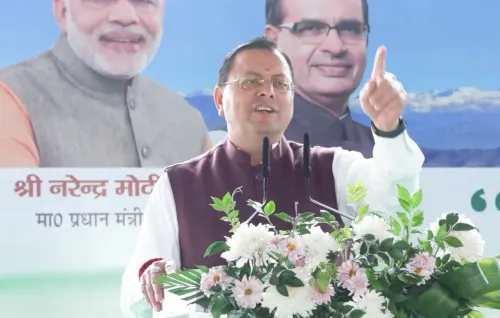
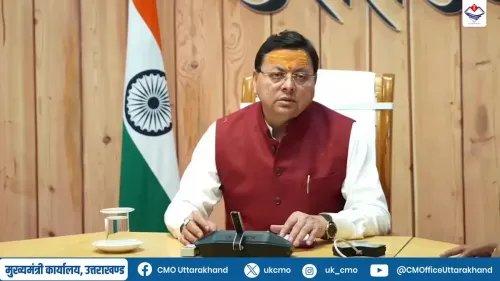
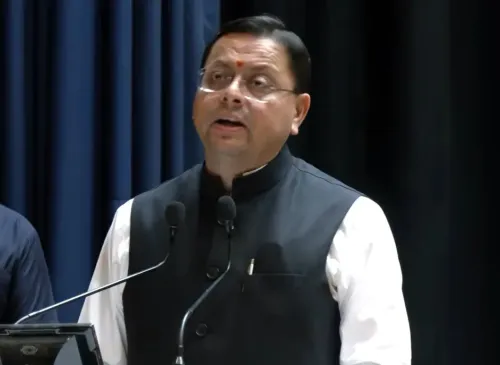
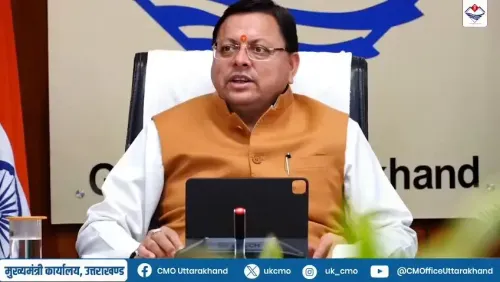
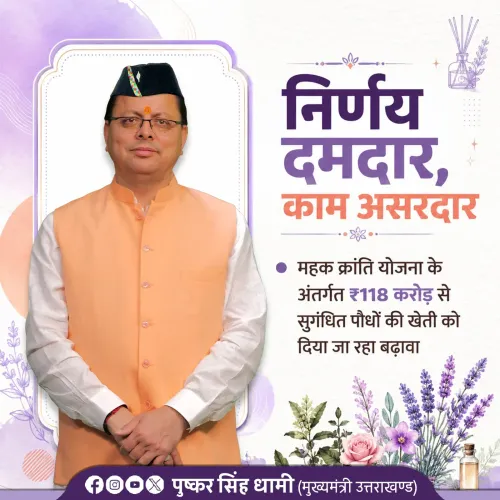
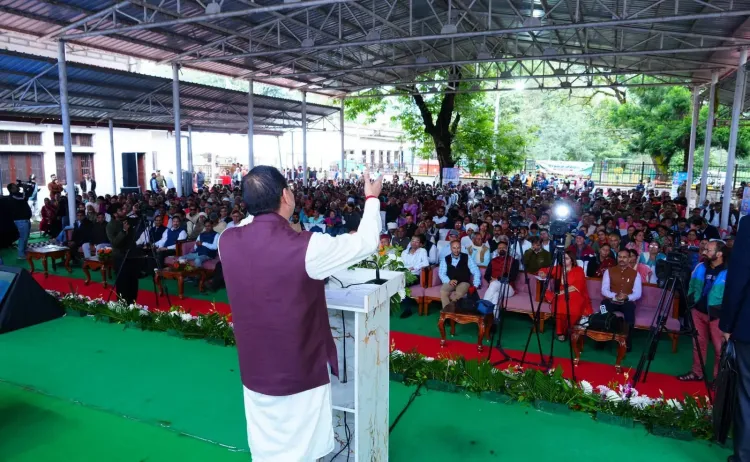
Posting in Hindi, CM Dhami credited Prime Minister Narendra Modi's leadership for guiding the state's agricultural push, saying: 'Under the able leadership and guidance of our respected Prime Minister, our government is committed to the welfare of farmers and empowering the agriculture sector.' The post was accompanied by two images from what appeared to be a public event, where Cabinet Minister Ganesh Joshi and MLA Brij Bhushan were also present.
Four Crops, One Strategy: Diversifying the Hill Farm
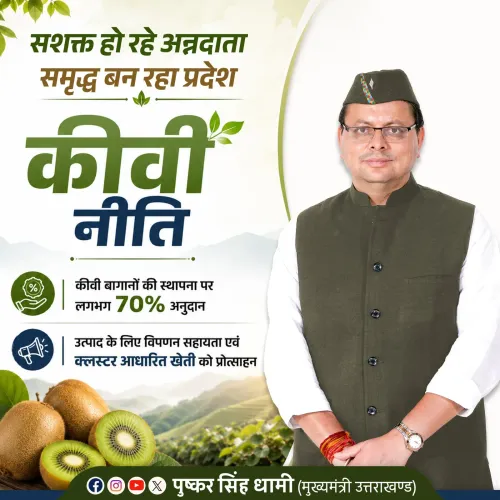
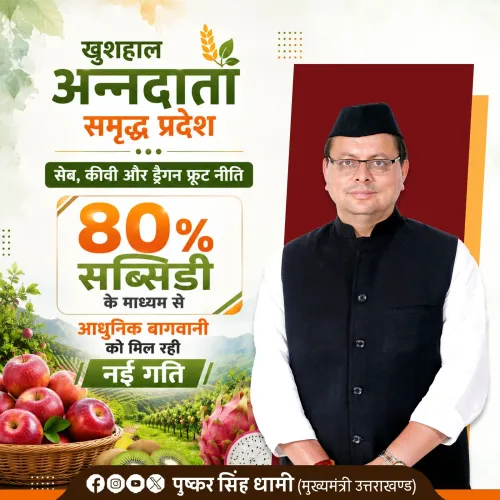
At the heart of the announcement are dedicated missions around millet, kiwi, apple and dragon fruit — four crops that signal a deliberate shift away from traditional cereals toward higher-value, climate-resilient produce suited to Uttarakhand's varied altitudes. The state has been building this horticulture-forward strategy for several years, with hill farmers facing thin margins on staple crops and growing pressure from erratic monsoons.
The pivot to millets carries a national tailwind: India championed millets globally during the International Year of Millets in 2023, and Uttarakhand's own Millet Mission has sought to revive traditional varieties — finger millet, barnyard millet — that have deep roots in the region's diet and ecology. Pairing that with exotic fruits like kiwi and dragon fruit signals the government's ambition to move hill farmers up the agricultural value chain.
Interest-Free Loans, Machinery Grants and Free Canal Water
Beyond crop choices, Dhami's post highlights three financial interventions the state says are active: interest-free credit for farmers, subsidies on agricultural machinery purchases, and free canal irrigation facilities. These are not new categories in Uttarakhand budgets — successive state governments have used similar instruments — but framing them together alongside the diversification missions signals an attempt to present a consolidated welfare narrative ahead of budget discussions.
The presence of a cabinet minister and a sitting MLA at the occasion suggests this was a formal government event rather than a routine social-media post, lending the claims an official character even if granular implementation data remains to be publicly reported.
Dhami's Farm Agenda and the BJP's Mountain Playbook
For the BJP-led Uttarakhand government, agriculture in hill districts is both a welfare obligation and a political pressure point. A large share of the state's rural population depends on subsistence farming, and out-migration from villages remains a stubborn problem that better farm incomes are meant to address. Aligning state missions explicitly with Modi's 'doubling farmer incomes' goal keeps Uttarakhand within the broader BJP narrative of farmer-centric governance, even as the specifics — kiwi missions, free canals — are distinctly local.
How many farmers have enrolled in these missions, how much credit has been disbursed interest-free, and whether canal access has meaningfully expanded will be the metrics that matter when the next Uttarakhand budget session arrives.
Point of View
Machinery grants, free canals) while wrapping them in a Modi-attribution frame that keeps Uttarakhand's BJP aligned with the central government's farmer-income narrative. The diversification toward kiwi, dragon fruit and millets is a genuine strategic shift for Himalayan agriculture, but the gap between mission announcements and measurable farmer outcomes remains the critical test. With Uttarakhand's rural out-migration problem unresolved, the government's ability to show income gains — not just scheme launches — will determine how much political dividend these announcements yield in future electoral cycles.
NationPress
30 Oct 2026
Frequently Asked Questions
What agricultural missions has the Uttarakhand government launched for farmers?
Uttarakhand has launched dedicated missions for millet, kiwi, apple and dragon fruit cultivation to diversify hill farming and boost incomes, according to CM Pushkar Singh Dhami's statement on 30 October 2026.
Are Uttarakhand farmers getting interest-free loans from the state government?
Yes. CM Dhami stated on 30 October 2026 that the Uttarakhand government is providing interest-free credit to farmers as part of its agricultural welfare package.
What is the Uttarakhand Millet Mission?
The Uttarakhand Millet Mission is a state initiative to promote cultivation of millets — including traditional varieties like finger millet — building on India's push during the International Year of Millets in 2023 and suited to the region's terrain.
Why is Uttarakhand promoting kiwi and dragon fruit farming?
The state government is promoting high-value fruits like kiwi and dragon fruit to shift hill farmers toward more profitable crops, improve rural incomes, and reduce out-migration from mountain villages.
Who was present at CM Dhami's farm welfare event on 30 October 2026?
Cabinet Minister Ganesh Joshi and MLA Brij Bhushan attended the occasion alongside CM Pushkar Singh Dhami on 30 October 2026.