CM Dhami Highlights 12-Year Surge in IITs, IIMs, AIIMS Across India
Synopsis
Chief Minister Pushkar Singh Dhami on 31 May 2026 highlighted an unprecedented twelve-year expansion of IITs, IIMs, AIIMS, universities, and colleges across India, linking national institutional growth to improved access for students and medical aspirants.
Key Takeaways
CM Pushkar Singh Dhami on 31 May 2026 cited unprecedented growth in higher education and health institutions over the past twelve years .
India's IIT network expanded from 16 to 23 campuses after 2014; IIMs grew from 13 to 20 .
The AIIMS network grew from 7 to over 20 institutions under the Pradhan Mantri Swasthya Suraksha Yojana .
Phase II (2014) of the central health scheme sanctioned 15 new AIIMS and 30 new medical colleges.
Expansion has been concentrated in tier-2 cities and states with historically low institutional density, benefiting students and medical aspirants.
Uttarakhand's government continues to advocate for dedicated premier institution branches within the state.
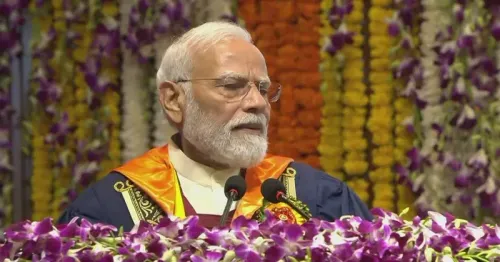
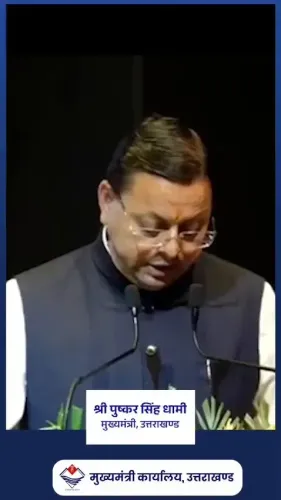
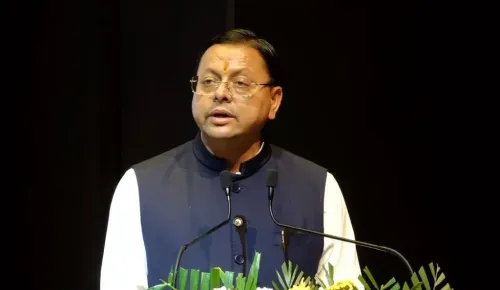
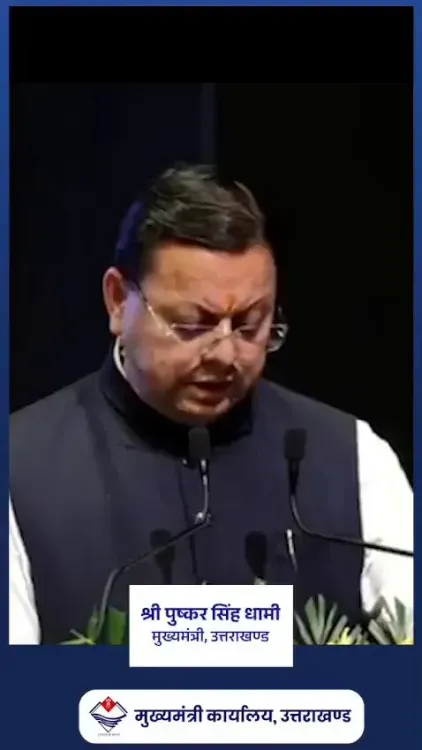
The Chief Minister's Office of Uttarakhand, on behalf of Chief Minister Pushkar Singh Dhami, on Sunday, 31 May 2026, highlighted an unprecedented expansion in higher education and health institutions across India over the past twelve years, citing growth in universities, colleges, IITs, IIMs, and AIIMS campuses.
Context
CM Dhami stated, 'पिछले बारह वर्षों में देश में विश्वविद्यालयों, महाविद्यालयों, आईआईटी, आईआईएम और एम्स जैसे उच्च शिक्षण एवं स्वास्थ्य संस्थानों की संख्या में अभूतपूर्व वृद्धि हुई है' — ('In the last twelve years, there has been an unprecedented increase in the number of higher education and health institutions such as universities, colleges, IITs, IIMs, and AIIMS in the country'). The remark underscores a broader national narrative around institutional expansion since 2014. The statement was accompanied by a video post on the official Uttarakhand Chief Minister's Office X account.
Policy Backdrop
The IIT network grew from 16 to 23 institutions after new campuses were added following 2014, while IIMs expanded from 13 to 20 with fresh establishments between 2015 and 2017. The AIIMS network, originally comprising 7 institutions, grew to over 20 under successive phases of the Pradhan Mantri Swasthya Suraksha Yojana, which in its Phase II (2014) sanctioned 15 additional AIIMS and 30 new medical colleges. These expansions were designed to raise the gross enrolment ratio and correct long-standing regional imbalances in access to premier institutions.
The Ministry of Human Resource Development's 2014 announcement of six new IITs and five new IIMs specifically aimed at increasing access in states and regions historically underserved by central institutions. Uttarakhand itself has benefited from this broader national push, with centrally-funded campuses improving local access to technical and medical education.
Stakeholders and Impact
The primary beneficiaries of this institutional expansion are students and medical aspirants from tier-2 cities and states with historically low institutional density. Increased seats in IITs, IIMs, and AIIMS have widened pathways to elite technical, managerial, and medical careers for students from regions that previously had limited access. The expansion also carries economic implications for host districts, generating employment and stimulating local development.
For Uttarakhand, a hill state with dispersed population centres, the growth of centrally-funded institutions represents both an opportunity and an ongoing demand — the state government has consistently advocated for dedicated branches of existing premier institutions within its borders.
What's Next
Parliamentary budget discussions for 2026-27 are expected to include scrutiny of outlays for new campuses and operational funding for recently established institutions. Observers will watch for any state-level memoranda from Uttarakhand seeking dedicated IIT or AIIMS branches or expansions. CM Dhami's statement signals that education and health infrastructure will remain central themes in the Uttarakhand BJP government's communication ahead of future electoral cycles, aligning state messaging closely with central government achievements.
Point of View
IIM, and AIIMS expansion, the Uttarakhand CMO aligns itself with the national 'vikas' (development) arc that has defined the ruling party's communication since 2014. The emphasis on twelve years is deliberate — it frames institutional growth as a sustained, long-term policy dividend rather than a one-off announcement. For Uttarakhand specifically, echoing these metrics also serves as implicit pressure on the Centre to direct more premier institution branches to the hill state.
NationPress
15 Oct 2026
Frequently Asked Questions
How many new IITs were opened in India in the last 12 years?
India's IIT network expanded from 16 to 23 institutions after 2014, with several new campuses added across underserved states. CM Dhami referenced this growth as part of a broader expansion of premier institutions over the past twelve years.
How many AIIMS are there in India now?
The AIIMS network grew from 7 to over 20 institutions under successive phases of the Pradhan Mantri Swasthya Suraksha Yojana, which sanctioned 15 additional AIIMS from 2014 onwards. This expansion was among the examples cited by CM Pushkar Singh Dhami.
What did CM Pushkar Singh Dhami say about education?
CM Dhami stated that over the past twelve years there has been an unprecedented increase in universities, colleges, IITs, IIMs, and AIIMS across India. He made the remark via the official Uttarakhand Chief Minister's Office X account on 31 May 2026.
How many IIMs are there in India?
India's IIM network expanded from 13 to 20 institutions, with new establishments set up between 2015 and 2017 as part of the central government's drive to widen access to management education.
What is Pradhan Mantri Swasthya Suraksha Yojana?
The Pradhan Mantri Swasthya Suraksha Yojana is a central health scheme aimed at correcting regional imbalances in healthcare infrastructure. Its Phase II in 2014 sanctioned 15 new AIIMS and 30 new medical colleges across India.