CM Dhami Hails 12 Years of Modi Govt Health Reforms

Synopsis
Uttarakhand CM Pushkar Singh Dhami marked 12 years of PM Modi's government by lauding Ayushman Bharat, new AIIMS, Jan Aushadhi Kendras, and the Digital Health Mission, while pledging to extend cashless healthcare and Ayushman cards to remote mountain communities in Uttarakhand.
Key Takeaways
CM Pushkar Singh Dhami credited PM Narendra Modi's 12 years in office with historic transformation of India's health sector.
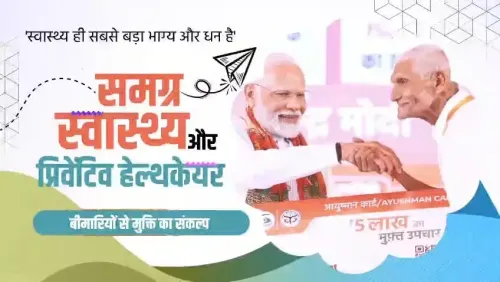
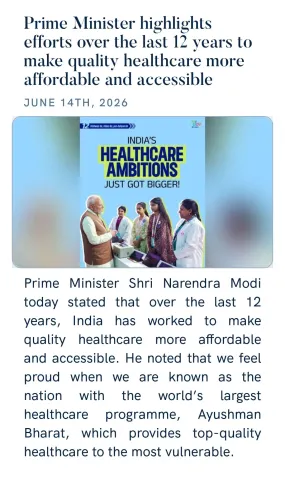
Ayushman Bharat , described as the world's largest health security scheme, provides up to Rs 5 lakh annual cover per family for over 50 crore citizens.
New AIIMS campuses, medical colleges, and Jan Aushadhi Kendras have expanded access to care and affordable medicines since 2014 .
The National Digital Health Mission , launched in August 2020 , aims to build a nationwide digital health ID and records ecosystem.
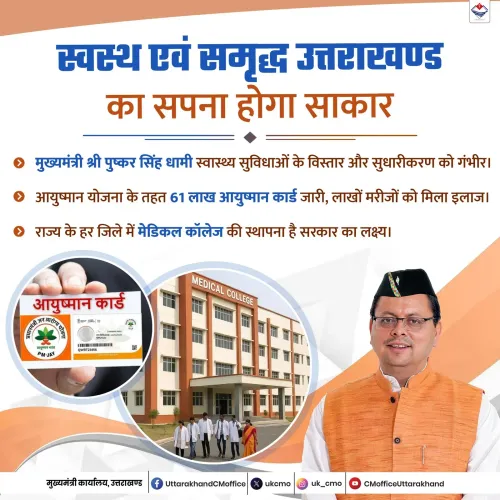
Uttarakhand's 'double engine government' has extended cashless treatment to lakh of families, with a focus on remote hilly areas.
Further Ayushman card distribution and medical college operationalisation in Uttarakhand districts are the key next steps.
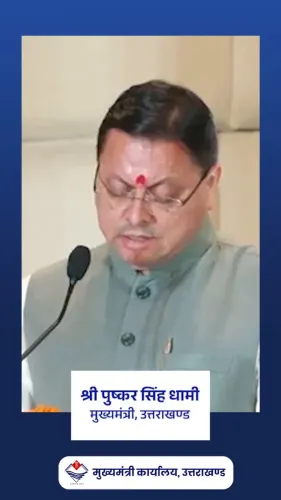
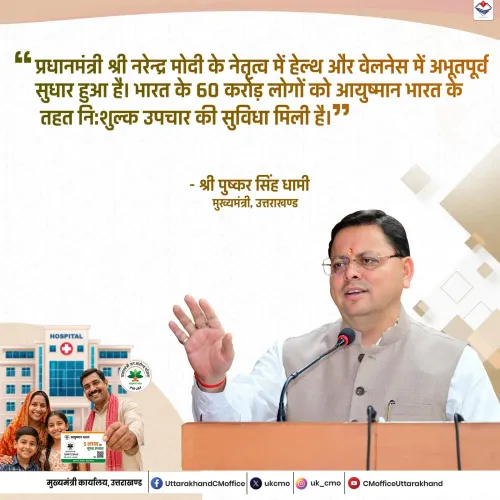
Uttarakhand Chief Minister Pushkar Singh Dhami on Sunday, June 14, 2026, credited Prime Minister Narendra Modi's twelve years in office with transforming India's healthcare landscape, citing flagship schemes and infrastructure expansion as milestones that have delivered better medical services to crores of citizens. Dhami also reaffirmed Uttarakhand's commitment to implementing the Centre's health vision at the ground level, particularly in remote mountain districts.
Context
Posting under the hashtag #12YearsOfSwasthBharat (12 Years of Healthy India), CM Dhami listed what he described as 'historic changes' in India's health sector since 2014. He highlighted Ayushman Bharat — which he called 'the world's largest health security scheme' — alongside the establishment of new AIIMS campuses and medical colleges, expansion of health infrastructure, affordable medicines through Jan Aushadhi Kendras, and the Digital Health Mission as pillars of this transformation.
In his words, these efforts have provided 'better health services to crores of citizens of the country.' The post reflects a coordinated BJP messaging exercise marking a symbolic twelve-year milestone of the Modi government's tenure.
Policy Backdrop
Ayushman Bharat Pradhan Mantri Jan Arogya Yojana, launched in September 2018, provides annual health cover of up to Rs 5 lakh per family for secondary and tertiary care, targeting over 50 crore economically vulnerable citizens — making it the largest government-funded health insurance programme in the world by coverage.
The Pradhan Mantri Bharatiya Janaushadhi Pariyojana, which expanded Jan Aushadhi Kendras from 2016 onward, has widened access to affordable generic medicines. New AIIMS campuses and hundreds of medical colleges have been announced in successive Union Budgets from 2014-15 to address regional gaps in tertiary care and medical education. The National Digital Health Mission, announced in August 2020, aims to create digital health IDs and portable health records across the country.
Uttarakhand: Implementation on the Ground
CM Dhami stated that the Uttarakhand government is 'committed to translating the Prime Minister's vision into reality,' pointing to the 'double engine government' framework — a term the BJP uses to describe aligned governance when the same party holds power at both the Centre and in a state. He said lakh of families in the state have benefited from cashless treatment under various schemes run by this arrangement.
Uttarakhand's mountainous terrain poses distinct last-mile delivery challenges. Dhami specifically mentioned efforts to extend health facilities to 'remote hilly areas,' strengthen hospitals, make modern medical equipment available, and ensure Ayushman cards reach every eligible individual. The state's geography — with dispersed populations across high-altitude districts — makes central health schemes particularly consequential for residents who previously had limited access to secondary and tertiary care.
What's Next
The broader rollout of Ayushman cards in remaining Uttarakhand districts and the operationalisation of new medical colleges in the state will be key metrics for how effectively central health policy translates to outcomes in Himalayan states. Central health ministry reviews and state budget allocations for health infrastructure in 2026-27 will indicate the pace of this expansion.
As the BJP marks twelve years of national governance, posts like Dhami's signal that health delivery — especially in geographically challenging states — will remain a central plank of the party's political narrative heading into future electoral cycles.
Point of View
Positioning Uttarakhand as a model implementer of central health policy rather than an independent actor — a pattern consistent with BJP-ruled states amplifying New Delhi's governance narrative at milestone moments. By invoking 'double engine government,' he ties state-level outcomes directly to the Centre's political credit, reinforcing the party's pitch that ideological alignment between state and Centre accelerates delivery. The emphasis on remote hilly areas is also strategically significant: last-mile health access in Himalayan terrain is a persistent vulnerability that the BJP must demonstrate it is closing, especially as Uttarakhand heads toward its next assembly cycle. Taken together, the post signals that health infrastructure and insurance coverage will remain a frontline electoral argument for the party in difficult-to-serve mountain constituencies.
NationPress
13 Sept 2026
Frequently Asked Questions
What is Ayushman Bharat and who benefits from it in Uttarakhand?
Ayushman Bharat Pradhan Mantri Jan Arogya Yojana provides up to Rs 5 lakh annual cashless health cover per family for economically vulnerable citizens. In Uttarakhand, the state government is working to distribute Ayushman cards to all eligible residents, including those in remote mountain areas.
What did CM Dhami say about healthcare in Uttarakhand?
CM Pushkar Singh Dhami said Uttarakhand is committed to implementing PM Modi's health vision on the ground, with lakh of families already receiving cashless treatment, and ongoing efforts to strengthen hospitals, provide modern equipment, and extend health services to remote hilly regions.
How many years of Modi government's health reforms is the BJP marking in 2026?
The BJP is marking 12 years of PM Narendra Modi's government in 2026, using the hashtag #12YearsOfSwasthBharat to highlight achievements in health insurance, medical infrastructure, affordable medicines, and digital health.
What are Jan Aushadhi Kendras and how do they help patients?
Jan Aushadhi Kendras are government-backed outlets selling generic medicines at significantly lower prices under the Pradhan Mantri Bharatiya Janaushadhi Pariyojana, which was expanded from 2016 onward. They help reduce out-of-pocket medicine costs for ordinary citizens.
What is the National Digital Health Mission?
The National Digital Health Mission, announced in August 2020, aims to assign every Indian a unique digital health ID and create portable electronic health records to improve continuity of care and service delivery across the country.