CM Dhami Confirms 10% Horizontal Quota for Agniveers in Uttarakhand Jobs
Synopsis
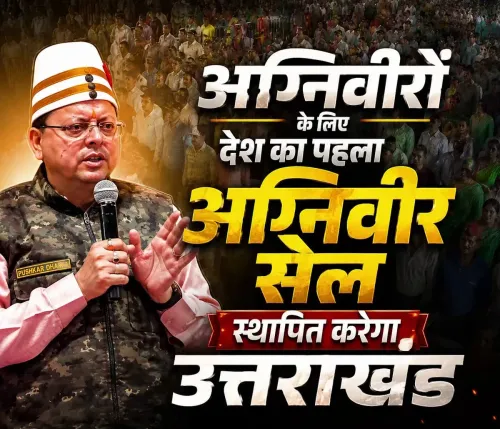
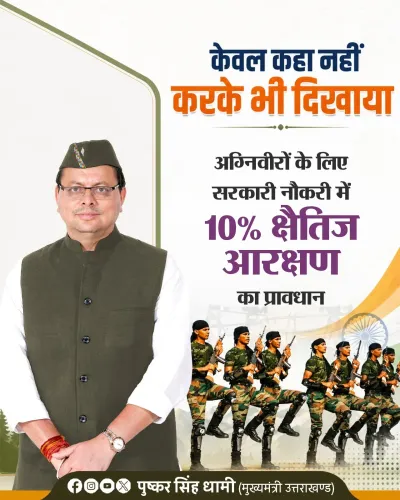
Chief Minister Pushkar Singh Dhami has confirmed that Uttarakhand has already put in place a 10 per cent horizontal reservation for Agniveers across all state government services, aiming to secure the post-tenure future of every Agniveer from the state.
Key Takeaways
10 per cent horizontal reservation has been secured for Agniveers in all Uttarakhand state government services .
The announcement was made by Chief Minister Pushkar Singh Dhami on 17 July 2026 .
Horizontal reservation cuts across all categories (general, OBC, SC, ST), giving Agniveers a defined quota within their own category.
The move follows a broader pattern of BJP-ruled states supplementing the central Agnipath scheme with local employment safeguards.
Uttarakhand has one of India's highest per-capita military recruitment rates, making Agniveer welfare a high-stakes issue in the state.
Implementation orders and recruitment advertisements will be the next key milestones to watch.
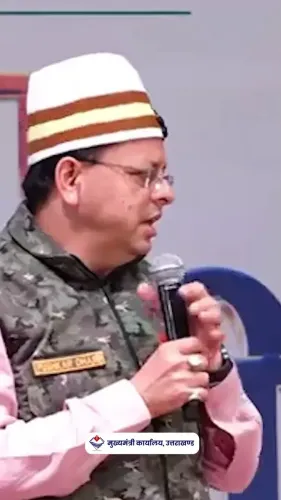
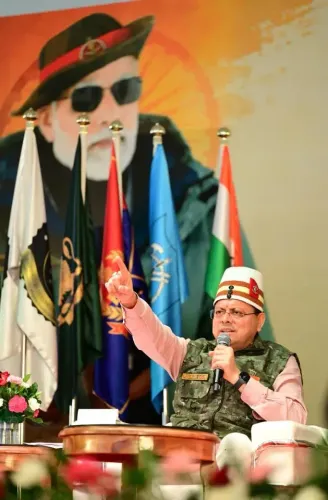
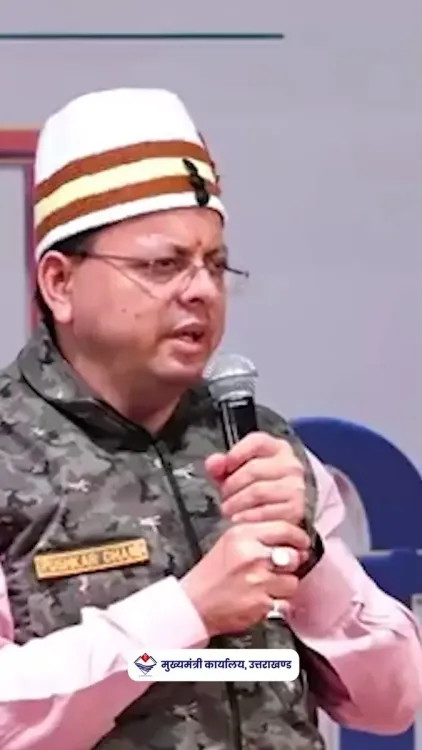
The Chief Minister's Office of Uttarakhand on Friday, 17 July 2026, quoted Chief Minister Pushkar Singh Dhami affirming that the state has already secured a 10 per cent horizontal reservation for Agniveers across all Uttarakhand government services, underscoring the administration's commitment to the post-service welfare of every Agniveer from the state.
In his statement, CM Dhami said: 'हम पहले ही अग्निवीरों के लिए राज्य की सरकारी सेवाओं में 10 प्रतिशत क्षैतिज आरक्षण की व्यवस्था सुनिश्चित कर चुके हैं।' ('We have already ensured a 10 per cent horizontal reservation in state government services for Agniveers. We have worked for the secure future of every Agniveer from Uttarakhand.')
Context
The Agnipath scheme, launched by the Government of India in June 2022, restructured armed forces recruitment by introducing a four-year short-service tenure under the 'Agniveer' designation, with only a fraction of recruits absorbed into permanent service thereafter. The scheme triggered widespread protests, particularly in states with deep military recruitment traditions, raising concerns about long-term employment prospects for those completing the short tenure.
Uttarakhand is among India's most defence-oriented states, with a per-capita military enlistment rate that is among the highest in the country. The state has historically supplied a significant share of recruits to the Garhwal Rifles, Kumaon Regiment, and other units, making Agnipath's rehabilitation provisions a politically and socially sensitive issue here.
Policy Backdrop
A horizontal reservation differs from vertical (category-based) reservations: it cuts across all existing categories — general, OBC, SC, ST — ensuring that eligible Agniveers compete within their own category while a fixed proportion of total vacancies is earmarked for them. By setting this at 10 per cent, Uttarakhand is signalling a structured, rule-bound pathway rather than an ad hoc preference.
Several BJP-governed states have rolled out similar measures — including age relaxations and reservation provisions in police and other state services — as a supplementary safety net to the central scheme. Uttarakhand's announcement aligns with this broader pattern of state governments reinforcing central defence reforms with local employment guarantees, addressing rehabilitation concerns head-on.
Stakeholders and Impact
The direct beneficiaries are Uttarakhand domicile Agniveers who complete their four-year tenure with the Indian Armed Forces. For them, the 10 per cent horizontal quota opens a defined channel into state government departments — police, revenue, forest, and other services that recruit through state public service commissions and direct recruitment boards.
Families of serving and prospective Agniveers, particularly in Garhwal and Kumaon hill districts where military service is a generational tradition, stand to gain the most. The move also carries political weight for the Dhami government, as it demonstrates responsiveness to a constituency that felt exposed by the original Agnipath design.
What's Next
The immediate watch-point is the issuance of formal implementation orders and gazette notifications that operationalise the 10 per cent horizontal reservation across individual Uttarakhand government departments. Recruitment advertisements from state bodies will be the first tangible evidence of the policy being put into practice.
If Uttarakhand's framework proves effective, it could serve as a template for other hill states with comparable military recruitment profiles. The broader implication is that state-level supplementation of Agnipath may become a standard feature of the scheme's national rollout, effectively creating a two-tier safety net — central and state — for India's short-service defence recruits.
Point of View
The Dhami government insulates itself from the political fallout of a central policy while simultaneously positioning Uttarakhand as a model for Agniveer welfare. The move fits a wider BJP state-government playbook of cushioning contentious central reforms with local safeguards. The real test, however, will be in implementation: whether the reservation is embedded in actual recruitment rules and enforced across departments, or remains a declaratory commitment.
NationPress
17 Jul 2026
Frequently Asked Questions
What is the 10% horizontal reservation for Agniveers in Uttarakhand?
Uttarakhand has reserved 10 per cent of vacancies in all state government services for Agniveers on a horizontal basis, meaning the quota applies across all existing categories — general, OBC, SC, ST — giving Agniveers who complete their four-year tenure a defined pathway into state employment.
Who are Agniveers and what is the Agnipath scheme?
Agniveers are recruits inducted into the Indian Armed Forces under the Agnipath scheme , launched by the Government of India in June 2022 . The scheme offers a four-year short-service tenure , after which only a portion are retained permanently, with the rest returning to civilian life.
Which states have given reservations to Agniveers in government jobs?
Several BJP-governed states have introduced reservations or age relaxations for Agniveers in state services such as police and revenue departments. Uttarakhand's 10 per cent horizontal reservation is among the more structured such provisions announced at the state level.
What does CM Dhami's announcement mean for Uttarakhand's Agniveers?
For Uttarakhand domicile Agniveers completing their four-year tenure, the announcement means a guaranteed 10 per cent share of vacancies in state government departments will be reserved for them, improving their post-service employment prospects significantly.
When will the Uttarakhand Agniveer reservation be implemented?
The policy has been declared by CM Pushkar Singh Dhami , but the next concrete steps are formal implementation orders and gazette notifications from the state government, followed by recruitment advertisements that reflect the 10 per cent horizontal quota in practice.