CM Dhami: Congress Stalled Border Dev, Modi Changed the Game
Synopsis
Uttarakhand CM Pushkar Singh Dhami charged Congress with blocking border-area development out of fear of the enemy, contrasting that record with PM Modi's post-2014 infrastructure push through programmes like Vibrant Villages and expanded Border Roads Organisation projects in Himalayan frontier districts.
Key Takeaways
CM Pushkar Singh Dhami alleged on 6 November 2026 that Congress stalled border-area infrastructure out of fear of provoking an enemy.
He credited PM Narendra Modi with delivering 'unprecedented' infrastructure development in frontier regions since 2014 .
The Vibrant Villages Programme , launched in 2022-23 , directly targets border villages in Himalayan states including Uttarakhand with roads, housing, and livelihood support.
The Border Roads Organisation (BRO) has significantly expanded its project footprint in Himalayan states post-2014, building all-weather roads in previously isolated frontier zones.
Uttarakhand's border areas share boundaries with both China and Nepal , making frontier development both a welfare and a strategic priority.
The statement forms part of routine BJP–Congress political exchanges on border development and national security credentials.
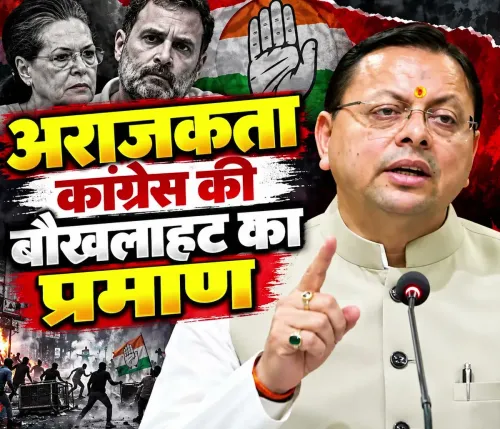
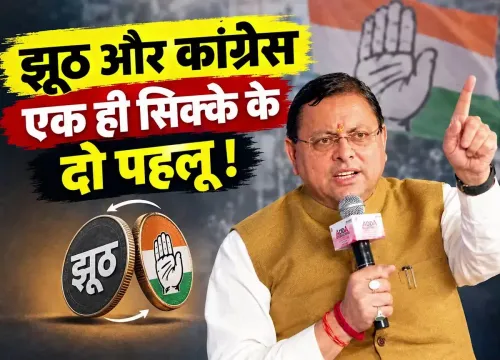
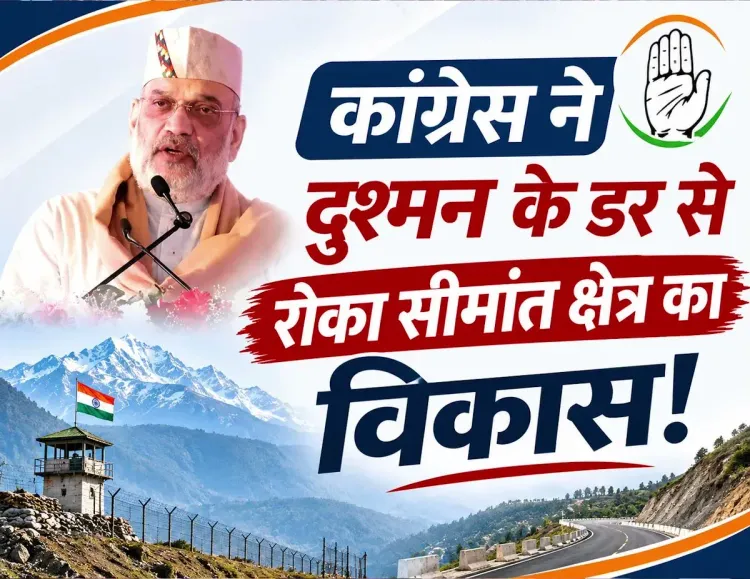
A sharp political charge was fired at the Congress on Friday, 6 November 2026, when Uttarakhand Chief Minister Pushkar Singh Dhami accused the opposition of deliberately halting infrastructure development in India's border regions — driven, he alleged, by a fear of provoking the enemy. In the same breath, Dhami credited Prime Minister Narendra Modi with turning that neglect into an era of 'unprecedented' frontier development.
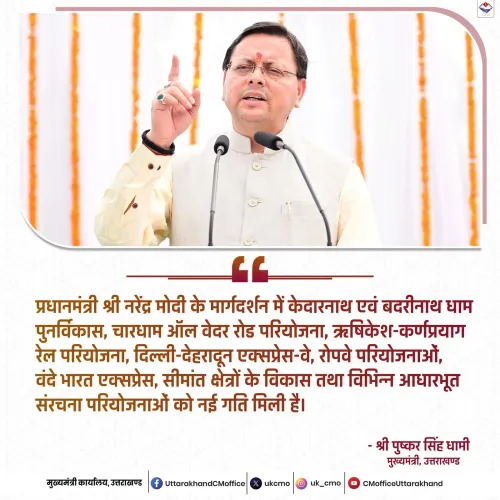
Posting on X, Dhami wrote: 'Kांग्रेस ne dushman ke dar se seemant kshetron ke vikas ko rokne ka kaam kiya' — 'Congress, out of fear of the enemy, worked to stall the development of border areas. Today, under the able leadership of respected Prime Minister Shri Narendra Modi ji, unprecedented infrastructure has been built in border regions.'
The 'Fear of the Enemy' Charge
Dhami's framing is pointed: he is not merely accusing Congress of neglect but of a strategic choice — that geopolitical anxiety became an excuse to leave frontier villages under-served for decades. The claim speaks to a long-running fault line in Indian border policy, where, until 2014, construction near sensitive boundaries — particularly along Uttarakhand's borders with China and Nepal — was often deferred over fears that better roads could aid an adversary's advance as much as a defender's.
The post follows a familiar BJP playbook of holding the Congress-era record up against post-2014 outcomes. Border villagers and defence strategists have for years debated whether the 'denial of infrastructure' doctrine made tactical sense — or simply condemned communities on the frontier to poverty and outmigration.
Vibrant Villages and the Border Roads Push
The policy shift Dhami is celebrating has real institutional form. The Vibrant Villages Programme, launched in 2022-23, specifically targets border villages in Himalayan states — including those in Uttarakhand — with road connectivity, housing, tourism infrastructure, and livelihood support. The programme is designed to reverse the demographic hollowing-out of frontier communities, which weakens both the social fabric and the country's strategic depth.
Alongside it, the Border Roads Organisation (BRO) has significantly expanded its project portfolio in Himalayan states since 2014, constructing all-weather roads and tunnels in terrain that had been left to seasonal tracks for generations. The twin push — central schemes and BRO muscle — represents the architecture behind the 'unprecedented infrastructure' claim.
The Broader BJP–Congress Border Battle
Dhami's post is part of a sustained BJP political narrative that casts the Congress as strategically timid and the present government as transformationally bold on national security infrastructure. The timing, with no specific project announcement attached, signals routine political positioning rather than a fresh policy moment. Congress has historically contested the framing, arguing that environmental sensitivities and local governance complexities — not fear — drove project timelines in ecologically fragile Himalayan zones.
The keenest watchers of this story, however, are the border villagers of Uttarakhand themselves — communities that experienced the absence of roads, power, and connectivity most directly, and who now assess whether the development now under way reaches them on the ground, not merely in political messaging.
When development reaches a country's most remote edges, it carries two meanings at once: the government is investing in its people, and it is signalling resolve along its borders. CM Dhami is betting voters — and voters in those frontier villages — will read both.
Point of View
The charge has some documentary traction — the 'denial doctrine' debate is real — but the post makes no distinction between environmental or fiscal constraints and deliberate political choices, which flattens a genuinely complex policy history. The Vibrant Villages Programme and BRO expansion give the BJP a concrete institutional record to point to, shifting the debate from rhetoric to deliverables. The political risk for the ruling side is that frontier voters, once engaged by development promises, become the most demanding auditors of whether those promises are actually fulfilled.
NationPress
6 Nov 2026
Frequently Asked Questions
What did CM Pushkar Singh Dhami say about Congress and border development?
CM Dhami alleged that Congress deliberately stalled development in India's border areas out of fear of provoking an enemy, and credited PM Modi with delivering unprecedented infrastructure in those regions since 2014.
What is the Vibrant Villages Programme mentioned in the context of border development?
The Vibrant Villages Programme, launched in 2022-23, is a central government scheme that funds roads, housing, tourism infrastructure, and livelihoods specifically in border villages of Himalayan states like Uttarakhand, aiming to reverse outmigration from frontier communities.
What role does the Border Roads Organisation play in Uttarakhand's frontier areas?
The Border Roads Organisation has expanded its project portfolio significantly in Himalayan states since 2014, constructing all-weather roads and tunnels in terrain that had previously been accessible only by seasonal tracks.
Which countries share a border with Uttarakhand?
Uttarakhand shares international borders with China to the north and Nepal to the east, making infrastructure development in its frontier districts both a humanitarian and a strategic priority.
What was India's earlier policy on building infrastructure near sensitive borders?
Before 2014, projects near sensitive northern borders were often deferred over concerns that better roads could aid an adversary's advance — a posture sometimes called the 'denial of infrastructure' doctrine, though experts also cited environmental and administrative factors.