CM Dhami Distributes Admission Letters Under Nutrition-Wellness Scheme in Dehradun
Synopsis
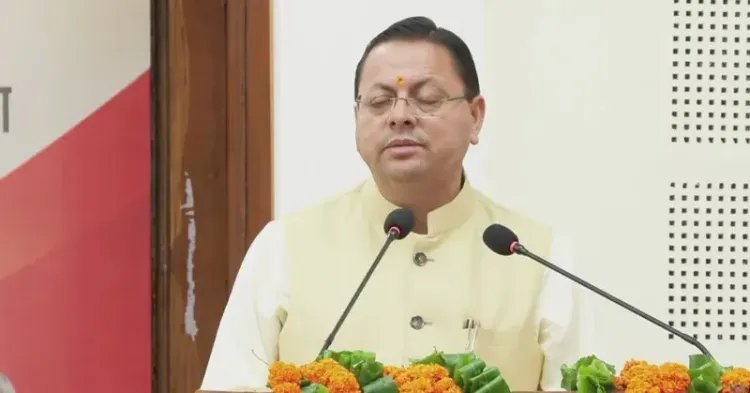
Uttarakhand CM Pushkar Singh Dhami on 23 July 2026 distributed admission letters to students selected under a state scheme combining nutrition support, free educational materials, and Ayurveda-Yoga wellness components, at a live event in Dehradun.
Key Takeaways
Uttarakhand Chief Minister Pushkar Singh Dhami presided over an admission letter distribution event in Dehradun on 23 July 2026 .
Selected students received formal entry documents under the Chief Minister Nutrition, Educational Material, Nutrition, Ayurveda, Yoga and Wellness Development Scheme .
The scheme integrates nutrition support, free educational materials, and traditional wellness practices — Ayurveda and Yoga — into a single programme.
The event was broadcast live , indicating the state government's intent to publicise the initiative widely.
Beneficiaries are school-age children across Uttarakhand ; the scheme's extension to other districts is the next key milestone to watch.
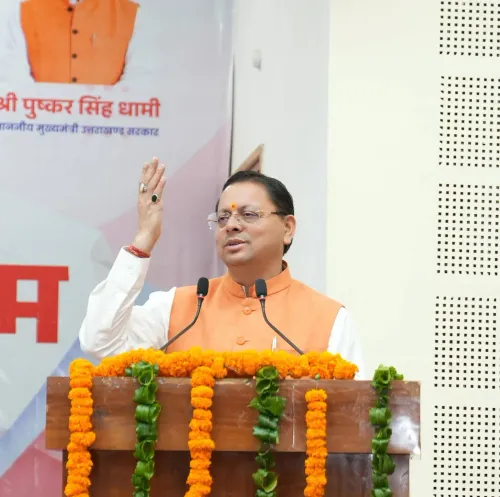
Uttarakhand Chief Minister Pushkar Singh Dhami presided over an admission letter distribution ceremony in Dehradun on Thursday, 23 July 2026, handing out entry documents to students selected under the state's integrated Chief Minister Nutrition, Educational Material, Nutrition, Ayurveda, Yoga and Wellness Development Scheme.
Context
The event, broadcast live, saw selected students receive formal admission letters (pravesha patra) confirming their enrolment in the scheme. The programme covers multiple pillars — nutrition support, provision of educational materials, and wellness components rooted in Ayurveda and Yoga — reflecting the state government's approach to child welfare as a holistic undertaking rather than a single-point intervention.
Dehradun, the state capital, served as the venue, signalling the administration's intent to give the distribution exercise a high-profile launch before rollout to other districts.
Policy Backdrop
Uttarakhand has maintained student welfare and mid-day nutrition programmes since the mid-2010s, targeting child malnutrition and improving school retention in a state where geography makes service delivery challenging. The current scheme consolidates several of those threads — nutrition, learning materials and traditional health practices — into a single umbrella framework.
The integration of Ayurveda and Yoga into a state education-welfare scheme aligns with Uttarakhand's recognised strengths in the AYUSH sector and mirrors approaches adopted by other Himalayan and BJP-governed states that have sought to blend modern nutrition science with traditional wellness systems to improve both learning outcomes and physical well-being among schoolchildren.
Stakeholders and Impact
The direct beneficiaries are school-age children across Uttarakhand who have been selected for the scheme. For these students, the admission letter marks formal access to nutritional supplements, free educational materials, and structured Yoga and Ayurveda sessions — resources that can meaningfully reduce household expenditure on schooling while addressing health deficits.
Parents, teachers, and local health workers are indirect stakeholders, as the wellness components require coordination between school administrations and state AYUSH infrastructure. District-level officials will be responsible for extending the programme beyond Dehradun in subsequent phases.
What's Next
Attention will now turn to how swiftly the scheme is extended to the remaining districts of Uttarakhand, particularly the more remote hill districts where need is highest but logistical reach is most difficult. Official data on the total number of students selected, per-district allocations, and early retention metrics are expected to emerge as the academic cycle progresses.
The Dhami government's ability to demonstrate measurable outcomes — improved attendance, reduced malnutrition indicators, and uptake of wellness sessions — will determine the political and policy durability of the scheme ahead of future budget cycles.
Point of View
Indigenous medicine, and Yoga, all of which carry strong cultural capital in Uttarakhand. By consolidating multiple welfare streams under a single chief-minister-named scheme, the administration follows a well-established pattern in BJP-governed states of attaching executive identity to grassroots delivery. The live broadcast adds a transparency dimension, but also serves as a mobilisation tool ahead of the scheme's district-level rollout. Whether the integrated model — combining schooling support with AYUSH-sector wellness — produces measurable gains in attendance and health outcomes will ultimately define the scheme's legacy.
NationPress
23 Jul 2026
Frequently Asked Questions
What is the Chief Minister Nutrition, Educational Material, Ayurveda, Yoga and Wellness Development Scheme in Uttarakhand?
It is an Uttarakhand state government scheme that provides selected school students with nutrition support, free educational materials, and wellness sessions based on Ayurveda and Yoga, aimed at improving both learning outcomes and physical well-being.
What happened at the Dehradun event on 23 July 2026?
Chief Minister Pushkar Singh Dhami distributed formal admission letters to students selected under the state's integrated nutrition and wellness scheme at a live-streamed ceremony in Dehradun.
Who are the beneficiaries of CM Dhami's wellness and nutrition scheme?
School-age children across Uttarakhand who have been formally selected under the scheme are the primary beneficiaries, receiving nutritional supplements, educational materials, and structured Ayurveda and Yoga sessions.
Why does Uttarakhand integrate Ayurveda and Yoga into student welfare schemes?
Uttarakhand has a strong AYUSH sector heritage and successive state governments have combined traditional health practices with education support to address child malnutrition and improve school retention in a cost-effective, culturally aligned way.
What should we watch for next regarding this Uttarakhand welfare scheme?
The key developments to follow are the scheme's rollout to districts beyond Dehradun, official figures on the total number of students selected, and early data on attendance and health outcomes.