CM Dhami Enacts Uttarakhand Minority Education Act, Scraps Madrasa Board
Synopsis
Uttarakhand Chief Minister Pushkar Singh Dhami declared the Uttarakhand Minority Education Act in force from 1 July 2026, ending the separate Madrasa Education Board Act and Arabic-Persian madrasa recognition rules, replacing them with a unified, transparent framework for all minority institutions.
Key Takeaways
The Uttarakhand Minority Education Act came into force on 1 July 2026 , as announced by CM Pushkar Singh Dhami .
The Madrasa Education Board Act and non-government Arabic-Persian madrasa recognition rules stand simultaneously abolished.
A unified, transparent recognition system will now apply to all minority educational institutions in Uttarakhand .
The reform is framed as aligned with PM Narendra Modi 's vision and the principles of the National Education Policy 2020 .
The move follows similar madrasa regulatory overhauls in other BJP -governed states since 2017 .
The state government's next steps include issuing recognition process notifications ahead of the 2026-27 academic session.
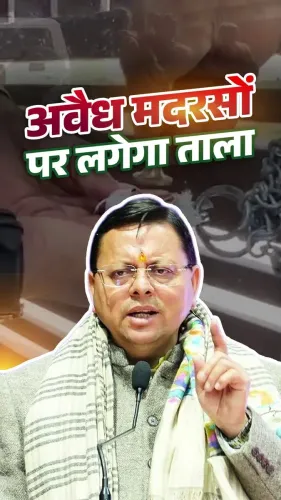
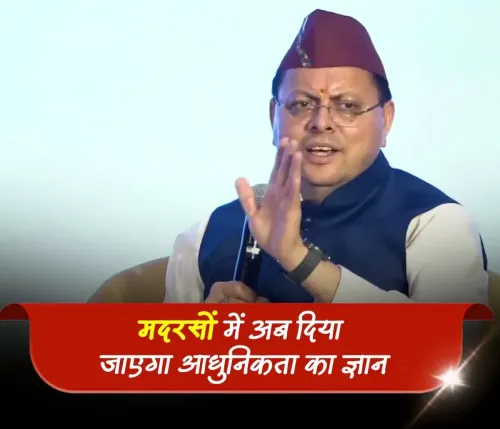
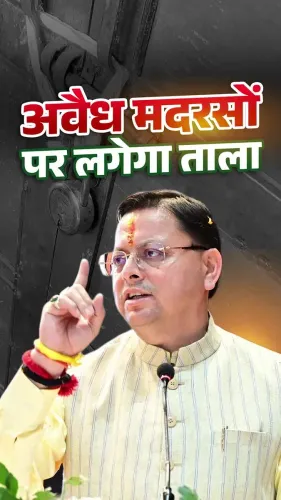
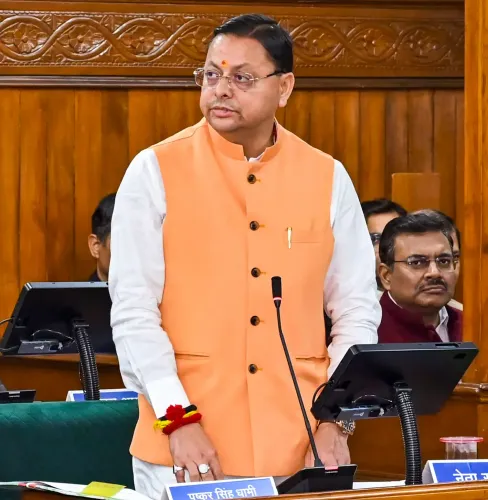
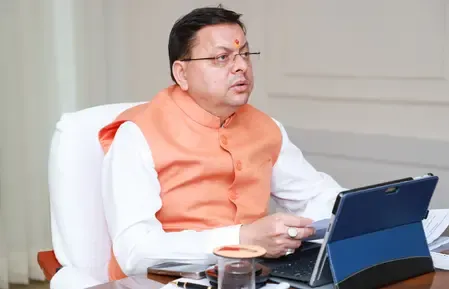
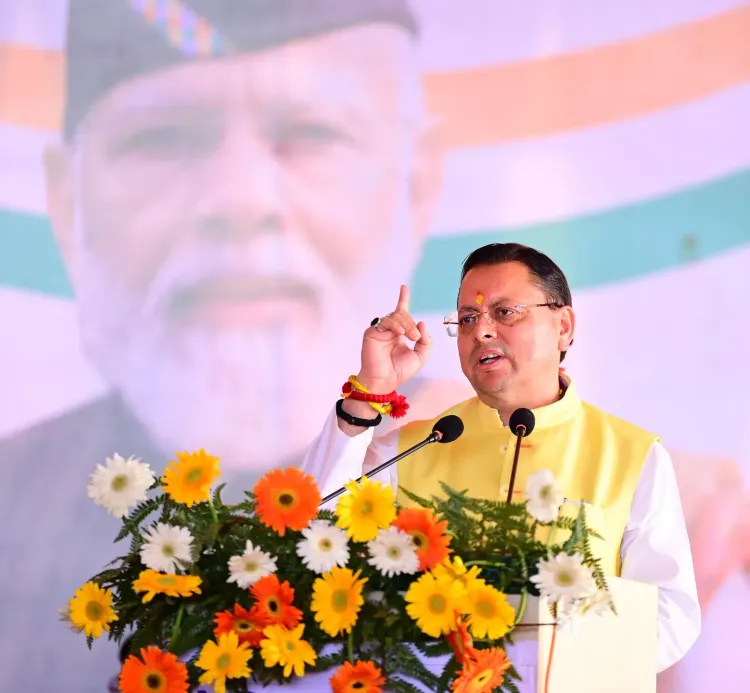
Uttarakhand Chief Minister Pushkar Singh Dhami announced on Wednesday, 1 July 2026 that the Uttarakhand Minority Education Act has come into force, simultaneously abolishing the state's Madrasa Education Board Act and the rules governing recognition of non-government Arabic-Persian madrasas.
Context
In his post on X, CM Dhami addressed the people of the state directly: 'आज से उत्तराखण्ड अल्पसंख्यक शिक्षा अधिनियम प्रभावी हो गया है' ('From today, the Uttarakhand Minority Education Act has come into effect'). He stated that the Madrasa Education Board Act and the non-government Arabic-Persian madrasa recognition rules stand abolished with immediate effect. The announcement marks a significant structural shift in how Uttarakhand regulates minority educational institutions.
Dhami attributed the reform to the guidance of Prime Minister Narendra Modi, framing it as part of a broader commitment to building an education system that is 'modern, transparent, quality-driven, accountable, and rooted in nation-building values.'
Policy Backdrop
The new law replaces a separate regulatory architecture for madrasa institutions with a unified recognition framework applicable to all minority educational institutions in the state. Uttarakhand, governed by the BJP since 2017, has aligned its education reforms with the principles of the National Education Policy (NEP) 2020, which the Union Cabinet approved to promote modern, multidisciplinary, and value-based education across all communities.
The move follows a broader pattern in BJP-ruled states of dismantling separate madrasa regulatory bodies in favour of consolidated minority education frameworks. Uttar Pradesh and other states have pursued similar integration efforts since 2017, seeking to bring traditional institutions in line with contemporary academic standards and mainstream curricula.
Stakeholders and Impact
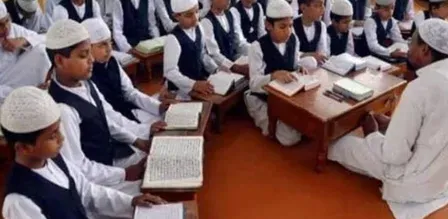
The reform directly affects minority students currently enrolled in madrasa institutions across Uttarakhand, as well as madrasa administrators who will now operate under the new unified recognition system. CM Dhami emphasised that the new framework will ensure 'equal and transparent recognition' for all minority teaching institutions, removing what the government characterises as a parallel and less accountable regulatory track.
In his post, Dhami articulated the government's goal: that the state's children be empowered through 'modern education, science, technology, skills, and Indian values' to contribute meaningfully to a developed Uttarakhand and a developed India. Critics of similar reforms in other states have raised concerns about the continuity of traditional religious instruction and the transition support available to affected students and teachers.
What's Next
The state government is expected to issue detailed notifications outlining the new recognition process under the Uttarakhand Minority Education Act, including timelines for existing institutions to seek fresh accreditation. The impact on enrolments and institutional operations will likely become clearer during the 2026-27 academic session. Observers will watch whether the state provides transitional support mechanisms for students and staff currently within the madrasa system.
Point of View
Extending a pattern that has defined BJP education policy across multiple state governments since 2017. By framing abolition as a move toward transparency and quality rather than targeting a community, the Dhami government positions the reform within the mainstream NEP 2020 narrative, making it harder to contest on purely communal grounds. The political calculus is clear: the move reinforces the BJP's 'one nation, one standard' education messaging ahead of future electoral cycles in Uttarakhand. The real test will be whether the new unified framework delivers on its promise of equal treatment or becomes a mechanism that disadvantages minority institutions in practice.
NationPress
1 Jul 2026
Frequently Asked Questions
What is the Uttarakhand Minority Education Act?
The Uttarakhand Minority Education Act is a new state law that came into force on 1 July 2026, replacing the earlier Madrasa Education Board Act and creating a single, unified recognition framework for all minority educational institutions in Uttarakhand.
Has the Uttarakhand madrasa board been abolished?
Yes. The Madrasa Education Board Act and the rules governing recognition of non-government Arabic-Persian madrasas in Uttarakhand were abolished when the new Minority Education Act took effect on 1 July 2026.
What happens to students currently studying in madrasas in Uttarakhand?
Existing madrasa institutions will need to seek recognition under the new unified framework. The state government is expected to issue detailed notifications on the transition process; the impact on student enrolments will become clearer during the 2026-27 academic session.
Which other states have abolished their madrasa boards?
Several BJP-governed states, including Uttar Pradesh, have pursued similar reforms integrating madrasa institutions into mainstream education frameworks since 2017, though the specific legal mechanisms differ by state.
What did CM Dhami say about the new education law?
CM Dhami said the new act will ensure a 'equal and transparent recognition system' for all minority institutions and reaffirmed the government's commitment to equipping students with modern education, science, technology, skills, and Indian values.