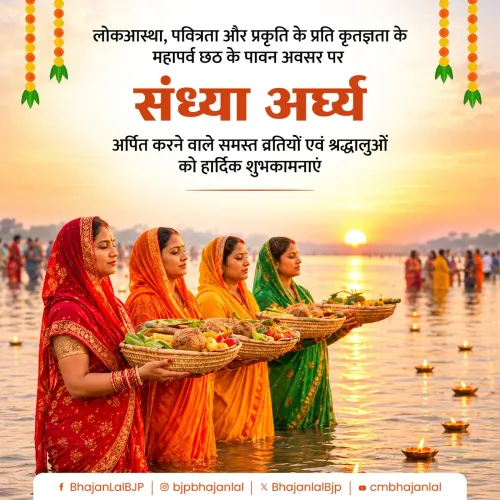
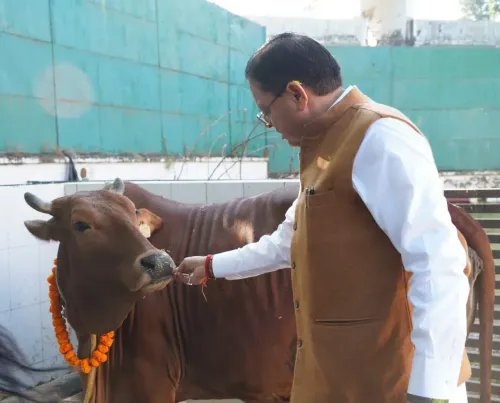
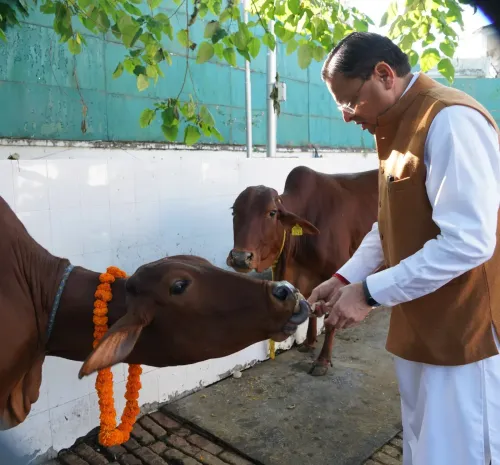
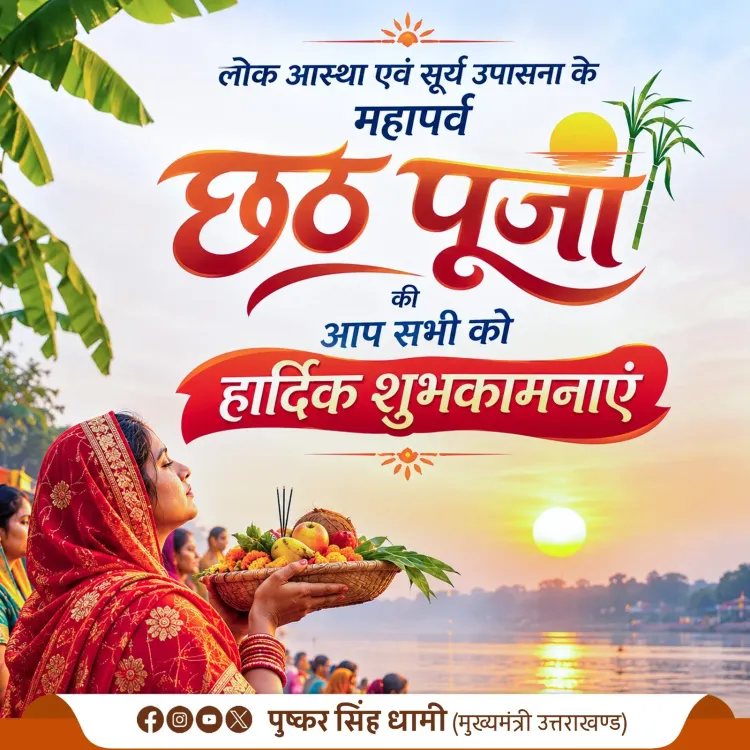
CM Dhami extends Chhath Puja greetings to Uttarakhand
Synopsis
Uttarakhand CM Pushkar Singh Dhami greeted devotees on Chhath Puja, praying to Suryadev and Chhathi Maiya for happiness, peace, prosperity, and good health across all communities.
Key Takeaways
CM Pushkar Singh Dhami extended Chhath Puja greetings on 15 November 2026 via X.
He described Chhath as a festival of 'folk faith, devotion, purity, and gratitude towards nature.' Dhami prayed for 'happiness, peace, prosperity, and good health' for all devotees.
Chhath Puja is a Vedic solar festival involving ritual offerings to the Sun God at riverbanks at dawn and dusk.
The festival holds special significance for Uttarakhand's sizeable Purvanchali migrant community in cities like Haridwar and Roorkee .
As the first rays of the sun became the centrepiece of one of Hinduism's most visually arresting festivals, Uttarakhand Chief Minister Pushkar Singh Dhami extended warm greetings to devotees observing Chhath Puja on Sunday, 15 November 2026.
In his message on X, CM Dhami described Chhath as a 'mahaparv' — a grand festival — of 'folk faith, devotion, purity, and gratitude towards nature.' He prayed to Suryadev (the Sun God) and Chhathi Maiya that the occasion bring 'happiness, peace, prosperity, and good health' to all, while carrying 'new energy, positivity, and well-being' into every home.
A festival rooted in sun, water, and gratitude
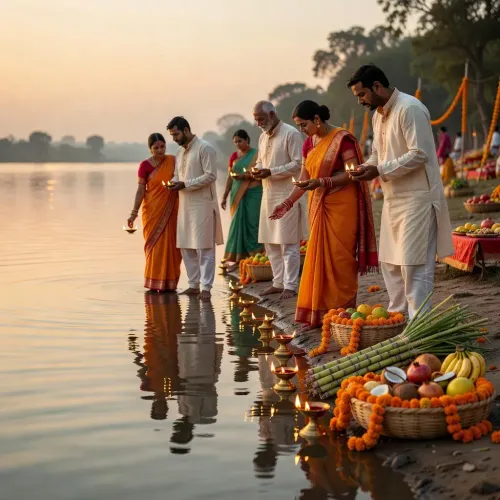
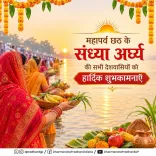
Chhath Puja is among the most ancient Vedic observances still practised at mass scale, centred on offering arghya — ritual water offerings — to the rising and setting sun on riverbanks and water bodies. Its defining imagery — thousands of devotees standing waist-deep in rivers at dusk and dawn, holding bamboo wicker baskets piled with seasonal fruit and sugarcane — makes it one of the most photographed festivals in South Asia. Uniquely, it requires no idol or priest; the sun and water are both deity and altar.
Dhami's message and its resonance in Uttarakhand
Though Chhath has its deepest roots in Bihar, Jharkhand, and eastern Uttar Pradesh, it carries enormous significance for the large Purvanchali migrant community settled across Uttarakhand, including in industrial towns like Haridwar, Roorkee, and Kashipur. For a state whose economy relies heavily on the contributions of this workforce, a Chief Minister's public acknowledgement of the festival is both culturally respectful and politically attentive. CM Dhami, a consistent communicator on religious occasions, has made outreach across community lines a visible part of his public style.
Indian state leaders routinely mark Chhath alongside Diwali, Eid, and Christmas as part of a broader calendar of inclusive governance communication — but Chhath occupies a special place given the festival's growing pan-India footprint over the past decade.
Point of View
Chhath Puja greetings have evolved from courtesy into calculated community outreach. CM Dhami's warm, nature-forward framing — emphasising gratitude to the natural world rather than purely religious devotion — signals a sensitivity to Uttarakhand's unique identity as a state that balances ecological consciousness with its religious tourism economy. This kind of multi-community calendar communication has become a consistent feature of BJP-governed state administrations, aiming to anchor cultural pluralism within a broader Hindu civilisational narrative.
NationPress
15 Nov 2026
Frequently Asked Questions
What is Chhath Puja and why is it celebrated?
Chhath Puja is an ancient Vedic Hindu festival dedicated to the Sun God (Suryadev) and Chhathi Maiya, observed to express gratitude to nature and seek blessings for health, prosperity, and longevity. Devotees offer ritual water (arghya) to the rising and setting sun at riverbanks.
What did CM Dhami say on Chhath Puja 2026?
CM Pushkar Singh Dhami extended greetings on Chhath Puja, calling it a festival of folk faith and gratitude towards nature, and prayed for happiness, peace, prosperity, and good health for all.
Is Chhath Puja celebrated in Uttarakhand?
Yes, Chhath Puja is widely celebrated in Uttarakhand, particularly by the large Purvanchali migrant community settled in industrial towns like Haridwar, Roorkee, and Kashipur.
Why do politicians issue Chhath Puja greetings?
Indian chief ministers and senior politicians issue Chhath Puja greetings to connect with the large devotee base from Bihar, Jharkhand, and eastern UP, many of whom live and work across states like Uttarakhand.
Who are Suryadev and Chhathi Maiya in Chhath Puja?
Suryadev is the Sun God — the central deity of Chhath Puja — while Chhathi Maiya is the folk goddess of the sixth day, believed to protect children and bless devotees with health and fertility.