CM Dhami Unveils Development, Faith and Farmer Welfare Push
Synopsis
The Chief Minister's Office of Uttarakhand announced on 15 June 2026 that CM Pushkar Singh Dhami has delivered a major package spanning development, religious infrastructure and farmer welfare, framing it as a 'big gift' to the Himalayan state.
Key Takeaways
The Chief Minister's Office of Uttarakhand announced a combined initiative covering development, faith infrastructure and farmer welfare on 15 June 2026 .
CM Pushkar Singh Dhami has led the state since March 2021 , consistently pursuing parallel tracks of religious-tourism infrastructure and agriculture modernisation.
The Char Dham all-weather road project , originally sanctioned in 2016 , was expanded under the Dhami government to boost pilgrimage connectivity.
The state built farmer-producer organisation and horticulture incentive programmes on top of central PM-KISAN transfers from 2022 onward.
Specific scheme names, financial outlays and timelines are yet to be officially detailed and are expected in upcoming state government communications.
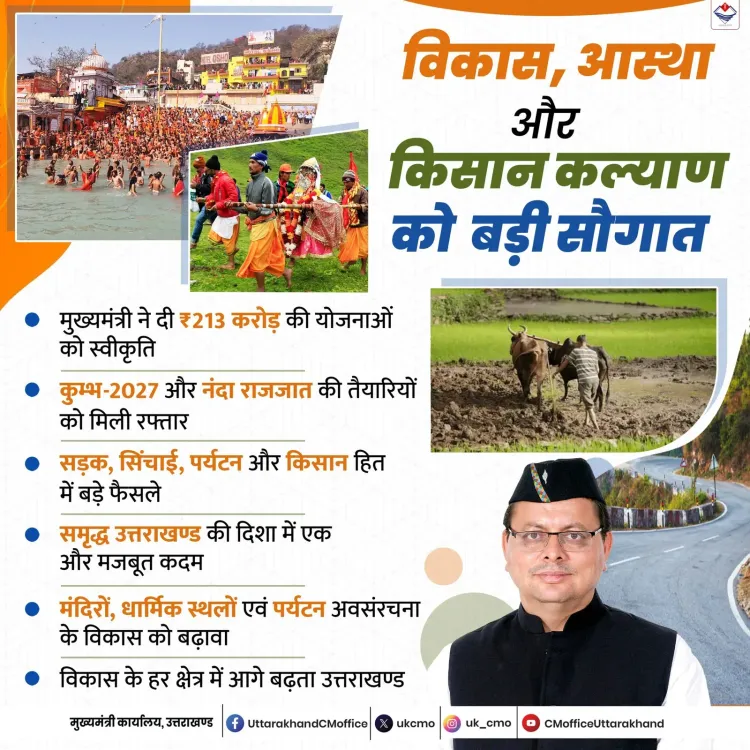
The Chief Minister's Office of Uttarakhand announced on Monday, 15 June 2026 that Chief Minister Pushkar Singh Dhami has delivered a major package of initiatives spanning development, religious infrastructure and farmer welfare — described in the official post as a 'badi saugat' (big gift) to the state.
Context
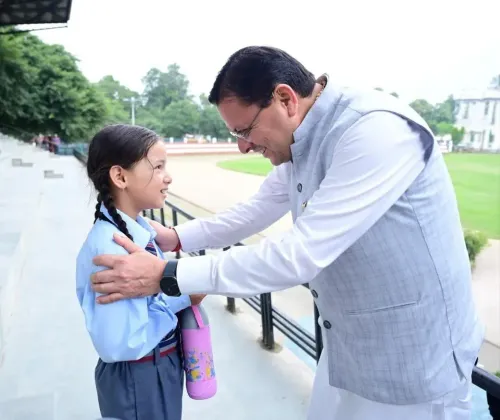
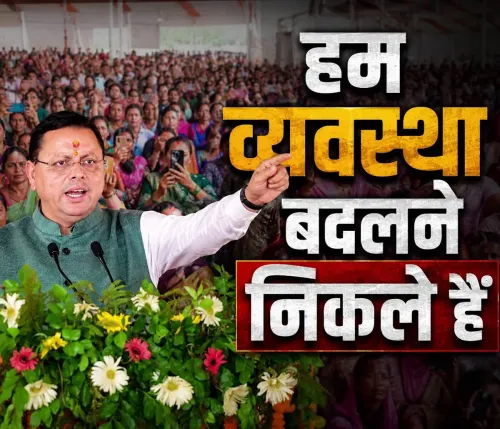
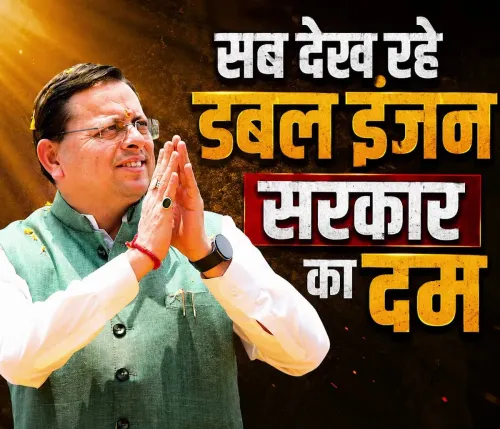
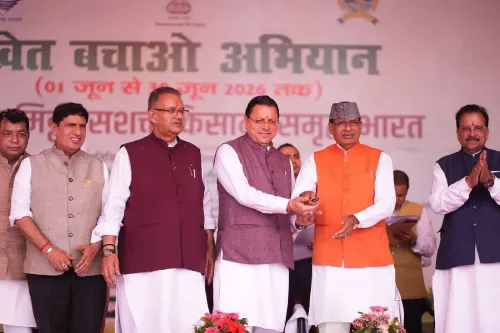
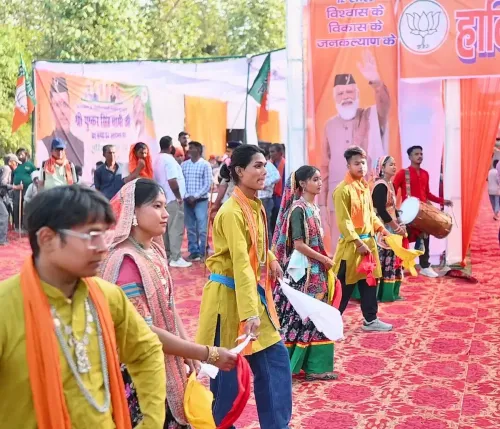
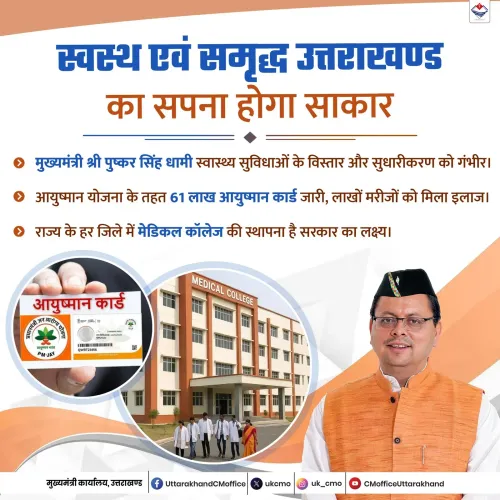
The Chief Minister's Office posted on X that under CM Dhami's leadership, Uttarakhand has received what it called a 'big gift' across three converging priorities: development, faith (aastha) and farmer welfare (kisan kalyan). The post was accompanied by an image but did not specify individual project names or financial outlays, signalling that fuller details are likely to follow through official state channels.
The framing of development, faith and agriculture as a unified package is consistent with the communication style the Dhami government has employed since taking office in March 2021.
Policy Backdrop
Uttarakhand's economy rests on three pillars — pilgrimage tourism, hill agriculture and hydropower — and successive governments have tried to address chronic out-migration by investing in all three simultaneously. The Char Dham all-weather road project, originally sanctioned in 2016, was expanded under the Dhami administration to improve connectivity to the state's most visited religious sites.
On the agriculture side, the state built on central PM-KISAN transfers from 2022 onward by launching farmer-producer organisation support and horticulture incentives aimed at boosting incomes in hill districts. The BJP has consistently framed these parallel tracks as an integrated 'development plus faith' agenda since 2017.
Stakeholders and Impact
The primary beneficiaries of this combined push are Uttarakhand's farming communities, pilgrims travelling to the Himalayan shrines, and residents of hill districts who depend on seasonal tourism and agricultural income. Any new scheme outlays or infrastructure sanctions that emerge from this announcement would directly affect livelihoods across the state's 13 districts.
Religious tourism is a particularly high-stakes sector: the Char Dham yatra draws millions of pilgrims each year, and infrastructure improvements have a multiplier effect on local hospitality, transport and retail. Farmer-welfare measures, meanwhile, address a structural challenge — the steady migration of young people from hill villages to plains cities.
What's Next
Specific project names, financial figures and implementation timelines are expected to be detailed in forthcoming state government communications, potentially tied to the next state budget or the monsoon assembly session. Observers will watch for whether the announcement translates into new scheme sanctions or is an umbrella communication covering initiatives already under way.
The broader trajectory of CM Dhami's governance agenda — balancing religious-tourism infrastructure with rural economic security — will be tested by how quickly announced benefits reach farmers and pilgrimage-corridor communities on the ground.
Point of View
Faith and farmer welfare as a single 'gift' is a deliberate political signal, bundling three vote-bank priorities — rural communities, pilgrims and the religious economy — into one headline moment. For CM Dhami, who faces the perennial challenge of reversing hill out-migration, linking infrastructure and agricultural support to religious tourism is both a policy logic and an electoral narrative. The announcement arrives mid-2026, a point in the political calendar when state governments typically accelerate visible welfare delivery ahead of budget cycles. How quickly these commitments translate into verifiable project sanctions will determine whether the 'badi saugat' framing holds beyond the news cycle.
NationPress
14 Sept 2026
Frequently Asked Questions
What did the Uttarakhand CM announce on 15 June 2026?
The Chief Minister's Office of Uttarakhand announced that CM Pushkar Singh Dhami has delivered a major package described as a 'big gift' covering development projects, religious infrastructure and farmer welfare initiatives, though specific scheme names and financial figures were not immediately disclosed.
Who is Pushkar Singh Dhami?
Pushkar Singh Dhami is a BJP leader who has served as Chief Minister of Uttarakhand since March 2021 . His government has focused on state infrastructure, pilgrimage tourism and rural welfare.
What is the Char Dham road project in Uttarakhand?
The Char Dham all-weather road project is a central government initiative originally sanctioned in 2016 to improve road connectivity to Uttarakhand's four major Hindu pilgrimage sites. The Dhami government expanded the project to further ease pilgrim access.
How does the Uttarakhand government support farmers?
The state has built on central PM-KISAN cash transfers by launching farmer-producer organisation support and horticulture incentives since 2022 , aimed at boosting incomes in hill districts and reducing out-migration.
Why does Uttarakhand focus on both religion and agriculture?
Uttarakhand's economy depends heavily on pilgrimage tourism, hill agriculture and hydropower. Investing in both religious infrastructure and farm support is a strategy to address seasonal unemployment and the long-standing problem of young people migrating from hill villages to cities.