CM Dhami: Govt Must Reach People, Not the Other Way
Synopsis
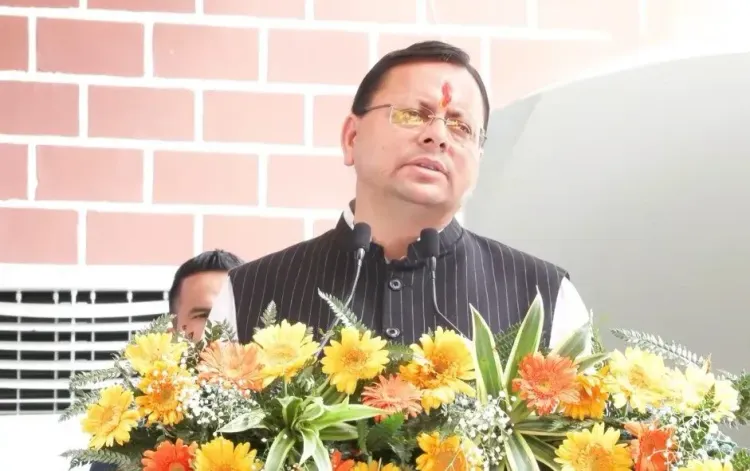
Chief Minister Pushkar Singh Dhami on 11 July 2026 reaffirmed that the Uttarakhand government will proactively reach citizens to resolve problems, removing the need for repeated visits to government offices — a push rooted in Digital India's citizen-first governance model.
Key Takeaways
CM Pushkar Singh Dhami stated on 11 July 2026 that citizens should not have to visit government offices repeatedly for routine tasks.
The government's stated goal is to take services and grievance redressal directly to the people.
Uttarakhand's remote hill terrain makes office-based service delivery especially burdensome for rural residents.
The approach aligns with the national Digital India programme launched in 2015 , which promotes online and single-window service delivery.
Key beneficiaries include rural communities, senior citizens, women-headed households, and daily-wage workers in Uttarakhand's 13 districts .
Concrete rollout — such as digital portals or district-level outreach camps — will be the measure of whether the commitment moves beyond rhetoric.
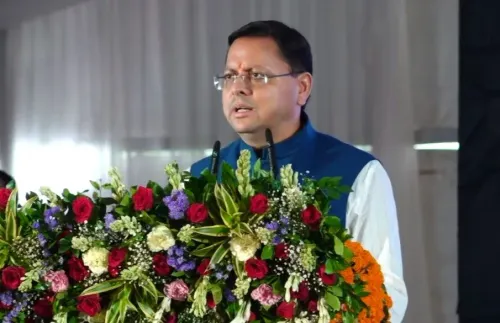
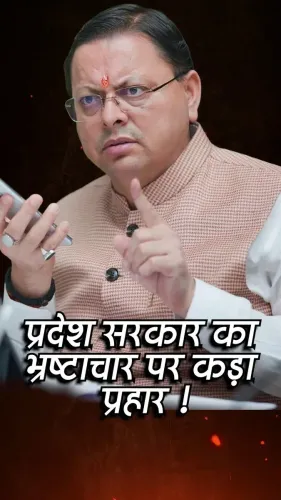
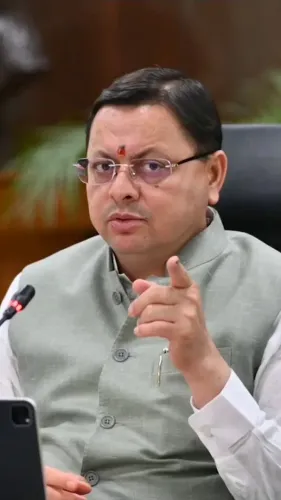
The Chief Minister's Office of Uttarakhand shared a statement by Chief Minister Pushkar Singh Dhami on Saturday, 11 July 2026, reaffirming his administration's commitment to proactive, citizen-centric governance that eliminates the need for residents to repeatedly visit government offices for routine tasks.
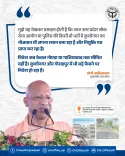
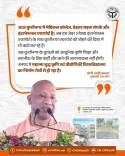
In his statement, CM Dhami said: 'Hamara prayas hai ki aam janta ko chhote-chhote karyon ke liye sarkari karyalayon ke chakkar na katne pade.' ('Our effort is that ordinary people should not have to run from pillar to post at government offices for small tasks. Our effort is that the government should reach among the people and resolve their problems.')
Context
Pushkar Singh Dhami, who has served as Chief Minister of Uttarakhand since 2021, has consistently positioned administrative reform and accessible governance as central planks of his tenure. The statement reflects a recurring theme in his public communications — that the burden of navigating bureaucracy must shift from the citizen to the state. Uttarakhand's terrain, with large stretches of remote hill districts, makes physical access to government offices a genuine hardship for a significant portion of the population.
Policy Backdrop
The push for citizen-centric delivery sits within the broader arc of Digital India, the national programme launched in 2015 that encouraged states to build online portals, single-window systems, and grievance redressal platforms. Uttarakhand has progressively aligned its e-governance frameworks with this national direction, aiming to reduce procedural friction for services ranging from land records to income certificates. Across Indian states, the mid-2010s marked a decisive shift from office-centric to doorstep-delivery models, a pattern Uttarakhand has followed in step with hill and plain neighbours alike.
The emphasis on government 'reaching the people' also resonates with district-level outreach camps and mobile service vans that several state administrations have deployed to bridge the last-mile gap — particularly relevant in Uttarakhand where road connectivity can be seasonal and unreliable in higher-altitude blocks.
Stakeholders and Impact
The primary beneficiaries of such an approach are ordinary citizens, especially those in rural and remote hill communities who face disproportionate costs — in time, money, and physical effort — when required to travel to district headquarters or block offices. Small farmers, daily-wage workers, senior citizens, and women heading households are among those most burdened by office-centric service delivery. Reducing these friction points has a direct bearing on economic productivity and trust in public institutions.
For the state administration, the shift also carries an accountability dimension: when officials are expected to go to the public rather than wait for the public to arrive, it alters the incentive structure within the bureaucracy and creates more visible benchmarks for service delivery performance.
What's Next
Observers will watch for concrete follow-through in the form of expanded digital service portals, district-level outreach camps, or mobile grievance redressal units operating under Uttarakhand's existing e-governance architecture. The statement, made in a public-facing format, sets a clear expectation that the government intends to operationalise this philosophy rather than limit it to rhetoric. Whether specific schemes or timelines are announced in the coming weeks will determine how this commitment translates into measurable change for residents across the state's 13 districts.
Point of View
It carries real weight. The state's geography has long been an amplifier of bureaucratic exclusion, making doorstep governance not merely a convenience but a structural necessity. The statement fits a pattern visible across BJP-governed states of framing administrative reform in citizen-service language, building political capital through accessibility narratives. The test will be whether this translates into measurable reductions in compliance burden for residents in the state's more remote blocks, or remains a recurring rhetorical posture.
NationPress
11 Jul 2026
Frequently Asked Questions
What did CM Pushkar Singh Dhami say about government offices in Uttarakhand?
CM Dhami said the government's effort is to ensure ordinary citizens do not have to repeatedly visit government offices for small tasks, and that the government should instead reach the people and resolve their problems directly.
How is Uttarakhand improving government services for citizens?
Uttarakhand has been aligning with the national Digital India programme to build online portals and single-window systems, and the CM has signalled further push for outreach-based service delivery to reduce office visits.
Why is doorstep governance important in Uttarakhand?
Uttarakhand's hilly and remote terrain means many residents face significant travel costs and hardship to reach district or block offices, making proactive government outreach especially critical compared to plain-state contexts.
What is Digital India and how does it relate to Uttarakhand's governance push?
Digital India is a national programme launched in 2015 to promote online delivery of government services. Uttarakhand has adopted its frameworks to reduce physical visits to offices and improve grievance redressal for citizens.
What should citizens of Uttarakhand expect next from the CM's announcement?
Citizens can watch for expanded digital service portals, mobile grievance units, or district-level outreach camps as the government moves to operationalise CM Dhami's stated commitment to citizen-centric service delivery.