CM Dhami Holds Direct Dialogue With Panchayat Representatives
Synopsis
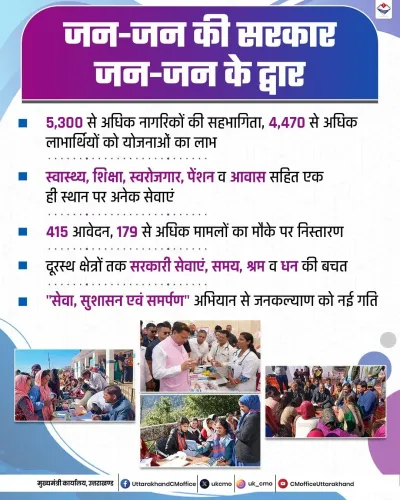
Chief Minister Pushkar Singh Dhami held a structured dialogue with elected panchayat representatives under Uttarakhand's Jan-Jan Ki Sarkar initiative on 26 May 2026, reinforcing the BJP-led state government's focus on direct grassroots outreach and last-mile welfare delivery through rural local bodies.
Key Takeaways
CM Pushkar Singh Dhami conducted a dialogue with panchayat public representatives on 26 May 2026 under the Jan-Jan Ki Sarkar initiative.
The outreach is framed as part of the Uttarakhand government's commitment to direct, accessible governance at the village level.
Uttarakhand's Panchayati Raj Institutions operate under the 73rd Constitutional Amendment Act, 1992 , covering gram, block, and zila panchayat tiers.
CM Dhami has headed the BJP-led state government since March 2021 , with periodic grassroots outreach a stated governance priority.
Follow-up district-level workshops or revised panchayat grant guidelines may emerge from the engagement.
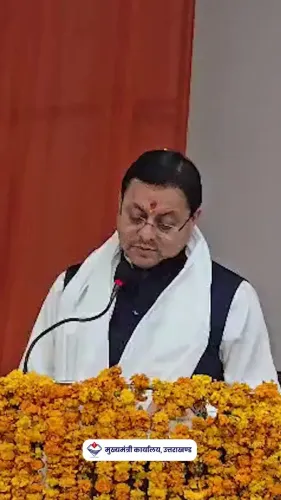
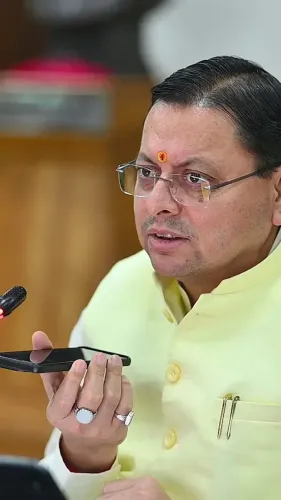
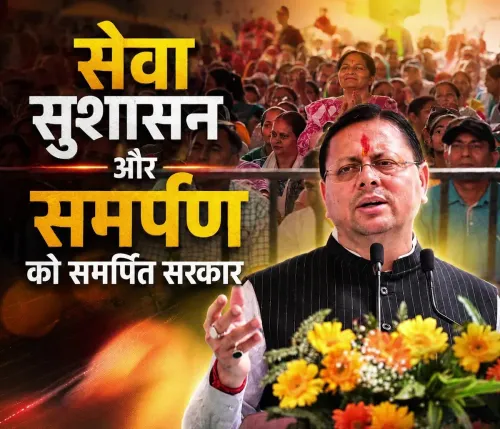
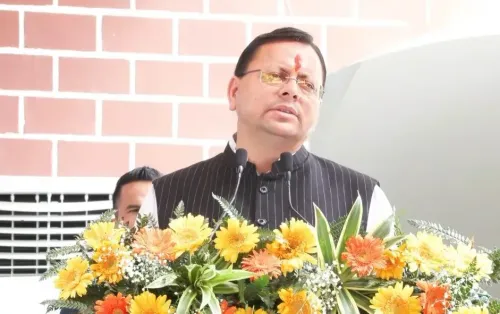
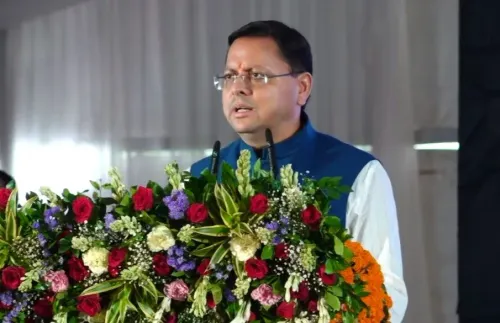
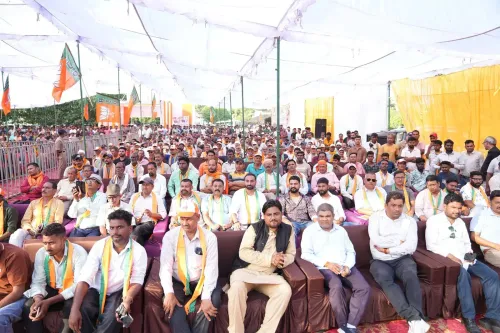
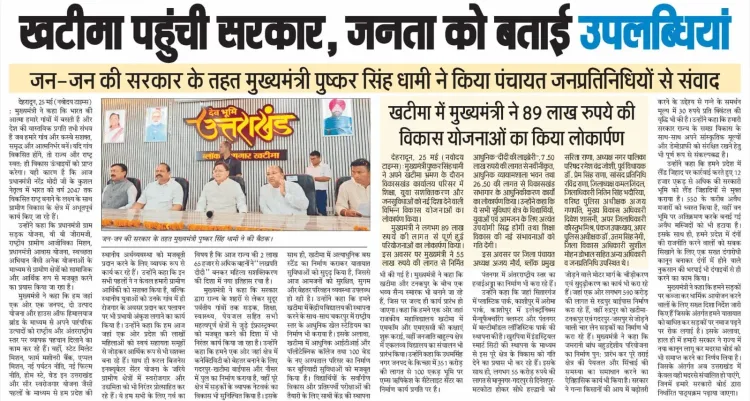
The Chief Minister's Office of Uttarakhand announced on Tuesday, 26 May 2026 that Chief Minister Pushkar Singh Dhami held a direct dialogue session with elected panchayat representatives across the state under the government's outreach initiative Jan-Jan Ki Sarkar ('Government for Every Person').
Context
The post from the official Chief Minister's Office account states that CM Dhami engaged in panchayat janpratinidhiyon se samvad — a dialogue with panchayat public representatives — under the Jan-Jan Ki Sarkar framework. The initiative reflects the state government's stated commitment to direct, accessible governance at the grassroots level.
Uttarakhand's Panchayati Raj Institutions (PRIs) form a three-tier structure of rural local bodies — gram panchayat, block panchayat, and zila panchayat — constitutionally mandated under the 73rd Constitutional Amendment Act of 1992. These bodies are responsible for village-level planning, local infrastructure, and delivery of welfare programmes.
Policy Backdrop
Since Uttarakhand's formation as a separate state in 2000, successive governments have worked to strengthen district and block-level panchayat structures, given the state's challenging hill terrain and dispersed rural population. CM Dhami, who has led the BJP-led state government since March 2021, has periodically convened outreach meetings with local body representatives to align grassroots priorities with state programmes.
Across India, direct chief-minister-level dialogues with panchayat members have emerged as a governance tool to improve last-mile delivery of schemes related to rural roads, drinking water, and employment. Uttarakhand's Jan-Jan Ki Sarkar initiative fits within this broader national pattern of bridging the gap between state policy and village-level implementation.
Stakeholders and Impact
The primary stakeholders of this dialogue are elected panchayat representatives — gram pradhans, block panchayat members, and zila panchayat members — who serve as the link between rural communities and state administration. Their direct access to the Chief Minister provides an opportunity to flag local infrastructure gaps, stalled welfare disbursements, and development priorities that may not surface through routine bureaucratic channels.
For rural communities in Uttarakhand, particularly those in remote hill districts, such high-level engagements carry significance for the pace of scheme implementation. Panchayat grants, rural connectivity projects, and employment programmes under centrally and state-sponsored schemes are often channelled through these local bodies.
What's Next
Observers will watch for follow-up measures emerging from the dialogue, including district-level workshops, revised guidelines for panchayat planning grants, or targeted announcements tied to the state budget cycle. Whether the Jan-Jan Ki Sarkar framework produces structured, recurring consultations with PRIs — rather than one-off interactions — will be a key indicator of its institutional depth.
The state government's ability to translate CM-level dialogue into actionable directives for block and district administrations will determine the on-ground impact for Uttarakhand's rural population.
Point of View
Direct outreach to local elected bodies — a tactic that simultaneously signals administrative accessibility and reinforces party networks at the grassroots. For Uttarakhand specifically, where hill geography makes last-mile delivery structurally difficult, such engagements carry practical significance beyond optics. The initiative will be judged not by the dialogue itself but by whether it produces measurable follow-through in panchayat grant disbursement and scheme implementation. In a state with assembly elections on the horizon, the political and administrative dimensions of this outreach are difficult to fully separate.
NationPress
11 Oct 2026
Frequently Asked Questions
What is Jan-Jan Ki Sarkar in Uttarakhand?
Jan-Jan Ki Sarkar ('Government for Every Person') is a governance outreach initiative of the Uttarakhand state government under CM Pushkar Singh Dhami, aimed at enabling direct engagement between the Chief Minister and grassroots-level elected representatives and citizens.
Why did CM Dhami meet panchayat representatives?
CM Dhami held a dialogue with panchayat representatives to facilitate direct communication between the state government and rural local body leaders, allowing grassroots priorities on infrastructure, welfare, and development to be heard at the highest level.
What are Panchayati Raj Institutions in Uttarakhand?
Uttarakhand's Panchayati Raj Institutions are a constitutionally mandated three-tier system of rural local bodies — gram panchayat, block panchayat, and zila panchayat — established under the 73rd Constitutional Amendment Act of 1992 to manage village-level planning and development.
When did Pushkar Singh Dhami become Chief Minister of Uttarakhand?
Pushkar Singh Dhami became Chief Minister of Uttarakhand in March 2021 , leading the BJP-led state government with an emphasis on administrative outreach and development.
What outcomes are expected from CM Dhami's panchayat dialogue?
Potential outcomes include district-level follow-up workshops, revised guidelines for panchayat planning grants, and targeted directives for block and district administrations to accelerate scheme implementation in rural Uttarakhand.