CM Dhami Marks 11 Years of Digital India, Cites Uttarakhand Gains
Synopsis
On the eleventh anniversary of Digital India, Uttarakhand Chief Minister Pushkar Singh Dhami praised PM Modi's programme for delivering over 103 crore internet connections nationally and extending BharatNet, UPI, and DBT services to Uttarakhand's remote mountain communities and tourist destinations.
Key Takeaways
Uttarakhand CM Pushkar Singh Dhami marked the 11th anniversary of Digital India on 1 July 2026 with a post on X.
The post cited more than 103 crore internet connections in India and digital connectivity reaching approximately 2.2 lakh gram panchayats via BharatNet.
Digital India was launched by PM Narendra Modi on 1 July 2015 to build digital infrastructure and enable e-governance.
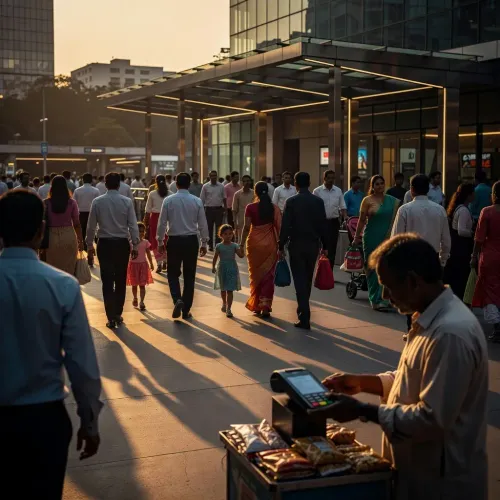
CM Dhami highlighted UPI -based payments at villages and tourist sites in Uttarakhand as a ground-level outcome.
Direct Benefit Transfer (DBT) is being used to route welfare scheme funds directly into beneficiaries' bank accounts in the state.
Next phases of BharatNet and state e-governance integration will determine the programme's continued reach in remote areas.
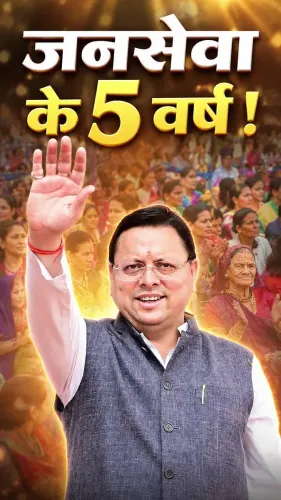
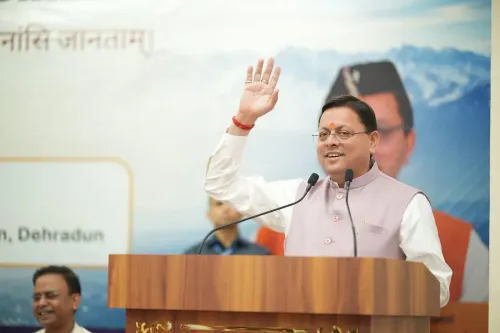
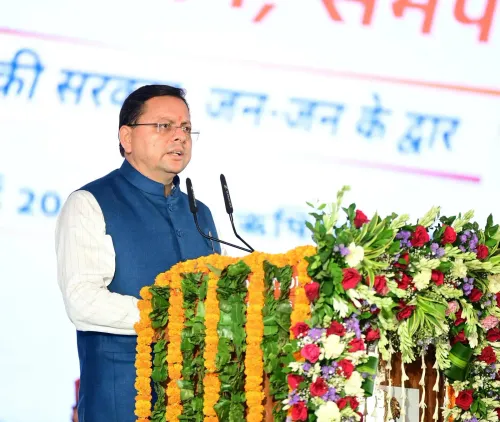
Uttarakhand Chief Minister Pushkar Singh Dhami on Wednesday, 1 July 2026 hailed the eleventh anniversary of the Digital India programme, crediting Prime Minister Narendra Modi's leadership for transforming India into a global model of digital governance and highlighting specific gains in Uttarakhand's remote mountain regions.
Context
Posting on X with the hashtag #11YearsOfDigitalIndia, CM Dhami stated that the initiative launched under PM Modi's 'visionary leadership' had, over eleven years, given India 'more than 103 crore internet connections' and extended digital connectivity to 'approximately 2.2 lakh gram panchayats' through the BharatNet project. He described India as having established a 'strong identity' in the world's largest digital ecosystem. The figures cited in the post have not been independently verified by NationPress.
The Digital India programme was formally launched on 1 July 2015 by Prime Minister Modi, making this its eleventh year. Its stated objectives were to build digital infrastructure, deliver services digitally, and promote digital literacy across the country.
Policy Backdrop
The BharatNet project, approved as early as 2011, aims to deliver high-speed broadband to every gram panchayat in the country and has been implemented in successive phases. The Unified Payments Interface (UPI), rolled out in 2016 by the National Payments Corporation of India (NPCI), underpins the cashless transaction ecosystem that CM Dhami referenced in the context of Uttarakhand's villages and tourist destinations.
The Direct Benefit Transfer (DBT) mechanism, scaled up nationally from 2014 onward, uses Aadhaar-linked bank accounts to route welfare payments directly to beneficiaries, cutting intermediaries and reducing leakages. CM Dhami noted that scheme funds are now reaching beneficiaries' bank accounts directly through DBT in Uttarakhand as well.
Stakeholders and Impact
CM Dhami specifically pointed to Devbhoomi Uttarakhand — the state's cultural designation — as a region where digital transformation has had 'widespread impact.' He cited digital services reaching 'distant mountainous areas,' UPI-enabled payments at 'villages and tourist sites,' and DBT transfers flowing into beneficiaries' accounts as concrete outcomes.
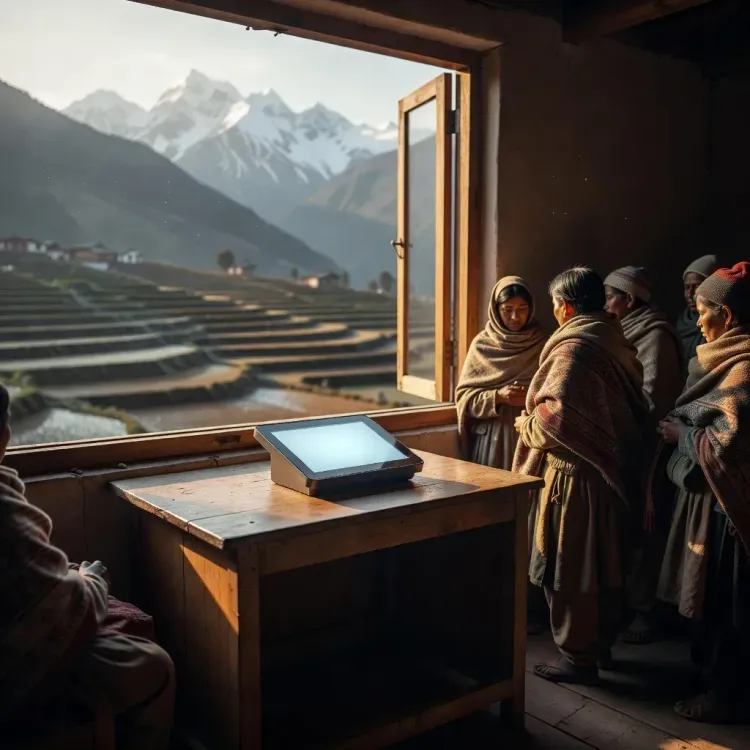
For a geographically challenging, largely rural state like Uttarakhand, connectivity infrastructure carries particular significance. Remote communities that previously lacked access to banking and government services are among the primary stakeholders, alongside the state's substantial tourism sector, which benefits from cashless payment infrastructure.
India's broader digital public infrastructure strategy — combining Aadhaar authentication, open payment APIs, and broadband expansion — has been adopted as a governance model across multiple states, with Uttarakhand representing a test case for deploying such tools in difficult terrain.
What's Next
The next phases of BharatNet implementation and deeper integration of digital tools into state-level e-governance portals will determine how far the gains CM Dhami described can be extended to the last-mile communities still outside the digital net. As Uttarakhand continues to expand its tourism economy, seamless digital payment infrastructure at remote pilgrimage and adventure-tourism sites will remain a policy priority. The Digital India anniversary provides a political moment for the ruling dispensation to benchmark progress and set targets for the programme's next decade.
Point of View
He bridges the Centre's governance narrative with state-level voter concerns. The move fits a broader BJP pattern of synchronised social-media messaging on flagship scheme anniversaries, reinforcing the party's technology-as-development brand ahead of future electoral cycles. Whether the statistics cited translate into felt improvements for Uttarakhand's last-mile communities remains the more substantive policy question.
NationPress
29 Sept 2026
Frequently Asked Questions
When was Digital India launched and by whom?
Digital India was launched on 1 July 2015 by Prime Minister Narendra Modi with the aim of transforming India into a digitally empowered society and improving e-governance across the country.
What is BharatNet and how many gram panchayats has it reached?
BharatNet is a government project to provide high-speed broadband to all gram panchayats in India, approved in 2011. CM Dhami's post states it has reached approximately 2.2 lakh gram panchayats, though this figure has not been independently verified by NationPress.
How is Digital India benefiting Uttarakhand?
According to CM Dhami, Uttarakhand has seen digital services extended to remote mountainous areas, UPI-enabled cashless payments at villages and tourist destinations, and Direct Benefit Transfer funds reaching beneficiaries' bank accounts directly.
What is Direct Benefit Transfer (DBT) and how does it work?
Direct Benefit Transfer is a mechanism introduced by the central government to send welfare subsidies and scheme funds directly into beneficiaries' Aadhaar-linked bank accounts, reducing intermediaries and minimising leakages.
Why is digital connectivity significant for Uttarakhand specifically?
Uttarakhand is a geographically challenging Himalayan state where remote terrain has historically limited access to banking and government services. Digital infrastructure enables last-mile welfare delivery and supports the state's tourism economy through cashless payment systems.