CM Dhami Hails Uttarakhand Women Leading Self-Reliance Drive
Synopsis
Chief Minister Pushkar Singh Dhami on 11 August 2026 highlighted how Uttarakhand's women are achieving self-reliance through self-help groups, homestays, horticulture, local products and technology — reflecting the state's hill-shaped rural enterprise push under the NRLM framework.
Key Takeaways
CM Pushkar Singh Dhami on 11 August 2026 credited Uttarakhand women with setting a new benchmark in self-reliance.
The statement specifically names self-help groups, agriculture, horticulture, homestays, entrepreneurship and technology as key activity areas.
Uttarakhand's SHG ecosystem draws on the national National Rural Livelihoods Mission (NRLM) , launched in 2011 .
Hill geography and tourism corridors have made homestays and horticulture distinct pillars of women's enterprise in the state.
The explicit mention of technology-based activities points to an emerging digital commerce and skilling frontier for rural SHG members.
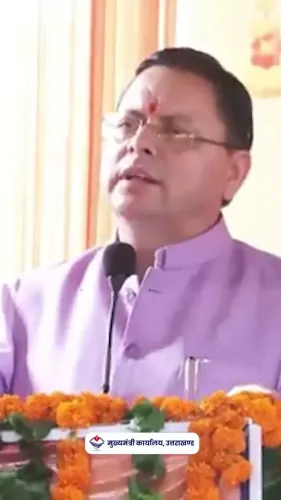
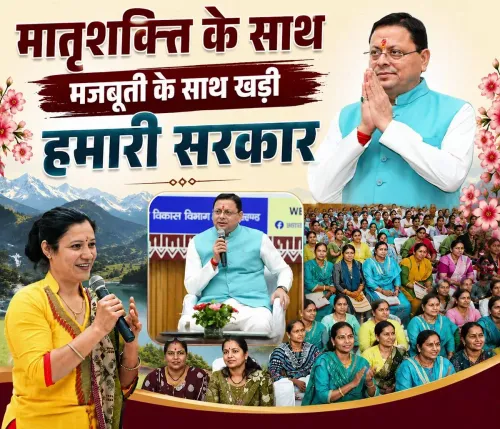
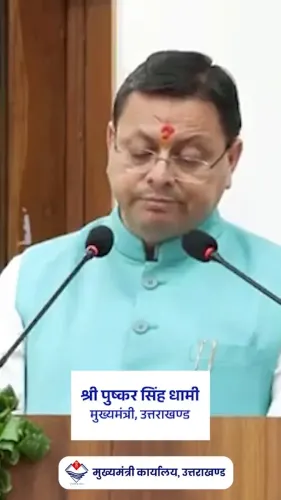
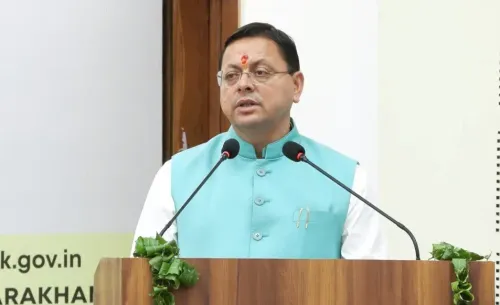
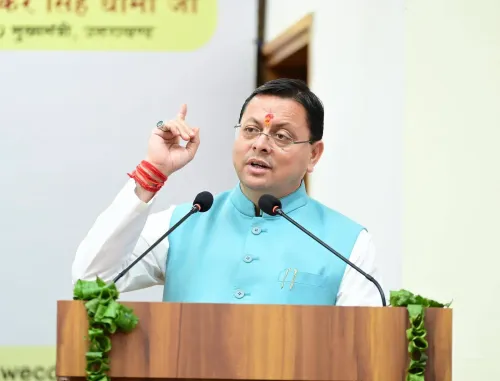
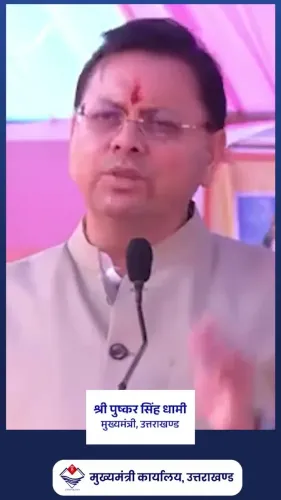
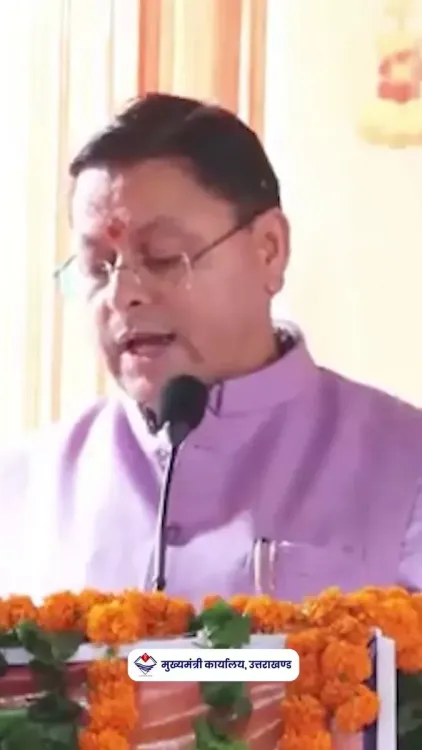
From mountain homestays to horticulture plots, the women of Uttarakhand are rewriting what rural enterprise looks like — and Chief Minister Pushkar Singh Dhami wants the country to take note. On Tuesday, 11 August 2026, the Chief Minister's Office of Uttarakhand shared a statement from CM Dhami celebrating the role of matrishakti — women's collective power — in driving self-reliance across the state's hills and valleys.
Dhami's statement, in his own words: 'Today, matrishakti [women's power] is presenting a new example of self-reliance through self-help groups, self-employment, local products, agriculture, horticulture, homestays, entrepreneurship and technology-based activities.'
SHGs at the Centre of Uttarakhand's Rural Economy
The statement places Self Help Groups (SHGs) at the heart of the state's rural livelihood strategy. These community collectives — promoted nationally under India's National Rural Livelihoods Mission (NRLM), launched in 2011 — pool savings, extend micro-credit and seed small enterprises. In Uttarakhand, the state's rugged hill geography has shaped a distinct flavour of SHG activity: local produce, orchard-linked horticulture and tourism-facing homestay ventures sit alongside more conventional crafts and micro-manufacturing.
The NRLM framework gave states a scalable architecture to build on, and Uttarakhand has leaned into it — particularly for women in remote districts where formal employment is thin and out-migration of men has historically left households dependent on women's enterprise.
Homestays, Horticulture and the Technology Angle
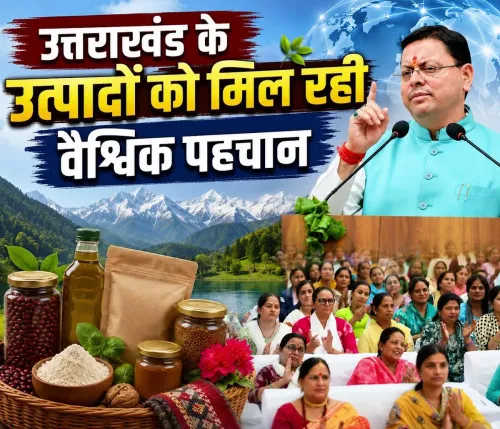
Dhami's list is deliberately broad. Homestays connect directly to Uttarakhand's growing religious and adventure tourism circuit — women-run guesthouses have emerged as a viable income stream in villages near pilgrimage routes and trekking corridors. Horticulture, especially apple, stone-fruit and herb cultivation in the higher altitudes, feeds both local markets and branded produce schemes. The explicit mention of technology-based activities signals an ambition to pull SHG members into digital commerce and skilling — a newer frontier for rural women's collectives nationwide.
Together, these sectors represent a deliberate diversification away from subsistence farming, consistent with the post-2020 national push for rural self-reliance.
The numbers behind Uttarakhand's SHG ecosystem — how many active groups, total membership, credit disbursed — will be the real test of how far this vision has translated into verifiable impact. State budget announcements and progress reports on SHG-linked homestay and horticulture schemes are the ones to watch.
Point of View
Giving the BJP government a local face for a pan-India ideological project. The breadth of sectors cited — from horticulture to technology — suggests an attempt to claim credit across multiple existing scheme streams rather than announce a new one. The real watch-point is whether this rhetorical embrace is backed by measurable SHG credit disbursement and homestay registration data in the next state budget.
NationPress
11 Aug 2026
Frequently Asked Questions
What did CM Pushkar Singh Dhami say about women's self-help groups in Uttarakhand?
On 11 August 2026, CM Dhami stated that women of Uttarakhand are presenting a new example of self-reliance through self-help groups, self-employment, local products, agriculture, horticulture, homestays, entrepreneurship and technology-based activities.
What is the National Rural Livelihoods Mission and how does it relate to Uttarakhand?
The National Rural Livelihoods Mission (NRLM), launched in 2011, promotes women's self-help groups for savings, credit and micro-enterprises across India. Uttarakhand uses this framework to support rural women's collectives in farming, horticulture and homestay ventures suited to its hill geography.
How are Uttarakhand women using homestays for income?
Women-run homestays have emerged as a viable income stream near Uttarakhand's pilgrimage routes and trekking corridors, connecting rural households directly to the state's growing religious and adventure tourism economy.
What sectors are Uttarakhand's women self-help groups active in?
According to CM Dhami's statement, SHG members are active in agriculture, horticulture, local product sales, homestay management, self-employment, entrepreneurship and technology-based activities.
What is matrishakti in the context of Indian rural policy?
'Matrishakti' literally means women's collective power. In Indian rural policy, it is commonly used to describe women's agency through self-help groups and community-led livelihood initiatives, particularly under NRLM-linked schemes.