CM Dhami Hands Out Clean-Fuel Subsidy Cheques Under Uttarakhand 2024 Mobility Policy
Synopsis
Chief Minister Pushkar Singh Dhami distributed capital grant subsidy cheques to 6 vehicle owners and flagged off 11 clean-fuel vehicles under the Uttarakhand Swachh Gatisheelata Parivartan Niti-2024, advancing the state's shift from diesel to CNG and electric public transport.
Key Takeaways
6 primary beneficiaries received capital grant and incentive subsidy cheques under the Uttarakhand Swachh Gatisheelata Parivartan Niti-2024 on 28 July 2026 .
Subsidy approval for 5 additional beneficiaries has already been completed by the transport department.
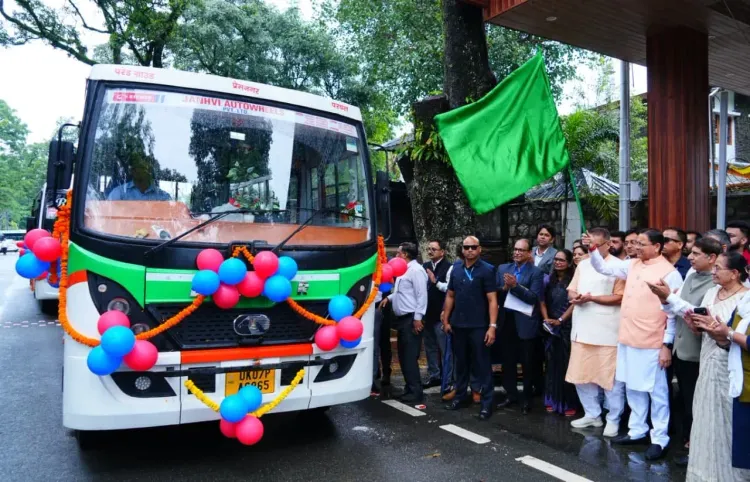
CM Pushkar Singh Dhami flagged off 11 clean-fuel vehicles at the Mukhya Sevak Sadan event.
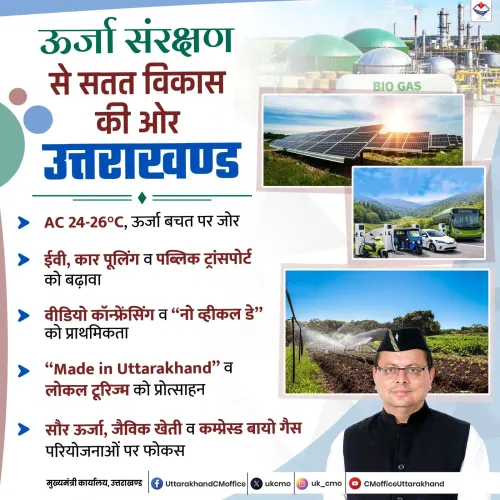
Electric bus expansion is underway in Dehradun, Haridwar, and Haldwani , alongside a statewide EV charging station rollout.
Urban ropeway and modern transit development is being fast-tracked to reduce vehicular pressure in hill areas.
The policy aligns with India's 2070 net-zero emissions target and central schemes including PM E-Bus Seva and PM Surya Ghar Yojana .
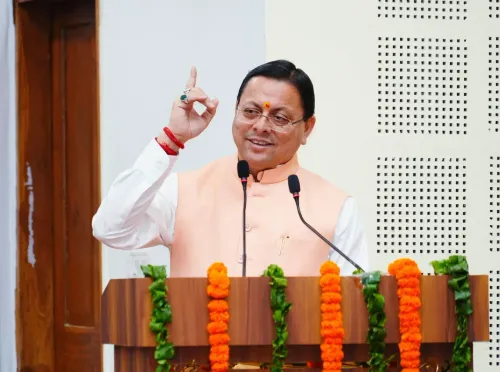
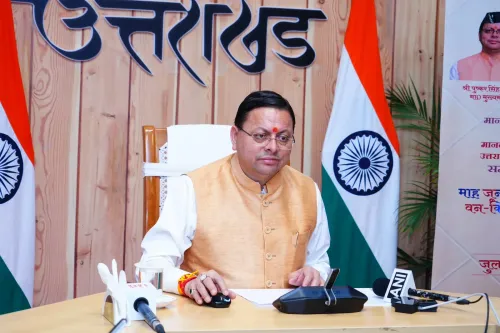
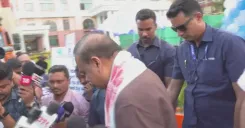
Six vehicle owners in Uttarakhand became the first beneficiaries of the state's clean-transport push on Tuesday, 28 July 2026, when Chief Minister Pushkar Singh Dhami handed them capital grant and incentive subsidy cheques at Mukhya Sevak Sadan in the Chief Minister's Camp Office — a moment the CM called not just financial aid, but a declaration of the state's environmental resolve.
The event was held under the Uttarakhand Swachh Gatisheelata Parivartan Niti-2024 (Uttarakhand Clean Mobility Transition Policy-2024). Beyond the six cheques distributed on the day, the transport department has already completed subsidy approval for 5 additional beneficiaries. Dhami also flagged off 11 clean-fuel vehicles, sending them onto Uttarakhand's roads as rolling proof of the policy's intent.
What the 2024 Mobility Policy Actually Does
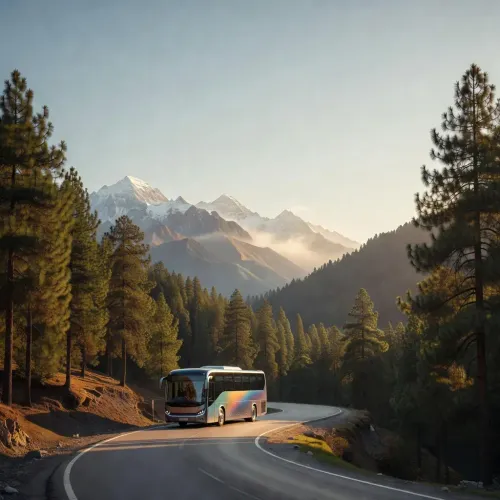
The policy targets three linked goals: making urban public transport more efficient and modern, cutting pollution from ageing diesel fleets, and actively incentivising a shift to CNG and other clean fuels. Uttarakhand's geography makes this more than a standard green-policy checkbox — the state sits in the Himalayas, where rivers including the Ganga and Yamuna originate, and where diesel exhaust in narrow mountain valleys carries outsized ecological cost.
Dhami framed the subsidy recipients as more than policy beneficiaries. 'They are the pioneers of a green transport revolution in Uttarakhand,' he said, expressing confidence that their example would encourage other vehicle operators to make the switch.
Electric Buses, Charging Stations, and Ropeways in the Pipeline
The state government is steadily expanding electric bus operations in Dehradun, Haridwar, and Haldwani — Uttarakhand's three largest urban centres — while simultaneously rolling out EV charging stations across the state to build the infrastructure backbone that clean-fuel adoption requires. Work on urban ropeways and modern transit systems is also accelerating, Dhami said, with the dual aim of easing traffic pressure and reducing vehicular pollution in hill areas where road congestion is chronic.
On solar energy, the CM cited progress under the PM Surya Ghar Yojana, noting that rooftop solar installations are being pushed rapidly across the state as part of the broader green-development agenda.
Uttarakhand's Place in India's Net-Zero Roadmap
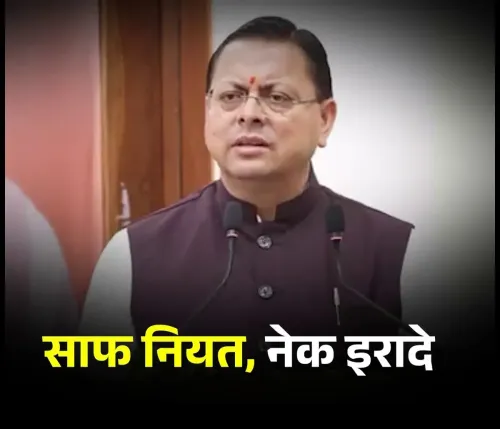
Dhami situated the state's action within India's national climate commitments, pointing to Prime Minister Narendra Modi's 2070 net-zero emissions target — announced at COP26 in Glasgow in 2021 — along with the LiFE (Lifestyle for Environment) campaign and the PM E-Bus Seva scheme as evidence of the country's direction. 'Development is meaningful only when it secures a safe and clean future for coming generations in harmony with nature,' Dhami said.
Uttarakhand's 2024 policy mirrors similar clean-mobility transitions underway in other Himalayan and hill states, where altitude, tourism traffic, and fragile ecosystems make the cost of diesel dependence especially visible. The state's push on charging infrastructure and ropeways also directly addresses terrain-specific challenges that flat-land EV playbooks do not cover.
Present at the event were Transport Minister Pradeep Batra, Cabinet Minister Ganesh Joshi, MLA Savita Kapoor, Dehradun Mayor Saurabh Thapliyal, and Transport Secretary Ravinath Raman, alongside department officials.
The next test for the policy is scale — whether the subsidy pipeline can move fast enough to pull diesel operators off the fence and whether Haridwar and Haldwani's charging networks materialise before the buses that need them.
Point of View
Using direct financial incentives to nudge private transport operators toward CNG and electric alternatives. For a hill state where diesel pollution threatens both glacial ecosystems and a tourism-dependent economy, the stakes are higher than in the plains — making the policy's execution speed more consequential than its announcement. The simultaneous push on EV charging infrastructure and ropeways signals awareness that hardware, not just subsidies, determines whether the transition sticks. Whether the state can sustain and scale this pipeline beyond the inaugural batch of 11 vehicles will be the real indicator of political commitment.
NationPress
28 Jul 2026
Frequently Asked Questions
What is the Uttarakhand Swachh Gatisheelata Parivartan Niti-2024?
It is a state policy launched by the Uttarakhand government to promote clean-fuel public transport in urban areas, reduce diesel vehicle pollution, and incentivise CNG and electric vehicle adoption through capital grants and subsidies.
Who received subsidy cheques at the Mukhya Sevak Sadan event on 28 July 2026?
6 primary beneficiary vehicle owners received capital grant and incentive subsidy cheques from CM Dhami; the transport department has also completed approval for 5 additional beneficiaries .
Which cities in Uttarakhand are getting electric buses?
The state government is expanding electric bus operations in Dehradun, Haridwar, and Haldwani , alongside a statewide rollout of EV charging stations.
How does Uttarakhand's clean mobility policy connect to India's climate goals?
The policy aligns with India's 2070 net-zero emissions target announced at COP26 and supports central schemes like PM E-Bus Seva and the LiFE campaign , positioning Uttarakhand as a state-level contributor to national climate commitments.
What role do ropeways play in Uttarakhand's transport plan?
Urban ropeways and modern transit systems are being developed to reduce vehicular congestion and pollution specifically in hill areas, where road-based traffic pressure is a distinct challenge.