CM Dhami Holds Open Grievance Session at Mukhya Sevak Sadan
Synopsis
Uttarakhand Chief Minister Pushkar Singh Dhami met residents from across the state at Mukhya Sevak Sadan in Dehradun on August 11, 2026, listening to their grievances and suggestions in a direct public hearing session.
Key Takeaways
Pushkar Singh Dhami held a public grievance session at Mukhya Sevak Sadan , Dehradun, on August 11, 2026 .
Residents from various regions of Uttarakhand attended, travelling to the Chief Minister's official residence to be heard.
Dhami described attendees as devatulya janta — 'godlike people' — underscoring a 'chief servant' governing philosophy.
Mukhya Sevak Sadan has been a regular venue for Dhami's public-facing engagements since he took office in 2021 .
Such grievance hearings are a standard practice among Indian state chief ministers to provide direct citizen access.
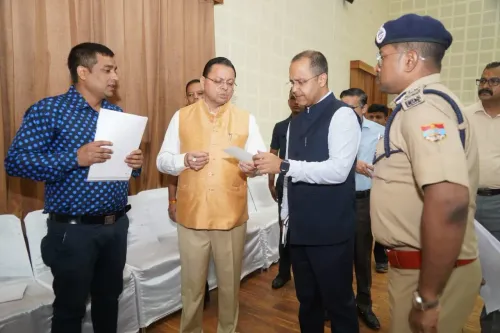
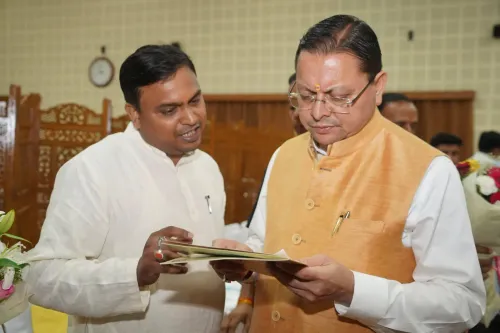
The doors of power swung open in Dehradun on Tuesday, August 11, 2026, as Uttarakhand Chief Minister Pushkar Singh Dhami welcomed residents from across the state at Mukhya Sevak Sadan — listening directly to their problems and suggestions in a public grievance meeting.
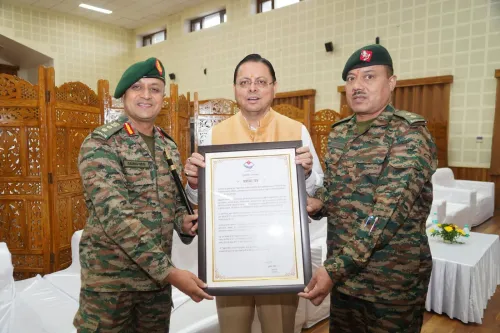
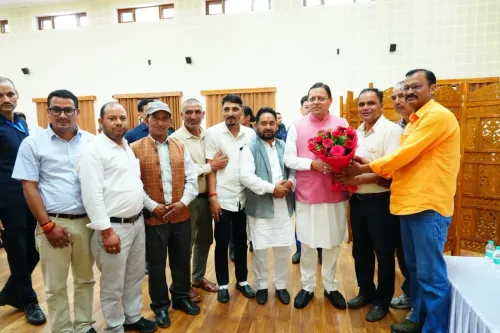
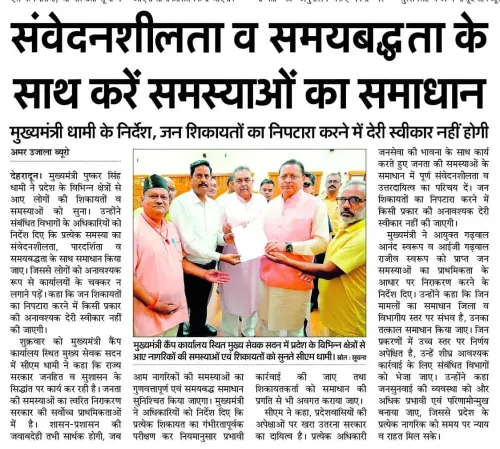
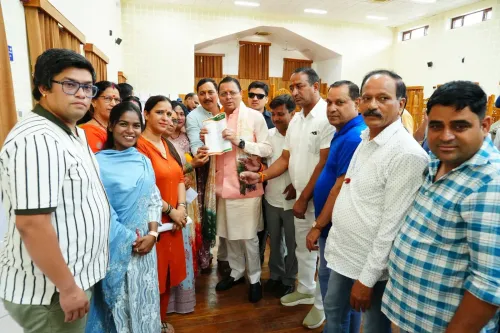
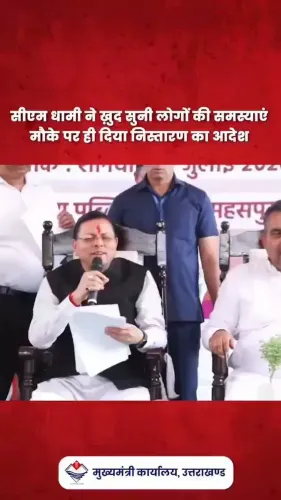
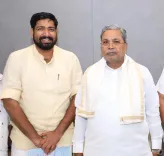
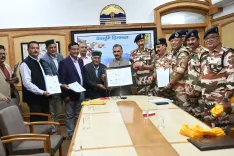
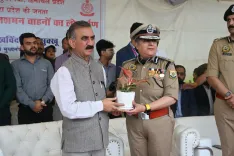
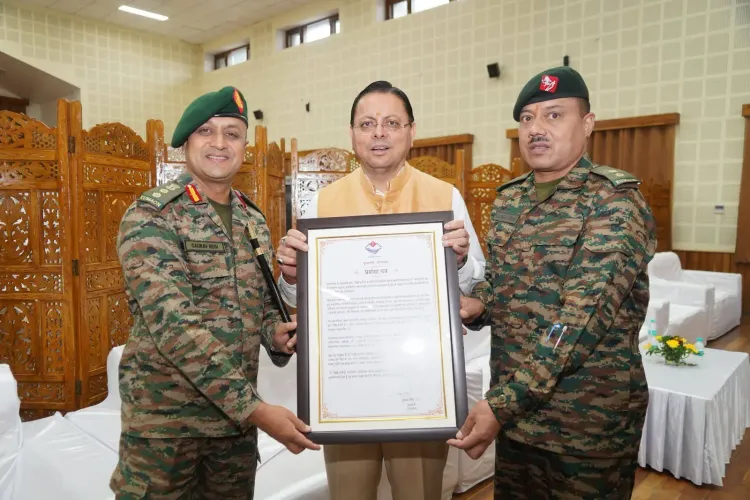
Dhami posted on X that he met with 'devatulya janta' — 'godlike people' — who had travelled from various parts of the state, describing the session as an opportunity to hear their concerns firsthand. The four photographs shared alongside the post showed the Chief Minister in direct conversation with visitors at his official residence.
The Mukhya Sevak Sadan and the Idea of Accessible Governance
Mukhya Sevak Sadan — literally 'the house of the chief servant' — is the official residence of the Uttarakhand Chief Minister in Dehradun, and its very name signals a governing philosophy: the Chief Minister as servant, not ruler. Dhami has used the venue consistently for public-facing engagements since taking office in 2021.
Public grievance hearings at official residences are a well-established practice among Indian state chief ministers, offering citizens a direct channel that bypasses bureaucratic layers. For a Himalayan state like Uttarakhand — spread across remote hill districts where administrative access can be difficult — such sessions carry particular weight for residents who travel significant distances to be heard.
Uttarakhand's Governance Landscape
Uttarakhand, carved out of Uttar Pradesh in 2000, spans terrain ranging from the Gangetic plains to high-altitude Himalayan zones. Service delivery to its dispersed population remains a persistent administrative challenge. Direct grievance access at the state's highest office offers a pressure-release valve — and a political signal — that the government is listening.
Whether Tuesday's session produces specific policy follow-through or scheme announcements remains to be watched. But the ritual of the open door, repeated regularly, is itself a governance statement: that citizens with problems have a place to bring them.
Point of View
A state with challenging terrain and dispersed constituencies, this direct-access model also serves a practical function that formal bureaucratic channels cannot always fulfil. Ahead of any electoral cycle, the frequency and visibility of such sessions will be watched as a barometer of ground-level connect. The real test, however, is whether grievances heard translate into measurable administrative action.
NationPress
11 Aug 2026
Frequently Asked Questions
What is Mukhya Sevak Sadan in Uttarakhand?
Mukhya Sevak Sadan is the official residence of the Uttarakhand Chief Minister in Dehradun, used for both residential and official duties including public grievance hearings.
What did CM Dhami do at Mukhya Sevak Sadan on August 11, 2026?
Chief Minister Pushkar Singh Dhami met residents from various parts of Uttarakhand, listening to their problems and suggestions in a direct public grievance session.
What does 'devatulya janta' mean?
'Devatulya janta' is a Hindi phrase meaning 'godlike people' or 'people worthy of reverence,' used by Dhami to describe the citizens who visited him.
How often does CM Dhami hold public grievance sessions?
Dhami has regularly conducted public grievance hearings at Mukhya Sevak Sadan since becoming Chief Minister in 2021, though specific scheduling details vary.
Why are public grievance hearings important in Uttarakhand?
Uttarakhand's mountainous terrain makes administrative access difficult for many residents; direct hearings at the Chief Minister's residence provide a channel that bypasses bureaucratic delays for citizens from remote districts.