CM Dhami Holds Outreach Meet With Uttarakhand Migrants in Mumbai
Synopsis
Chief Minister Pushkar Singh Dhami met Uttarakhand-origin migrants in Mumbai on 7 July 2026 in what the CMO described as a heartfelt dialogue. The visit continues a long-standing pattern of state government outreach to its diaspora in major Indian cities, addressing welfare, cultural ties, and development opportunities.
Key Takeaways
CM Pushkar Singh Dhami held a direct interaction with Uttarakhand migrants in Mumbai on 7 July 2026 .
The CMO described the engagement as an aatmiya samvad — a heartfelt dialogue — with pravasi Uttarakhandvasi .
Mumbai hosts one of the largest concentrations of Uttarakhand-origin migrants in India, working across services, trade, and informal sectors.
Successive Uttarakhand governments have conducted similar outreach in Delhi , Bengaluru , and other metros since the early 2010s .
Post- 2020 pandemic reverse migration accelerated the state's focus on migrant welfare and employment schemes.
A larger Pravasi Uttarakhand convention or follow-up welfare announcements are possible later in 2026 .
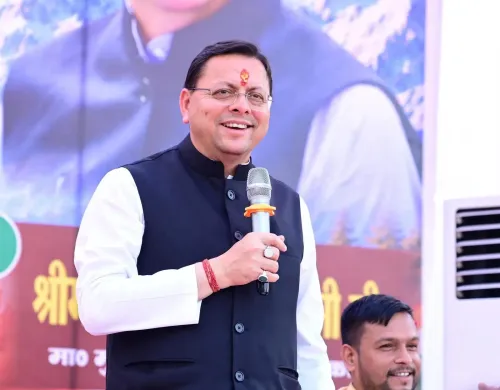
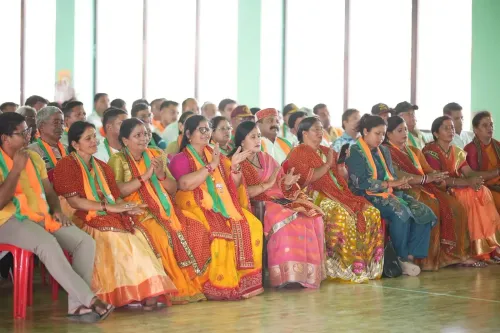
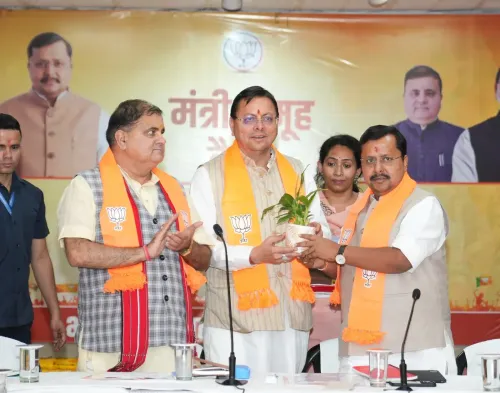
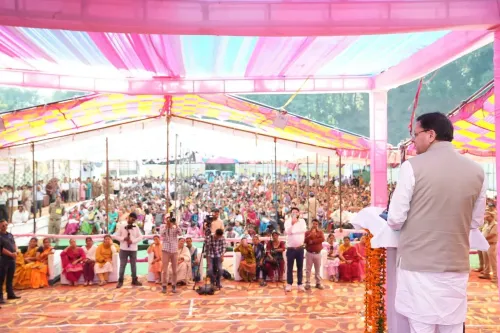
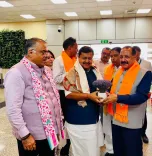
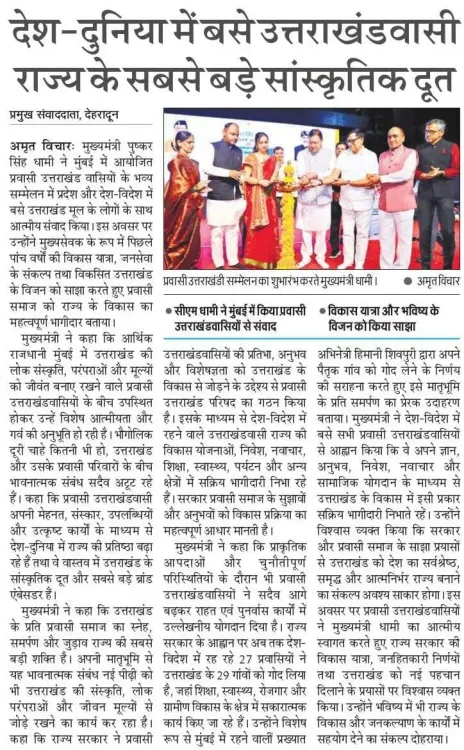
Chief Minister Pushkar Singh Dhami of Uttarakhand held a warm, direct interaction with Uttarakhand-origin migrants based in Mumbai on Tuesday, 7 July 2026, according to a post by the Chief Minister's Office of Uttarakhand on X. The engagement, described as an aatmiya samvad (heartfelt dialogue), was accompanied by four images shared by the official CMO account.
Context
The CMO post states that CM Dhami engaged in an aatmiya samvad — translated as a 'heartfelt conversation' — with pravasi Uttarakhandvasi, meaning Uttarakhand residents living outside the state, currently settled in Mumbai. The interaction underscores the state government's continued focus on maintaining ties with its large out-migrant population spread across India's major cities.
Mumbai is home to one of the largest concentrations of Uttarakhand-origin migrants in the country, many of whom work in services, trade, and the informal sector. For many hill families, remittances from such urban migrants form a critical part of household income.
Policy Backdrop
Outreach to the Uttarakhand diaspora in metropolitan cities has been a recurring feature of successive state governments since the early 2010s, with meetings previously held in Delhi, Bengaluru, and other metros. These engagements typically address welfare concerns, cultural identity, and opportunities for migrants to contribute to the state's development.
The impetus for more structured outreach intensified after the 2020 pandemic-induced reverse migration, when large numbers of migrants returned to their home districts. The Dhami government, which took office in March 2021 and was re-elected in 2022, subsequently introduced targeted welfare and employment schemes aimed at returning migrants, seeking to balance the dual challenge of retaining people in hill districts while supporting those who remain in cities.
Stakeholders and Impact
At the heart of such dialogues are the thousands of Uttarakhand families in Mumbai who navigate questions of economic opportunity, social security, and cultural belonging far from their home state. Persistent out-migration has led to depopulation in several hill districts, making the government's engagement with this community both a welfare imperative and a political priority.
For migrants, direct access to the Chief Minister provides a channel to raise concerns — ranging from land records and pension issues for elderly parents back home, to investment and entrepreneurship opportunities in Uttarakhand. The broader diaspora across Indian metros is also seen as a potential source of investment and skills for the state's development agenda.
What's Next
The July 2026 Mumbai interaction could be a precursor to a larger, more formal Pravasi Uttarakhand convention later in the year, a format used by the state in the past to consolidate diaspora engagement into concrete policy or investment commitments. Observers will watch for any follow-up announcements on migrant welfare schemes or structured investment outreach programmes targeting the Uttarakhand community in Maharashtra and beyond. The frequency of such high-level visits to metro diaspora hubs signals that migrant welfare and reverse-migration policy will remain central to the Dhami administration's governance narrative.
Point of View
The Dhami administration signals a more proactive posture. Whether the interaction translates into concrete policy — expanded welfare portability, land-record digitisation, or a formal investment window — will determine its lasting significance.
NationPress
7 Jul 2026
Frequently Asked Questions
Why did CM Dhami visit Mumbai to meet Uttarakhand migrants?
CM Pushkar Singh Dhami visited Mumbai on 7 July 2026 to hold a direct, heartfelt dialogue with Uttarakhand-origin migrants settled there, continuing the state government's established practice of diaspora outreach in major Indian cities.
How many Uttarakhand people live in Mumbai?
Mumbai hosts one of the largest concentrations of Uttarakhand-origin migrants in India, with many working in services, trade, and the informal sector, though a precise official figure has not been publicly released by the state government.
What is a Pravasi Uttarakhand event?
A Pravasi Uttarakhand convention is a formal gathering organised by the state government to bring together Uttarakhand-origin people living outside the state, typically to discuss welfare, cultural ties, and investment opportunities for the home state.
What welfare schemes does the Uttarakhand government have for migrants?
Following the 2020 pandemic-induced reverse migration, the Uttarakhand government introduced targeted welfare and employment schemes for returning migrants in 2021 under the Dhami administration's broader development agenda.
Why do so many people from Uttarakhand migrate to cities?
Uttarakhand's mountainous terrain limits large-scale agriculture and industry, pushing residents — especially youth — to migrate to urban centres like Mumbai, Delhi, and Bengaluru in search of employment and education opportunities.