CM Dhami Sends Message of Rootedness to Uttarakhand's Soil
Synopsis
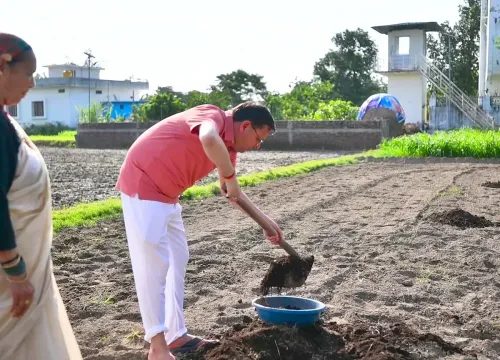
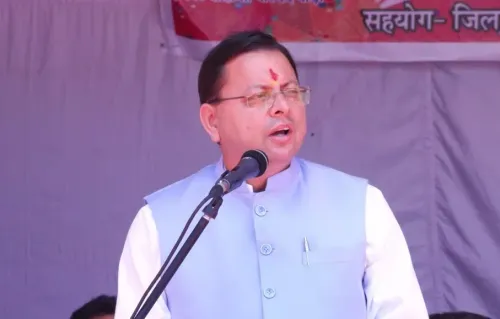
Chief Minister Pushkar Singh Dhami has delivered a message of 'maati se judaav' — rootedness to the soil — through the Uttarakhand CMO's official account, invoking cultural identity as Uttarakhand continues to battle out-migration from its hill districts.
Key Takeaways
The Uttarakhand Chief Minister's Office shared a message from CM Pushkar Singh Dhami on June 16, 2026 emphasising maati se judaav — connection to the native soil.
Uttarakhand has faced persistent out-migration from hill districts including Pauri Garhwal , Almora , and Chamoli over several decades.
CM Dhami , in office since 2021 , has consistently paired development messaging with appeals to local cultural identity.
The appeal targets both resident hill communities and the large Uttarakhand-origin diaspora living in plains cities.
Such messaging has historically preceded state-level rural livelihood or cultural outreach programme announcements in Himalayan states.
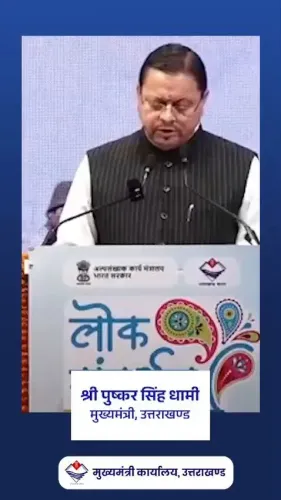
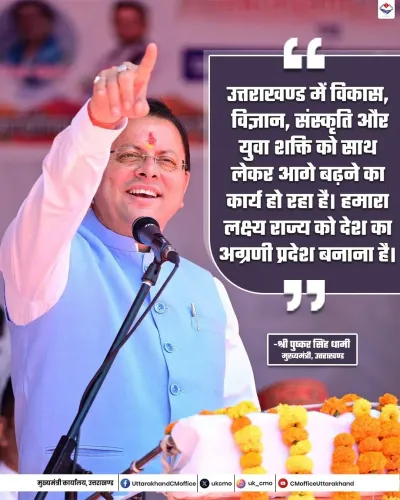
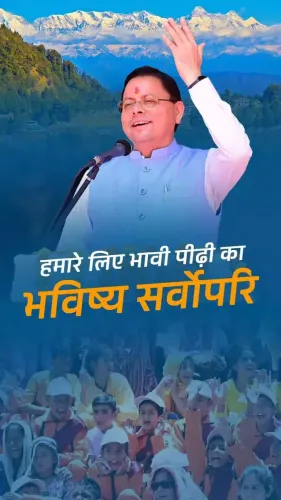
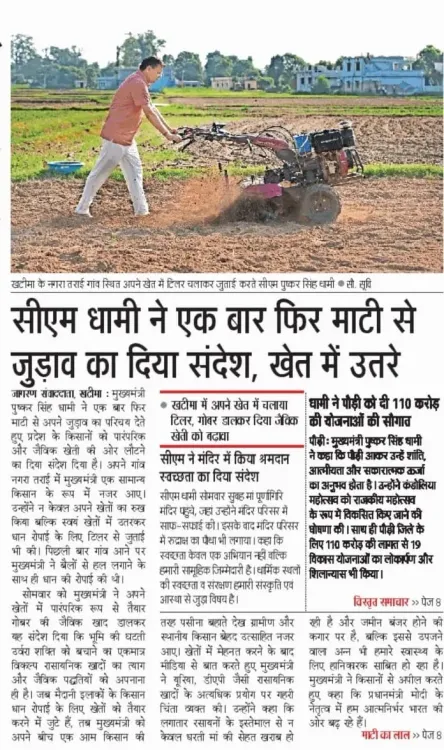
The Chief Minister's Office of Uttarakhand, on Tuesday, June 16, 2026, shared a message from Chief Minister Pushkar Singh Dhami emphasising an emotional and cultural bond with the land — a call for maati se judaav (rootedness to one's soil) directed at the people of the Himalayan state.
Context
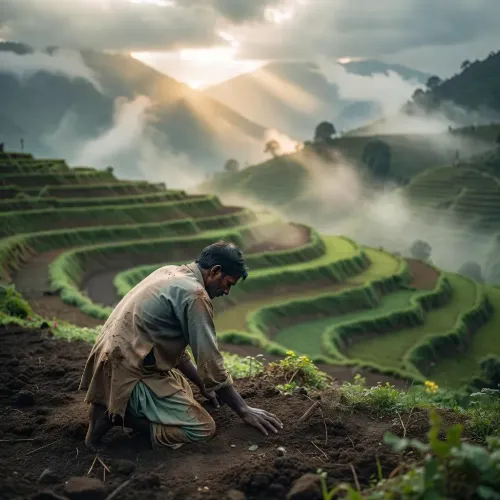
The post, shared from the official Chief Minister's Office account, carries a Hindi-language message: 'Mukhyamantri Shri Pushkar Singh Dhami ne maati se judaav ka diya sandesh' — 'Chief Minister Pushkar Singh Dhami has given a message of connection to the soil.' The appeal is rooted in Uttarakhand's long-standing cultural identity, where the land, mountains, and villages are central to community life and collective memory.
The message comes at a time when Uttarakhand continues to grapple with significant out-migration from its hill districts, a challenge that has hollowed out many rural communities over decades. Appeals to cultural pride and attachment to one's native land have become a recurring theme in the state's public discourse.
Policy Backdrop
Chief Minister Dhami, who assumed office in 2021 representing the Bharatiya Janata Party, has consistently paired infrastructure and development initiatives with messaging around local identity, heritage, and environmental stewardship. Uttarakhand governments across administrations have used cultural outreach as a complement to rural development schemes, recognising that economic interventions alone cannot reverse migration trends.
Across India's Himalayan states, the pattern is well established: state administrations invoke the bond between communities and their land to build political will for staying, investing, and contributing to local economies. Maati se judaav — the idea of being rooted to one's native soil — carries particular resonance in Uttarakhand, where entire villages in districts such as Pauri Garhwal, Almora, and Chamoli have seen populations shrink as younger generations move to the plains.
Stakeholders and Impact
The primary audience for CM Dhami's message is Uttarakhand's hill communities — farmers, artisans, women-led households, and the Pahadi diaspora spread across cities like Delhi, Dehradun, and Haridwar. Such messaging also speaks to the Uttarakhand-origin population settled in the plains, urging emotional and economic reconnection with their home regions.
Cultural messaging of this kind can serve as a precursor to policy announcements on rural livelihood, agri-tourism, or heritage conservation. Civil society groups and local panchayats in the hill districts often respond to such signals by amplifying calls for investment in local infrastructure and self-employment schemes.
What's Next
Observers will watch whether CM Dhami's message of maati se judaav translates into concrete state-level programmes — whether rural development drives, cultural outreach initiatives, or incentive schemes aimed at encouraging reverse migration to hill villages. The Uttarakhand government has previously announced schemes linking local identity with livelihood creation, and this message may signal a fresh push in that direction.
As Uttarakhand balances modernisation with heritage preservation, the Chief Minister's appeal to the soil underscores that cultural identity remains a live political and policy instrument in the Himalayan state.
Point of View
Where cultural appeals serve as both identity affirmation and a soft policy signal. The message arrives against a backdrop of sustained demographic anxiety — hill districts losing working-age populations to the plains — that no single administration has been able to structurally reverse. By foregrounding emotional attachment to the land, the BJP government is simultaneously reinforcing its cultural nationalist credentials and laying groundwork for potential rural livelihood or reverse-migration schemes. The real test, as always, will be whether the sentiment is followed by substantive policy action.
NationPress
15 Sept 2026
Frequently Asked Questions
What is the meaning of 'maati se judaav' in CM Dhami's message?
'Maati se judaav' translates from Hindi as 'rootedness to the soil' or 'connection to one's native land.' CM Dhami used the phrase to urge Uttarakhand's people to maintain a deep cultural and emotional bond with their home state, particularly relevant given widespread out-migration from hill districts.
Why is out-migration a problem in Uttarakhand?
Uttarakhand's hill districts have seen significant depopulation over decades as residents move to plains cities in search of better employment and education. Districts like Pauri Garhwal and Almora have entire villages that are now sparsely inhabited, posing challenges for local economies and cultural continuity.
Who is Pushkar Singh Dhami and when did he become Chief Minister?
Pushkar Singh Dhami is the Chief Minister of Uttarakhand, representing the Bharatiya Janata Party. He assumed office in 2021 and has focused on state development, cultural identity, and infrastructure.
What programmes has Uttarakhand launched to address hill migration?
Uttarakhand governments have announced various rural livelihood, agri-tourism, and self-employment schemes aimed at creating economic opportunities in hill districts to reduce the incentive for out-migration, often pairing them with cultural outreach messaging.
What is the significance of the Uttarakhand CMO's social media post on June 16, 2026?
The post signals the state government's continued emphasis on cultural rootedness as a governance theme. It may also serve as a precursor to formal policy announcements on rural development or cultural heritage programmes, a pattern seen in previous Uttarakhand administrations.