CM Dhami Holds Public Grievance Session at Mukhya Sevak Sadan
Synopsis
Uttarakhand Chief Minister Pushkar Singh Dhami held a direct public hearing at Mukhya Sevak Sadan in Dehradun on 25 July 2026, receiving grievances from citizens across multiple districts and directing officials to deliver transparent, sensitive and time-bound resolutions on priority.
Key Takeaways
CM Pushkar Singh Dhami held a public grievance session at Mukhya Sevak Sadan, Dehradun on 25 July 2026 .
Citizens from various districts of Uttarakhand attended to present personal complaints and suggestions.
Dhami directed concerned officials to treat every grievance as a priority and ensure transparent, sensitive and time-bound resolution.
The session reflects the BJP government's stated emphasis on citizen-centric and accountable governance in Uttarakhand.
Uttarakhand's dispersed hill population makes direct-access public hearings especially significant for residents of remote districts.
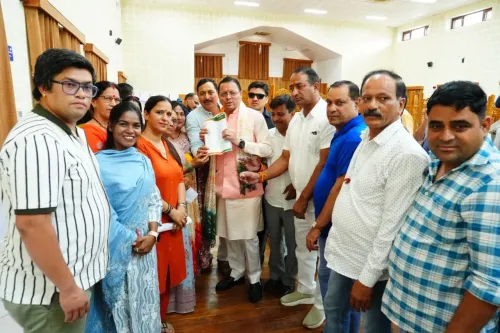
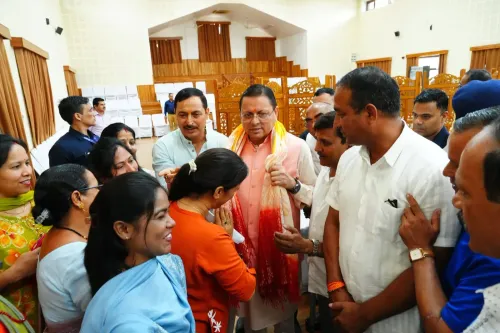
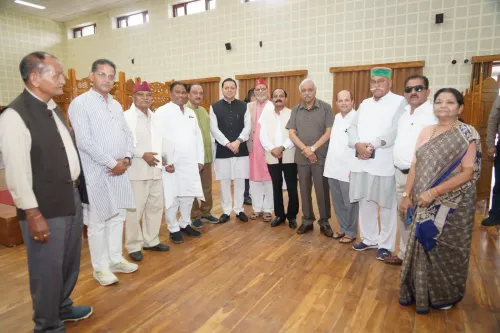
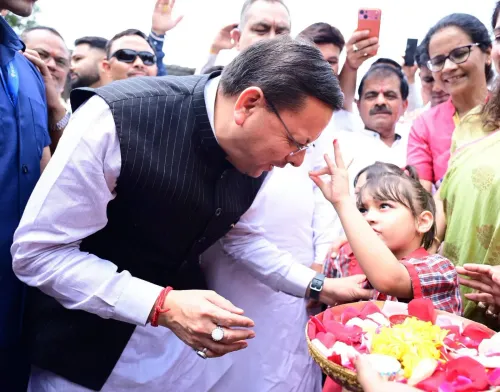
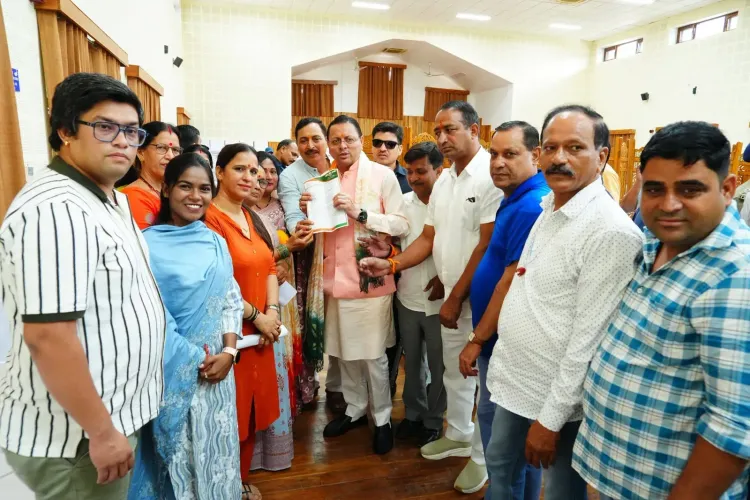
Uttarakhand Chief Minister Pushkar Singh Dhami on Friday, 25 July 2026, met citizens who had travelled from various districts of the state to Mukhya Sevak Sadan in Dehradun, listening to their grievances and suggestions in a direct public hearing session.
What Happened
Dhami held an open audience at Mukhya Sevak Sadan, the official venue associated with the Chief Minister's office used for public interactions. Citizens described as devtulya janta ('godlike people') arrived from multiple districts across Uttarakhand to present their concerns personally to the Chief Minister.
Dhami directed the concerned officials to treat each complaint and suggestion as a priority, ensuring what he described as 'transparent, sensitive and time-bound resolution.' The instruction covers every grievance received during the session.
Context
The practice of direct public hearings by chief ministers at official residences is a well-established feature of state governance across India. Such sessions are designed to bypass bureaucratic layers and give citizens a direct channel to the highest executive in the state.
Uttarakhand, a Himalayan state formed in 2000 from Uttar Pradesh, has a dispersed population spread across remote hill districts, making access to district-level administration difficult for many residents. Public hearings at the state capital therefore carry particular significance for citizens from far-flung areas.
Policy Backdrop
Dhami, who has served as Chief Minister since March 2021, has repeatedly emphasised citizen-centric and accountable governance as a pillar of his administration. The BJP-led government in Uttarakhand has framed such public outreach as a core governance commitment rather than a ceremonial exercise.
At the national level, the Centralised Public Grievance Redress and Monitoring System (CPGRAMS), launched by the Government of India in 2007, provides a parallel digital grievance channel across states. State-level public hearings complement such platforms by addressing grievances that require direct administrative attention or are too complex for online routing alone.
Stakeholders and Impact
The primary beneficiaries are ordinary citizens from Uttarakhand's various districts who brought unresolved issues to the Chief Minister. Officials from the relevant departments have been placed on notice to act on each complaint with defined timelines.
The emphasis on 'transparent and sensitive' resolution signals an administrative accountability standard that Dhami expects departments to meet. Failure to act on grievances flagged directly at such sessions carries reputational risk for individual officials and departments.
What's Next
The key measure of this session's success will be the actual resolution rate of complaints received. Policy watchers are likely to track whether the state formalises a follow-up mechanism or expands similar public hearing formats to district headquarters, bringing the process closer to citizens in remote hill areas.
Point of View
The optics of a Chief Minister personally receiving district-level grievances carries real weight with the electorate. The directive for 'transparent and time-bound' resolution is the critical variable — without a verifiable tracking mechanism, such sessions risk becoming performative. The broader pattern suggests BJP-led state governments have made this format a signature governance ritual, one that blends administrative intent with visible political outreach.
NationPress
24 Jul 2026
Frequently Asked Questions
What is Mukhya Sevak Sadan in Uttarakhand?
Mukhya Sevak Sadan is the official venue in Dehradun associated with the Uttarakhand Chief Minister's office, used for public interactions and citizen-facing governance events.
What did CM Dhami do at the public grievance session on 25 July 2026?
CM Pushkar Singh Dhami met citizens from various districts of Uttarakhand at Mukhya Sevak Sadan, heard their complaints and suggestions, and directed officials to ensure priority-based, transparent and time-bound resolution of each grievance.
Why do Uttarakhand residents travel to Dehradun for grievance hearings?
Uttarakhand's mountainous terrain makes access to administrative centres difficult for residents of remote hill districts, so a direct hearing with the Chief Minister in Dehradun offers a rare opportunity to escalate unresolved issues.
How does Uttarakhand handle citizen grievances at the state level?
Uttarakhand uses both digital platforms like the national CPGRAMS system and direct public hearings held by the Chief Minister at Mukhya Sevak Sadan to address citizen grievances across the state's districts.
What is CM Dhami's approach to governance in Uttarakhand?
Since taking office in March 2021, CM Pushkar Singh Dhami has emphasised citizen-centric governance, administrative accountability, and direct public outreach as key pillars of his administration in Uttarakhand.