CM Dhami Launches 67 Projects Worth ₹284 Cr in Pithoragarh
Synopsis
Uttarakhand CM Pushkar Singh Dhami joined Pithoragarh residents for Mann Ki Baat's 139th episode on 25 October 2026, simultaneously launching 67 development projects worth over ₹284 crore to boost infrastructure and connectivity in the strategic border district.
Key Takeaways
67 development projects worth over ₹284 crore were inaugurated and foundation-stoned in Pithoragarh on 25 October 2026 .
CM Pushkar Singh Dhami led the event alongside local residents during the 139th episode of Mann Ki Baat .
Projects aim to strengthen foundational infrastructure, improve connectivity, and expand public conveniences in Pithoragarh , a district bordering China and Nepal .
The Border Area Development Programme (BADP) , running since 1986–87 , provides the long-standing policy framework for such border-district investments.
CM Dhami also made additional announcements related to regional development and expansion of civic amenities for the area.
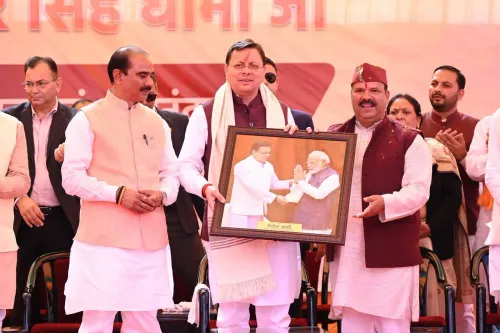
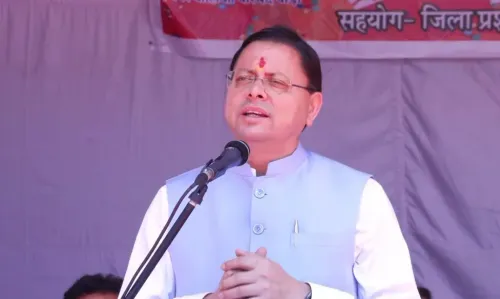
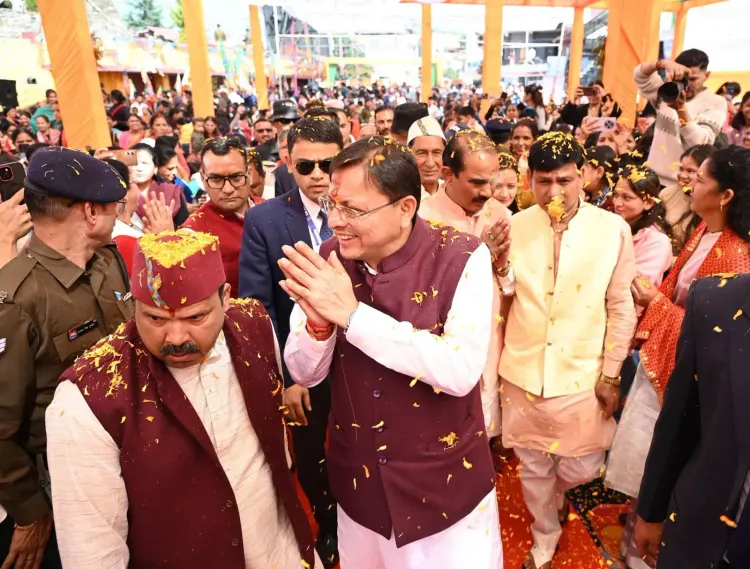
A border district that has waited decades for better roads, power, and civic amenities got a significant push on Sunday, 25 October 2026, as Uttarakhand Chief Minister Pushkar Singh Dhami inaugurated and laid the foundation stones for 67 development projects worth over ₹284 crore in Pithoragarh — all while sitting alongside residents to listen to the 139th episode of Prime Minister Narendra Modi's 'Mann Ki Baat'.
CM Dhami shared the occasion on X, writing that he joined the 'devatulya janta' ('godlike public') of Pithoragarh to listen to the popular programme, and simultaneously launched the batch of projects along with several announcements for regional development and expansion of public conveniences.
What ₹284 Crore Is Meant to Fix in a Himalayan Frontier
Pithoragarh sits on Uttarakhand's border with both China and Nepal, making it one of India's most strategically sensitive districts. For all its geopolitical weight, the district has historically struggled with connectivity gaps — winding mountain roads that become death-traps in monsoon, power outages, and limited civic infrastructure for its scattered population.
The 67 projects announced on Sunday span infrastructure strengthening, connectivity improvement, and quality-of-life upgrades for local citizens. While the exact project-by-project breakdown was not officially itemised, the Chief Minister stated that the initiatives are designed to 'seerant janpad mein aadharabhoot suvidhaon ko sudridh karna' — strengthen foundational facilities in this frontier district. That framing is significant: it speaks to both civilian welfare and the implicit security rationale behind border-area investment.
Mann Ki Baat as a Platform for State Action
The deliberate pairing of a PM Modi public outreach event with a state-level project launch is a well-worn but effective political choreography. Mann Ki Baat, which PM Modi began in October 2014, has now run for 139 episodes — a consistent monthly touchpoint that successive BJP-governed states have used as a backdrop to announce or activate central-scheme-linked projects, signalling alignment between Delhi and the state capital.
The Border Area Development Programme (BADP), operational since 1986–87, provides the long-running policy scaffolding for exactly this kind of investment in districts like Pithoragarh. Sunday's announcements fit into that lineage, even as the scale and media visibility have grown sharper under the current dispensation.
Why Pithoragarh's Infrastructure Equation Keeps Mattering
Himalayan border districts present a compound problem: terrain makes construction expensive, weather makes maintenance constant, and demographic thinning — as younger residents migrate to plains cities — means local pressure groups are weakening even as strategic importance grows. Every rupee deployed here carries a dual mandate: keeping communities rooted and keeping India's frontier infrastructure competitive.
Chief Minister Dhami's presence in Pithoragarh on a Sunday, publicly participating in a mass radio-listening event with citizens and then announcing a ₹284-crore project tranche, is a pointed signal that the state intends to keep the border districts visible — not just on maps, but in budget lines.
The real test, as always, will be in the utilisation certificates and physical progress reports over the coming fiscal year. Announcements move fast in mountain districts; concrete and steel move slower.
Point of View
Visually reinforcing the Centre-state partnership narrative ahead of any electoral cycle. For Uttarakhand, where border districts form both a security and a demographic challenge, the ₹284-crore outlay signals continued prioritisation of frontier infrastructure — a policy direction with bipartisan historical roots in the BADP but sharpest political salience under the current government. The critical question is execution: Himalayan project delivery timelines routinely slip due to terrain and seasonal constraints, meaning today's foundation stones will be judged by whether they become functional infrastructure before the next announcement cycle.
NationPress
25 Oct 2026
Frequently Asked Questions
What projects did CM Dhami launch in Pithoragarh on 25 October 2026?
CM Pushkar Singh Dhami inaugurated and laid foundation stones for 67 development projects worth over ₹284 crore in Pithoragarh, focused on infrastructure strengthening, connectivity, and improving citizens' quality of life in the border district.
What is Mann Ki Baat and which episode was held on 25 October 2026?
'Mann Ki Baat' is a monthly radio address by Prime Minister Narendra Modi, launched in October 2014. The episode held on 25 October 2026 was the 139th edition of the programme.
Why is Pithoragarh considered a strategic district in Uttarakhand?
Pithoragarh borders both China and Nepal , making it one of India's most sensitive frontier districts. Its development is driven by both civilian welfare needs and national security considerations related to border-area infrastructure.
What is the Border Area Development Programme?
The Border Area Development Programme (BADP) is a central government scheme operational since 1986–87 that funds infrastructure development in border districts like Pithoragarh to address remoteness and strengthen frontier connectivity.
How much money has been allocated for development projects in Pithoragarh in 2026?
On 25 October 2026 , projects worth over ₹284 crore were announced for Pithoragarh by CM Dhami, covering 67 individual infrastructure and connectivity initiatives.