Nadda Highlights e-Sanjeevani's 50 Crore Consultations
Synopsis
Union Health Minister J. P. Nadda marked the e-Sanjeevani telemedicine platform's milestone of nearly 50 crore consultations, citing PM Modi's Mann Ki Baat address and the scheme's transformative reach into remote regions including Ladakh, Lakshadweep, and Nagaland through 1.90 lakh Ayushman Arogya Mandirs.
Key Takeaways
e-Sanjeevani has delivered nearly 50 crore tele-consultations since its launch in 2019 .
PM Modi discussed the platform on the 139th episode of Mann Ki Baat on 25 October 2026 .
Remote regions including Andaman and Nicobar Islands , Lakshadweep , Ladakh , and Nagaland are among the primary beneficiaries.
Approximately 1.90 lakh Ayushman Arogya Mandirs serve as the physical backbone enabling e-Sanjeevani's last-mile reach.
The platform sits within the broader Ayushman Bharat framework launched in 2018 , targeting primary and preventive care at village level.
Further integration with the National Digital Health Mission is a key policy development to watch.
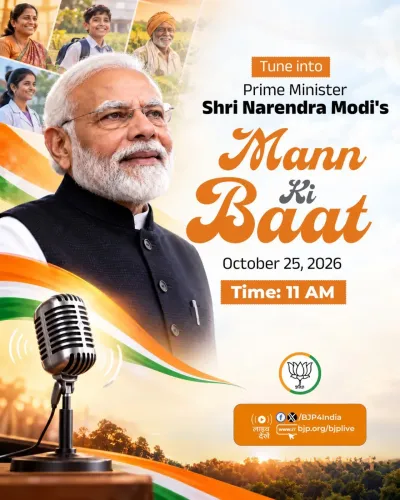
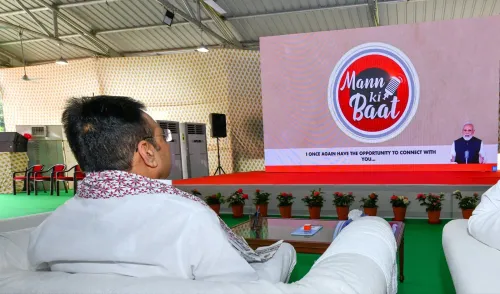
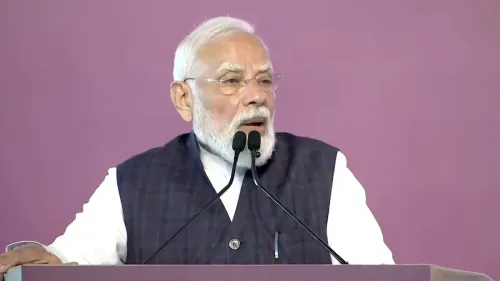
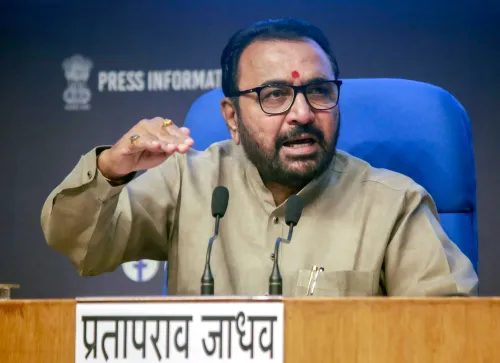
Fifty crore telemedicine consultations — and counting. Union Health Minister J. P. Nadda on Sunday, 25 October 2026 highlighted the milestone reach of the e-Sanjeevani national telemedicine platform, citing Prime Minister Narendra Modi's discussion of the scheme on the 139th episode of Mann Ki Baat.
In his post on X, Nadda noted that 'भारत के हर कोने से लोग टेलीमेडिसिन सेवाएं प्राप्त कर रहे हैं' ('people from every corner of India are now accessing telemedicine services'), and that nearly 50 crore tele-consultations have been delivered through the platform, extending healthcare access to some of the country's most geographically isolated districts.
Andaman to Ladakh: Stories from the edges of the map
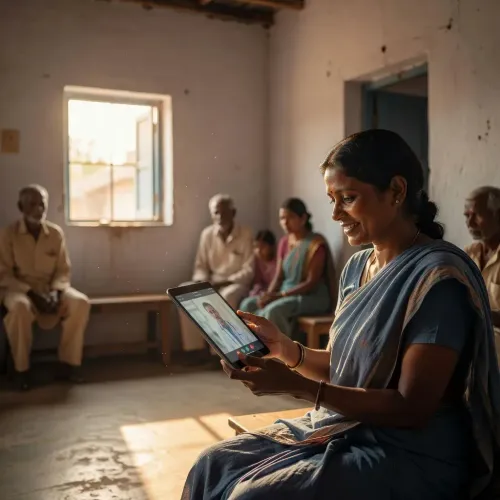
The post singled out Andaman and Nicobar Islands, Lakshadweep, Ladakh, and Nagaland as emblematic examples of how e-Sanjeevani is working where brick-and-mortar clinics simply cannot. These are territories where a specialist consultation once meant a multi-day journey. Now, it means a phone screen.
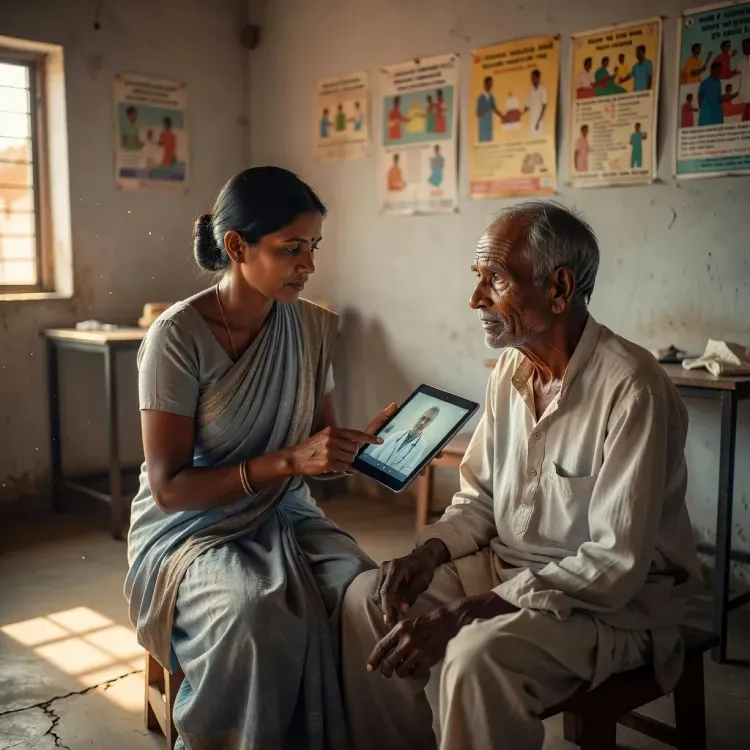
Nadda framed the transformation as a convergence of three forces: technology, the commitment of doctors, and the trust of citizens. That combination, he argued, is producing 'positive change in countless lives.' The human detail lands harder than any statistic — a patient in a Nicobar island village receiving a cardiology consult without boarding a ferry.
1.90 lakh Ayushman Arogya Mandirs as the backbone
The platform does not operate in isolation. Nadda pointed to a network of approximately 1.90 lakh Ayushman Arogya Mandirs — the Health and Wellness Centres that form the primary-care spine of the Ayushman Bharat programme — as the delivery infrastructure that makes e-Sanjeevani's rural penetration possible. These centres, built to bring free primary and preventive care to village level, now double as nodes for regular health check-ups facilitated through the telemedicine platform.
The policy lineage here matters. Ayushman Bharat launched in 2018; e-Sanjeevani followed in 2019, rolled out by the Ministry of Health and Family Welfare. What began as a pilot for doctor-to-doctor consultations between medical colleges and district hospitals evolved into a citizen-facing service that today handles patient-to-doctor sessions across all states and union territories.
Digital health as nation-building, not just convenience
The framing in Nadda's post is deliberate: this is not a tech product launch, it is a healthcare equity argument. Rural populations — long underserved by specialist care — are the stated beneficiaries. The integration of telemedicine with a physical wellness-centre network addresses a classic last-mile problem: digital reach alone means nothing if the patient has no device, connectivity, or health literacy. The Arogya Mandir acts as the human bridge.
Watchers of India's health policy will note the next logical step: deeper integration with the National Digital Health Mission, which aims to give every citizen a unique health ID linking their medical records digitally. That convergence could make the 50-crore consultation figure look modest in the next budget cycle.
Half a billion consultations in under a decade. The question is no longer whether India's telemedicine infrastructure works — it is how fast the rest of the health system can keep up.
Point of View
Designed to cement the government's digital-health narrative ahead of the next Union Budget cycle. The 50-crore consultation figure — even if unverified in open records — positions e-Sanjeevani as a flagship deliverable of the Ayushman Bharat ecosystem, lending the scheme the kind of scale credibility that strengthens budget allocations. The deliberate naming of Ladakh, Lakshadweep, and Nagaland is politically calibrated: these are union territories and border states where visible central-government service delivery carries both administrative and symbolic weight. The broader arc points toward a convergence of e-Sanjeevani with the National Digital Health Mission, which would make interoperable health records and remote diagnostics the new normal for rural India.
NationPress
25 Oct 2026
Frequently Asked Questions
What is e-Sanjeevani and how does it work?
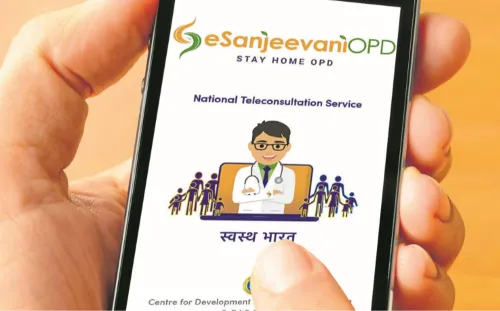
e-Sanjeevani is India's national telemedicine platform, launched in 2019 by the Ministry of Health and Family Welfare. It allows patients to consult doctors remotely via video or phone, free of charge, through a network of Ayushman Arogya Mandirs and a dedicated online portal.
How many consultations has e-Sanjeevani completed?
According to Union Health Minister J. P. Nadda's post on 25 October 2026, e-Sanjeevani has facilitated nearly 50 crore (500 million) tele-consultations since it began operations.
What are Ayushman Arogya Mandirs?
Ayushman Arogya Mandirs are Health and Wellness Centres established under the Ayushman Bharat programme (launched 2018). There are approximately 1.90 lakh such centres across India, providing free primary healthcare and serving as access points for e-Sanjeevani telemedicine services.
Which remote areas benefit most from e-Sanjeevani?
Nadda's post specifically highlighted Andaman and Nicobar Islands, Lakshadweep, Ladakh, and Nagaland as regions where e-Sanjeevani has made a significant impact by providing specialist medical access to populations far from urban healthcare facilities.
What is Mann Ki Baat and why was e-Sanjeevani discussed there?
Mann Ki Baat is a monthly radio programme hosted by Prime Minister Narendra Modi since 2014, where he addresses citizens on governance and development themes. On its 139th episode, PM Modi discussed e-Sanjeevani as an example of technology serving public welfare at scale.