PM Modi marks 50 crore e-Sanjeevani teleconsultations, cites remote area wins

Synopsis
India's national telemedicine platform e-Sanjeevani has crossed nearly 50 crore consultations — and PM Modi used Mann Ki Baat to put faces to that number, from a Jarawa tribe child in Andaman to a pregnant woman in Zanskar. The milestone signals how a free, cloud-based service has quietly become one of independent India's largest public health interventions.
Key Takeaways
PM Modi announced on 25 October 2026 that e-Sanjeevani has completed nearly 50 crore (500 million) teleconsultations .
The platform was developed by C-DAC under the Ministry of Health and Family Welfare and is available free of cost.
Real-world cases cited include a Jarawa tribe child in Andaman and Nicobar Islands , a 60-year-old in Kalpeni, Lakshadweep , a pregnant woman in Zanskar, Ladakh , and a 12-year-old in Peren, Nagaland .
Nearly 1.90 lakh Ayushman Arogya Mandirs are now functioning as panchayat-level wellness hubs supported by e-Sanjeevani.
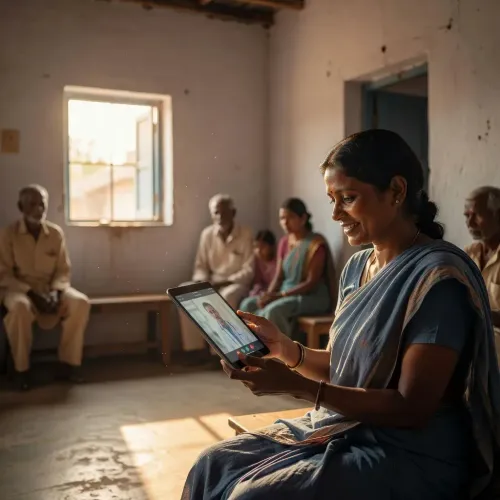
The platform operates in two modes: doctor-to-doctor at health centres and direct patient-to-doctor from home.
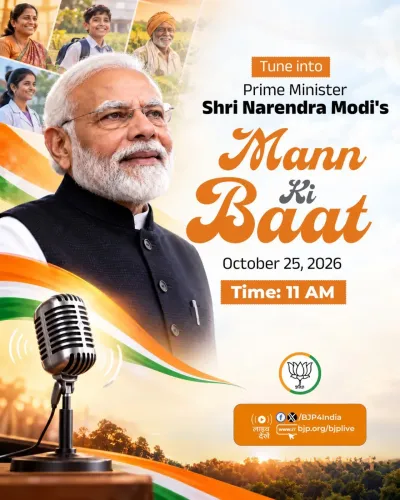
Prime Minister Narendra Modi on Sunday, 25 October 2026, highlighted the achievement of nearly 50 crore (500 million) teleconsultations on the e-Sanjeevani telemedicine platform, calling it a transformative force in extending healthcare to India's most underserved communities. The announcement came during the latest episode of his monthly radio programme 'Mann Ki Baat'.
A Milestone in Digital Healthcare
Modi described e-Sanjeevani as a standout example of how technology can be woven seamlessly into everyday life. 'Approximately 50 crore teleconsultations have been conducted through this platform so far — a truly significant figure. It is a remarkable testament to the power of technology, the dedicated spirit of our doctors, and the trust placed in it by our fellow citizens,' the Prime Minister said.
He attributed the rapid uptake to what he called a defining trait of Indians — their ability to embrace new technology quickly and integrate it naturally into daily life. The platform is free to use and was developed by C-DAC under the Ministry of Health and Family Welfare. It operates in two modes: doctor-to-doctor consultations at health centres, and direct patient-to-doctor consultations from home.
Stories from the Country's Remotest Corners
Modi shared several real-world cases to illustrate the platform's reach. On Baratang Island in the Andaman and Nicobar Islands, a child named Oho-Tahane from the Jarawa tribe developed a high fever and difficulty breathing. Local health workers used e-Sanjeevani to connect with a specialist, who diagnosed the child with pneumonia; the child's condition improved rapidly under guided specialist care.
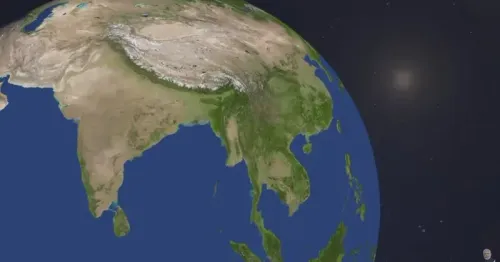
In Kalpeni, Lakshadweep, a 60-year-old man named Kunhi Koya fell suddenly ill. An experienced doctor based in Kavaratti guided the local medical team remotely through the platform, helping stabilise his condition. In Zanskar, Ladakh, a pregnant woman named Kunjang Dolma faced complications and received immediate specialist assistance via e-Sanjeevani. Meanwhile, in Peren, Nagaland, 12-year-old Mushem, suffering from an ear infection and fever, received a prompt diagnosis and appropriate medication through the platform.
Role of Ayushman Arogya Mandirs
The Prime Minister also spotlighted the contribution of nearly 1.90 lakh Ayushman Arogya Mandirs spread across the country. These centres, he said, are evolving into wellness hubs at the panchayat level, enabling regular health check-ups for villagers and supporting a broader shift towards preventive healthcare. e-Sanjeevani is playing a central role in powering consultations at these centres.
Bridging India's Healthcare Divide
Modi underscored that the combination of technology-driven telemedicine and a strengthened primary healthcare network is fundamentally changing how medical services are accessed — particularly in rural and remote regions where specialist doctors have historically been unavailable. The e-Sanjeevani platform bridges this gap by connecting patients and primary health workers directly to specialists, often in real time.
With the 50 crore milestone now in sight, health officials are expected to assess the platform's scalability and integration with the broader Ayushman Bharat digital health ecosystem in the months ahead.
Point of View
But the more telling detail is the geography of the cases Modi chose to highlight — Jarawa territory in Andaman, an island in Lakshadweep, Zanskar valley, interior Nagaland. These are not places where conventional healthcare infrastructure has ever had a strong foothold. The real policy question now is whether e-Sanjeevani is driving better health outcomes or primarily fulfilling a consultation count. Utilisation data is not the same as treatment efficacy data, and without outcome metrics, the milestone risks being celebrated in a vacuum. Integrating e-Sanjeevani outcome data into the Ayushman Bharat digital health records would turn a volumetric achievement into a verifiable public health asset.
NationPress
25 Oct 2026
Frequently Asked Questions
What is e-Sanjeevani and how does it work?
e-Sanjeevani is India's national telemedicine service, developed by C-DAC under the Ministry of Health and Family Welfare. It is a free, cloud-based platform that enables remote consultations in two modes — doctor-to-doctor at Ayushman Arogya Mandirs and direct patient-to-doctor consultations from home, bridging the gap between patients and specialists across the country.
How many teleconsultations has e-Sanjeevani completed?
According to PM Modi's remarks during Mann Ki Baat on 25 October 2026, e-Sanjeevani has conducted nearly 50 crore (500 million) teleconsultations. The Prime Minister described this as a remarkable milestone reflecting the platform's widespread adoption.
Which remote areas has e-Sanjeevani reached?
PM Modi cited cases from Baratang Island in the Andaman and Nicobar Islands, Kalpeni in Lakshadweep, Zanskar in Ladakh, and Peren in Nagaland — some of the most geographically isolated parts of India. In each case, e-Sanjeevani enabled timely specialist consultations that would otherwise have been inaccessible.
What are Ayushman Arogya Mandirs and how are they linked to e-Sanjeevani?
Ayushman Arogya Mandirs are panchayat-level health centres, with nearly 1.90 lakh now operational across India. They are evolving into community wellness hubs where e-Sanjeevani facilitates doctor-to-doctor teleconsultations, supporting regular health check-ups and preventive care in rural communities.
Why is the e-Sanjeevani milestone significant for India's healthcare system?
The milestone highlights how a free, technology-driven platform has extended specialist healthcare access to populations in remote and underserved regions that lack adequate physical health infrastructure. It also underpins the government's push toward preventive healthcare at the grassroots level through Ayushman Arogya Mandirs.