CM Dhami Launches AI Voice Portal for Garhwali, Kumaoni, Jaunsari
Synopsis
Uttarakhand CM Pushkar Singh Dhami launched a voice-data collection portal for Garhwali, Kumaoni, and Jaunsari languages under the AiSE Foundation's Bhasha AI initiative, aiming to integrate the state's folk tongues with artificial intelligence and give them a global digital presence.
Key Takeaways
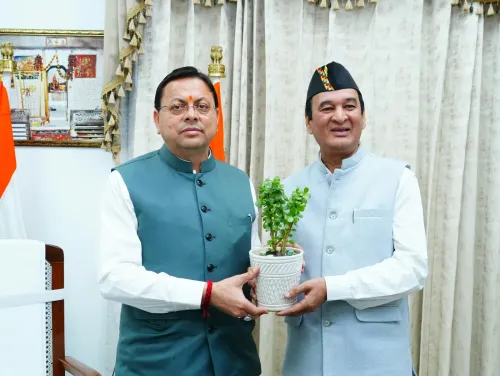
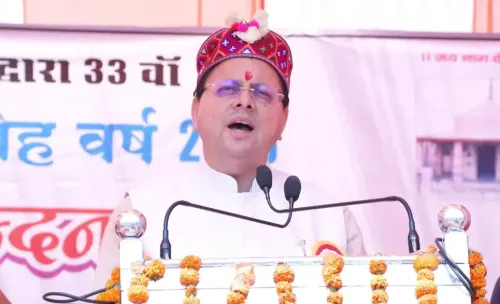
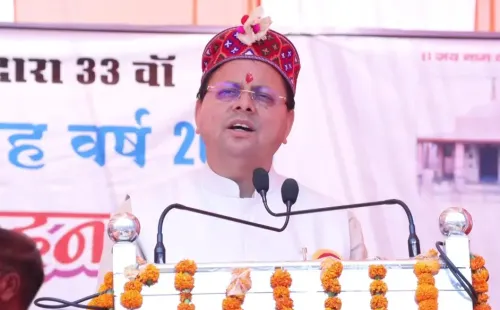
CM Pushkar Singh Dhami inaugurated the Bhasha AI voice-collection portal on 22 October 2026 at his camp office in Dehradun .
The portal collects spoken-language data in Garhwali , Kumaoni , and Jaunsari — three folk languages of Uttarakhand.
The initiative is led by the AiSE (AI Strategic Engineering) Foundation , founded by Sachidanand Semwal .
Padma Shri folk singer Pritam Bharatwan was present at the launch, lending cultural credibility to the project.
The stated goal is to preserve and promote the languages while integrating them with modern AI technology for a global audience.
The next phase to watch is whether the voice dataset feeds into state education or e-governance platforms.
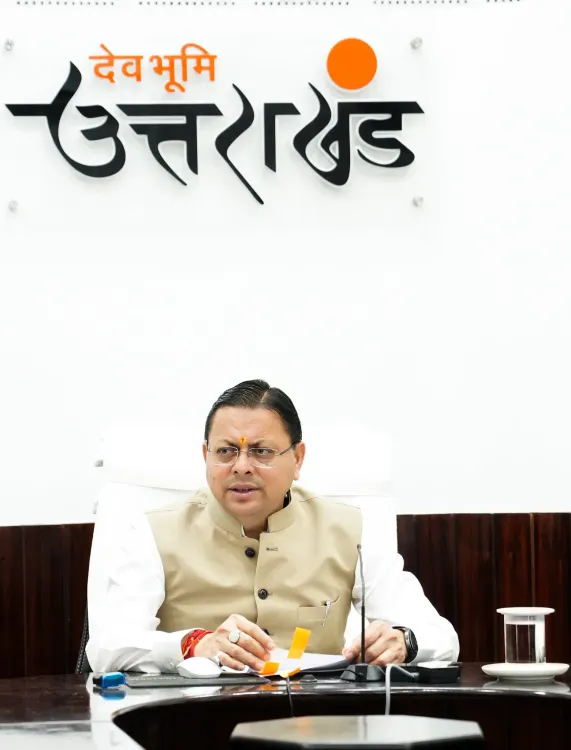
Three mountain languages that have echoed through the Himalayas for centuries just got a digital lifeline. Uttarakhand Chief Minister Pushkar Singh Dhami on Thursday, 22 October 2026, inaugurated a voice-collection portal for Garhwali, Kumaoni, and Jaunsari folk languages at his camp office in Dehradun, under the Bhasha AI (Language AI) initiative of the AiSE (AI Strategic Engineering) Foundation.
What the voice portal does — and why it matters
The portal is designed to collect spoken-language data from native speakers of Uttarakhand's three principal folk tongues. That audio corpus becomes the raw material for training AI models that can eventually understand, transcribe, and respond in these languages — bridging them into the digital world they have so far been locked out of. Chief Minister Dhami described the initiative as a path toward 'preservation and promotion' of the state's linguistic heritage, while simultaneously connecting these languages to modern technology and giving them a 'global identity.'
The stakes are real. Languages like Garhwali and Kumaoni have millions of speakers across the hills of Uttarakhand, yet they remain almost entirely absent from mainstream voice assistants, translation tools, and e-governance interfaces. Jaunsari, spoken by the Jaunsari community in the Jaunsar-Bawar region, has an even smaller speaker base and faces steeper preservation challenges. A structured voice dataset is the first, non-negotiable step toward any meaningful AI application for each of them.
Padma Shri Pritam Bharatwan lends cultural weight to the launch
The presence of Padma Shri folk singer Pritam Bharatwan at the launch was not incidental. One of Uttarakhand's most celebrated voices — his work has carried Garhwali music to national and international stages — Bharatwan's participation signals that the initiative has buy-in from the cultural community whose language wealth it seeks to archive. His art is precisely the kind of living oral tradition the portal aims to capture before it thins further.
Sachidanand Semwal, founder of the AiSE Foundation, co-anchored the event alongside Dhami. The foundation's Bhasha AI programme is positioned as a technology-meets-heritage project, with the voice portal as its first public-facing output.
Uttarakhand's linguistic diversity and the AI preservation push
Uttarakhand is not the first Indian state to look at AI as a tool for regional-language preservation — several others have explored digitisation and documentation programmes. But launching a dedicated voice-collection infrastructure, with a sitting Chief Minister and a Padma Shri awardee at the podium, pushes this beyond a departmental exercise into a visible political and cultural commitment. The next test is scale: how many speakers contribute, how quickly the dataset grows, and whether the portal's data eventually feeds into state education or e-governance services.
For now, the mountain languages of Uttarakhand have a portal, a founder, a folk legend, and a Chief Minister behind them. Whether that translates into a living AI ecosystem for these tongues is the question worth watching.
Point of View
Giving the initiative both technological and emotional legitimacy. For CM Dhami, it threads cultural identity politics with a forward-looking technology narrative — a combination that plays well in a hill state where language and identity are deeply intertwined. The critical unknown is whether the voice portal remains a one-day headline or becomes a sustained, community-driven corpus that genuinely powers AI tools. That distinction will define whether this is policy or performance.
NationPress
22 Oct 2026
Frequently Asked Questions
What is the Bhasha AI initiative in Uttarakhand?
Bhasha AI is an initiative by the AiSE Foundation to collect voice data in Uttarakhand's folk languages — Garhwali, Kumaoni, and Jaunsari — to build AI systems that can understand and process these languages, preserving them digitally and giving them a global presence.
What languages does the AiSE Foundation voice portal cover?
The voice-collection portal covers three folk languages of Uttarakhand: Garhwali, spoken in the Garhwal region; Kumaoni, spoken in the Kumaon region; and Jaunsari, spoken by the Jaunsari community in the Jaunsar-Bawar area.
Who is Pritam Bharatwan and why was he at the Bhasha AI launch?
Pritam Bharatwan is a Padma Shri-awarded folk singer from Uttarakhand, widely celebrated for popularising Garhwali music. His presence at the launch signalled cultural community endorsement for the AI-based language preservation initiative.
Who founded the AiSE Foundation?
The AiSE (AI Strategic Engineering) Foundation was founded by Sachidanand Semwal, who was present at the voice portal launch alongside CM Dhami and Pritam Bharatwan.
How will the voice collection portal help preserve Uttarakhand languages?
By gathering audio recordings from native speakers, the portal builds a spoken-language dataset that can train AI models to recognise, transcribe, and respond in Garhwali, Kumaoni, and Jaunsari — integrating them into digital tools from which they have historically been absent.