CM Dhami: Telemedicine, Heli-Ambulance Now Reaching Uttarakhand Hills
Synopsis
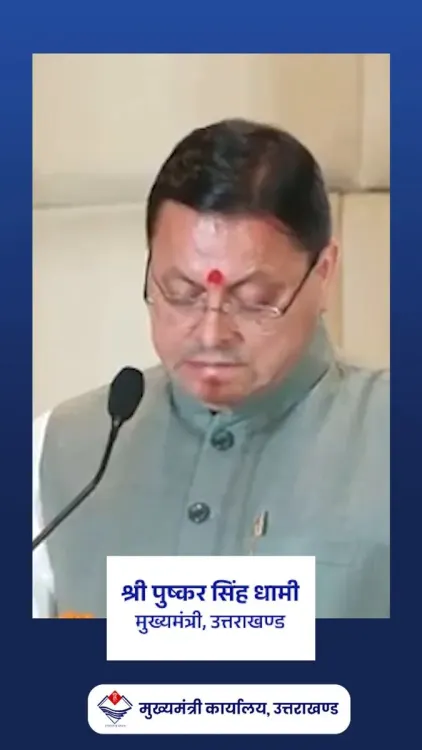
Chief Minister Pushkar Singh Dhami has announced that Uttarakhand is deploying telemedicine to connect remote hill residents with specialist doctors, and has launched a heli-ambulance service for mountain emergencies — two targeted interventions to bridge the healthcare access gap in the Himalayan state.
Key Takeaways
The Chief Minister's Office of Uttarakhand cited CM Pushkar Singh Dhami announcing telemedicine-based specialist access for remote hill areas on 3 July 2026 .
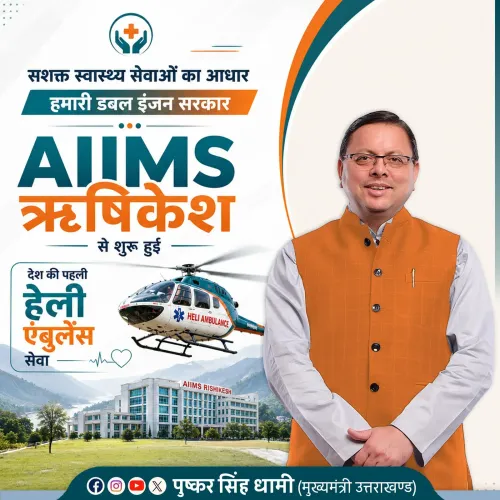
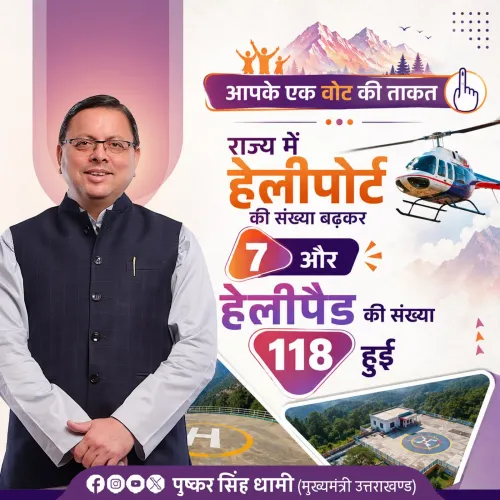
A heli-ambulance service has been launched specifically for emergency medical situations in mountainous regions of the state.
The telemedicine push builds on the national eSanjeevani platform, operational since 2019–2020 , and the National Digital Health Mission launched in 2020 .
Uttarakhand's terrain — high altitudes, seasonal roads, and monsoon disruptions — makes both services operationally critical for remote populations.
Frontline health workers at sub-centres gain real-time specialist support through telemedicine, improving on-site care quality.
Further district-level rollout and state budget allocations for scaling the heli-ambulance network are expected to follow.
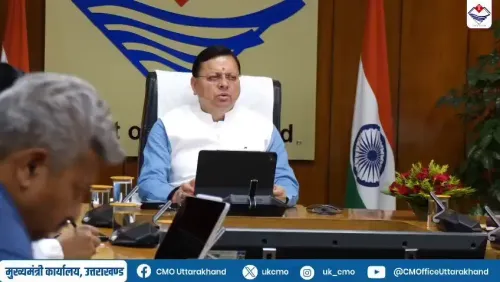
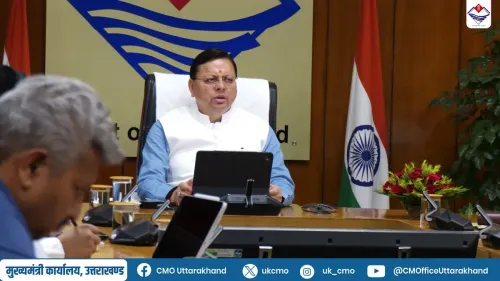
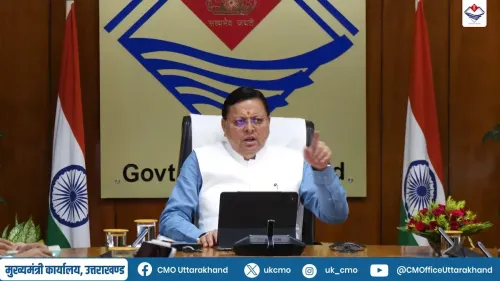
The Chief Minister's Office of Uttarakhand, citing Chief Minister Pushkar Singh Dhami, announced on Friday, 3 July 2026 that specialist medical services are being delivered to remote hill districts through telemedicine, and that a heli-ambulance service has been launched for mountain emergencies.
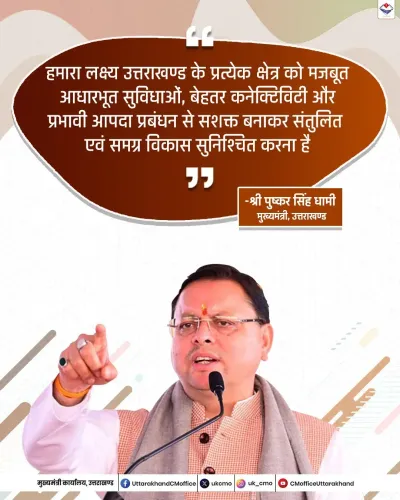
Quoting CM Dhami directly, the post states: 'दुर्गम क्षेत्रों में टेलीमेडिसिन सेवाओं के माध्यम से विशेषज्ञ डॉक्टरों की सुविधा उपलब्ध कराई जा रही है, आपातकालीन स्थिति में पर्वतीय क्षेत्रों के लिए हेली एम्बुलेंस सेवा प्रारम्भ की गई है।' — ('Expert doctors are being made available in remote areas through telemedicine services; a heli-ambulance service has been started for mountain regions in emergency situations.')
Context
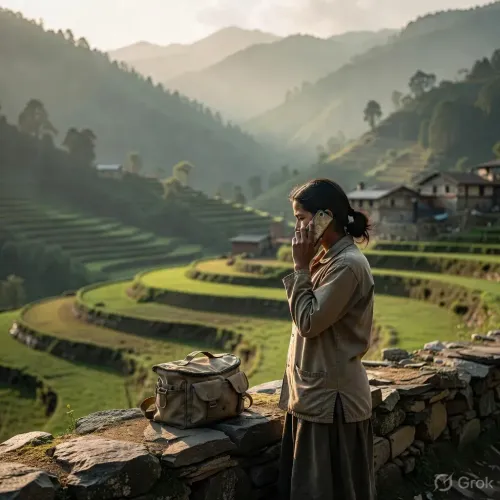
Uttarakhand is a Himalayan state where scattered populations living at high altitudes have historically faced severe delays in accessing specialist healthcare. Road connectivity in many districts remains seasonal or unreliable, making routine referrals to district hospitals time-consuming and emergency transport life-threatening. The two interventions announced — telemedicine for specialist consultations and a helicopter ambulance for emergencies — directly address these structural barriers.Policy Backdrop
The telemedicine push aligns with the national eSanjeevani platform, launched by the Union Ministry of Health and Family Welfare in 2019–2020, which enables video-based doctor-to-patient consultations in underserved areas. Uttarakhand's adoption of this platform extends its reach to durgam kshetras (remote zones) where no resident specialist is posted. The broader architecture for such services was laid by the National Digital Health Mission (launched 2020) and the Ayushman Bharat programme (2018), which introduced health and wellness centres with provisions for remote consultation models. Helicopter-based emergency medical transport has precedent across other Himalayan and north-eastern states, where air ambulance pilots have been used for both disaster response and routine emergencies. Uttarakhand's terrain — prone to landslides, floods, and road blockages, particularly during the monsoon — makes a dedicated heli-ambulance service operationally significant beyond symbolic value.Stakeholders and Impact
The primary beneficiaries are residents of high-altitude and geographically isolated villages who currently must travel several hours — sometimes days — to reach a specialist physician. For emergency cases such as cardiac events, obstetric complications, or serious trauma, the heli-ambulance service could be the difference between timely intervention and fatality. Telemedicine, meanwhile, reduces the burden on patients who need specialist advice but not physical transfer, cutting both cost and travel time. Frontline health workers at sub-centres and primary health centres in remote blocks are also key stakeholders: telemedicine equips them to consult remotely with specialists in real time, improving the quality of care they can offer on-site.What's Next
The state government's next steps are likely to involve district-level rollout of integrated telemedicine infrastructure and formalising the operational framework for the heli-ambulance network — including coverage zones, response protocols, and coordination with district hospitals. Any upcoming state budget session or health department announcement on scaling air ambulance coverage and expanding eSanjeevani kiosks to more blocks will be closely watched. The success of these programmes could also inform similar models in other mountainous Indian states seeking to close the rural specialist-care gap.Point of View
The state is addressing both routine specialist shortages and life-threatening emergencies in a single policy frame. This dual approach mirrors a broader national pattern where Himalayan and north-eastern states are being used as test beds for integrating digital health infrastructure with physical emergency response. The political dividend is also clear: visible, tangible health interventions in geographically marginalised constituencies carry significant electoral weight ahead of any future state polls.
NationPress
2 Oct 2026
Frequently Asked Questions
What telemedicine service is Uttarakhand providing in remote areas?
Uttarakhand is using telemedicine platforms, aligned with the national eSanjeevani system, to connect residents of remote hill areas with specialist doctors through video consultations, reducing the need for long-distance travel to access expert medical advice.
What is the heli-ambulance service launched in Uttarakhand?
CM Pushkar Singh Dhami announced a heli-ambulance service designed to transport emergency patients from mountainous and difficult-terrain areas of Uttarakhand where road access is limited or blocked, particularly during disasters or medical crises.
What is eSanjeevani and how does it help Uttarakhand?
eSanjeevani is a national telemedicine platform launched by the Union Ministry of Health and Family Welfare in 2019–2020 that enables doctor-to-patient video consultations. Uttarakhand is using it to bring specialist care to remote hill districts where no resident specialist is posted.
Why does Uttarakhand need special healthcare services for hill areas?
Uttarakhand's Himalayan terrain means many villages are accessible only by mountain roads that are often blocked by landslides or snow. This geographic isolation has historically prevented residents from reaching specialist doctors or hospitals in time during emergencies.
What national health programmes support Uttarakhand's telemedicine push?
The National Digital Health Mission (2020) and the Ayushman Bharat programme (2018), which introduced health and wellness centres with remote consultation provisions, form the national policy backbone supporting Uttarakhand's telemedicine and digital health expansion.