CM Dhami learns traditional oil-pressing craft at Pipalkoti women's meet
Synopsis
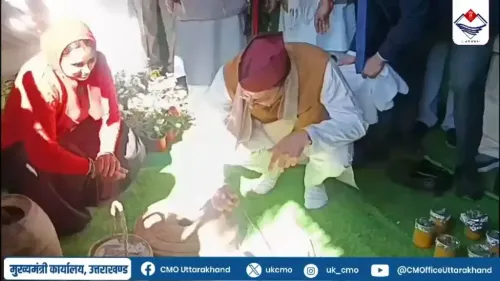
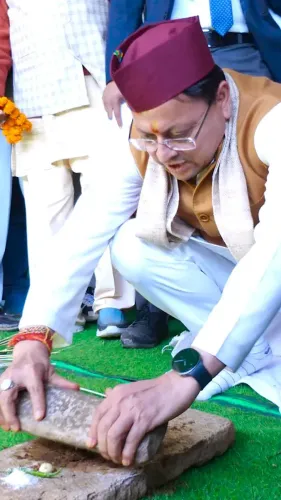
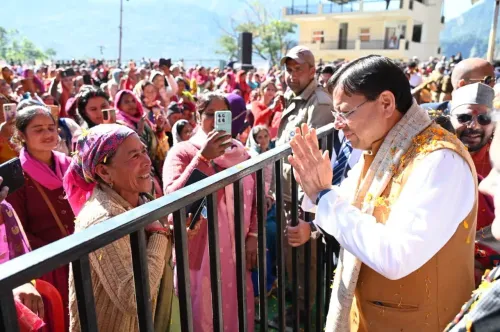
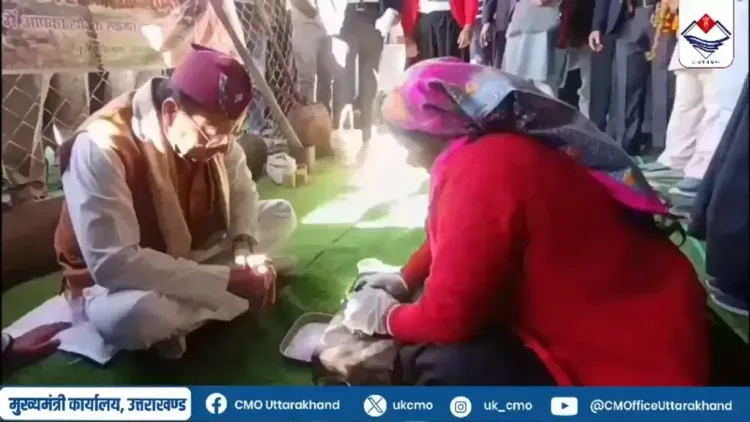
Chief Minister Pushkar Singh Dhami engaged with rural women at a Matrushakti Sammelan in Pipalkoti, Chamoli, learning the ancient technique of traditional oil-pressing — a gesture spotlighting Uttarakhand's endangered hill heritage.
Key Takeaways
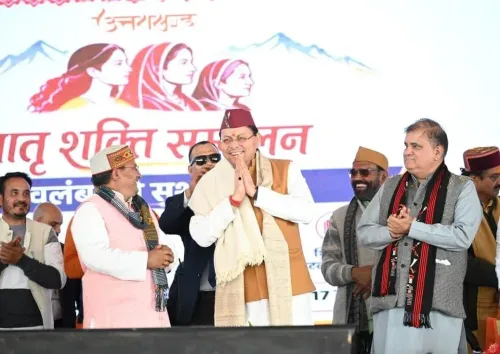
CM Pushkar Singh Dhami attended a Matrushakti Sammelan in Pipalkoti, Chamoli district on 18 November 2026 .
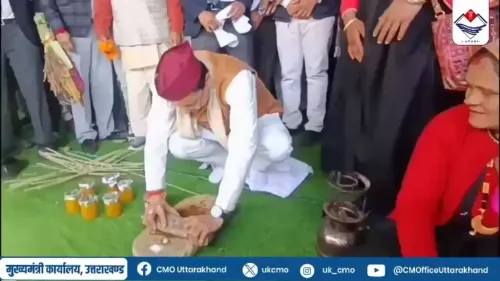
He sought first-hand instruction from local women in the traditional, ancient method of oil-pressing practised in Uttarakhand's hills.
The engagement was framed by the Chief Minister's Office as a reflection of Dhami's connection to the state's rich folk culture and heritage.
Pipalkoti lies on the Garhwal pilgrimage corridor, making it a significant venue for outreach to hill communities.
Traditional oil-pressing is an indigenous craft at risk as younger generations migrate from mountain villages to urban centres.
The state has previously explored women's self-help groups and cultural tourism to sustain traditional livelihoods in rural Uttarakhand.
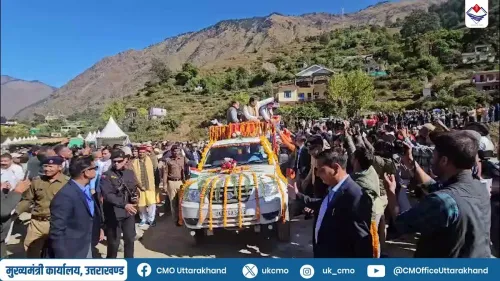
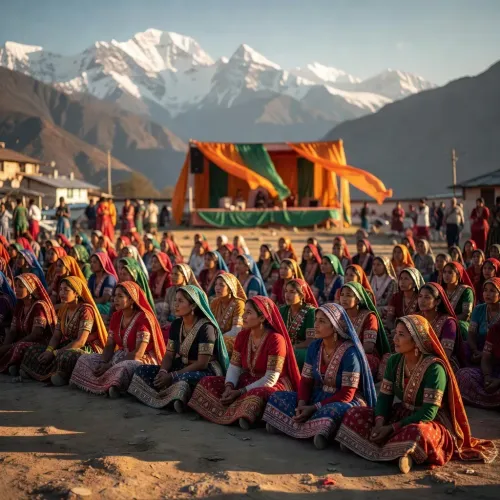
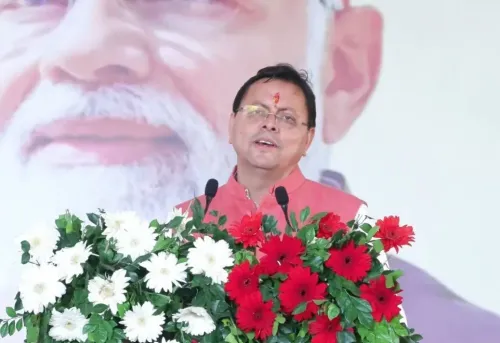
High in the Garhwal hills, a Chief Minister paused to watch — and to learn. At a Matrushakti Sammelan in Pipalkoti, Chamoli district, Chief Minister Pushkar Singh Dhami sat with local women on Wednesday, 18 November 2026, and took instruction in the age-old technique of traditional oil-pressing — a craft passed down through mountain households for generations.
The Chief Minister's Office shared the moment on X, noting that Dhami sought to understand the pauraanik paddhati (ancient method) of oil extraction directly from the women who still practise it. The post described his engagement with 'the rich folk culture, traditional knowledge, and heritage of the mountains' as a distinctive and meaningful gesture.
What traditional oil-pressing means to Uttarakhand's hills
The craft — pressing oils from mustard, hemp, or other hill-grown seeds using hand-operated wooden implements — is woven into the domestic and economic fabric of Garhwal and Kumaon villages. It represents not just a food practice but a living thread of indigenous knowledge that has sustained mountain households for centuries. As younger generations migrate to plains cities, such traditions face a quiet erosion.
Pipalkoti, a small but strategically located town on the Chamoli pilgrimage corridor, serves as a natural gathering point for communities across the high valleys. Holding a Matrushakti Sammelan — a women's empowerment conference — here signals an intent to reach practitioners of these traditions where they actually live and work.
Hill culture as a governance signal
Uttarakhand's hill communities have long held that administrative attention tends to concentrate in the Doon Valley and urban centres, leaving the cultural and livelihood concerns of the pahadi interior under-heard. Public engagements where a Chief Minister visibly defers to rural women's knowledge — rather than delivering a speech at them — carry a different symbolic register.
CM Dhami, who has held office since 2021, has periodically anchored public appearances to cultural and heritage events across the state. The Uttarakhand government has in parallel explored channels — including women's self-help groups and cultural tourism — to convert traditional knowledge into sustainable livelihoods, though specific programme outcomes from this event remain to be announced.
At a moment when hill states compete to define their identity between pilgrimage economy and modern governance, a Chief Minister learning an oil-pressing technique from village women is a small scene with a large subtext. The question now is whether the attention translates into the kind of institutional backing — documentation, market linkages, training budgets — that keeps an ancient craft alive beyond the photo opportunity.
Point of View
High-resonance gesture in a state where pahadi identity and the fear of demographic and cultural erosion drive significant electoral sentiment. The harder governance question — whether such moments are followed by policy instruments like GI tags, SHG market linkages, or heritage documentation budgets — will determine whether the optics translate into enduring impact. For a Chief Minister who came to office on a platform that includes protecting Uttarakhand's mountain character, the credibility of that promise is tested precisely in these small but specific commitments.
NationPress
18 Nov 2026
Frequently Asked Questions
What is a Matrushakti Sammelan in Uttarakhand?
A Matrushakti Sammelan is a women's conference organised in Uttarakhand to focus on empowerment, traditional practices, and community engagement, often bringing together rural women from across hill districts.
What is traditional oil-pressing in Uttarakhand?
Traditional oil-pressing in Uttarakhand refers to the ancient, hand-operated method of extracting oil from hill-grown seeds like mustard or hemp using wooden implements — a craft that has sustained mountain households for centuries.
Where is Pipalkoti located?
Pipalkoti is a town in Chamoli district , Uttarakhand, situated in the Garhwal region along pilgrimage routes leading to Badrinath.
What did CM Dhami do at the Pipalkoti event?
At the Matrushakti Sammelan in Pipalkoti on 18 November 2026, CM Pushkar Singh Dhami interacted with local women and took instruction in the traditional, ancient method of oil extraction practised in Uttarakhand's hills.
How is Uttarakhand preserving its traditional crafts?
Uttarakhand has periodically highlighted folk culture and indigenous knowledge through public events, and has explored channels including women's self-help groups and cultural tourism to help sustain traditional livelihoods in rural hill communities.