Giriraj Singh hails NIFT Srinagar's PAYAAM craft bazaar
Synopsis
Union Textiles Minister Giriraj Singh commended NIFT Srinagar's three-day PAYAAM craft and design market for bridging Kashmir's traditional craftsmanship with modern design, calling it a platform that opens new opportunities for local artisans and youth.
Key Takeaways
PAYAAM is a three-day craft and design market organised by NIFT Srinagar in Srinagar .
Union Textiles Minister Giriraj Singh lauded the event on 18 November 2026 for uniting traditional Kashmiri crafts with modern design on a single platform.
NIFT , established in 1986 under the Ministry of Textiles, has run craft cluster and bazaar programmes since the early 2000s across its campus network.
Kashmiri crafts such as Pashmina , hand-knotted carpets, and embroidery stand to gain wider market exposure through such designer-artisan dialogues.
The Ministry of Textiles uses NIFT events to modernise regional handicraft sectors while preserving their cultural identity.
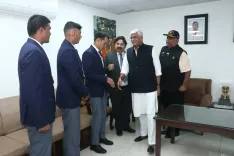
Kashmir's centuries-old craft traditions and contemporary design sensibility shared the same stage in Srinagar this week, as the National Institute of Fashion Technology (NIFT) concluded its three-day craft and design market titled PAYAAM — an initiative Union Textiles Minister Giriraj Singh praised on 18 November 2026 as a meaningful bridge between artisans, designers, and young people.
Posting on X, the minister said the event had done 'commendable work in bringing Kashmir's traditional craftsmanship and modern design onto a single platform.' He added that the dialogue and collaboration fostered among artisans, designers, and youth would 'open doors to new opportunities for craftspeople while giving local handicrafts a fresh identity.'
What PAYAAM brought to Srinagar's craft community
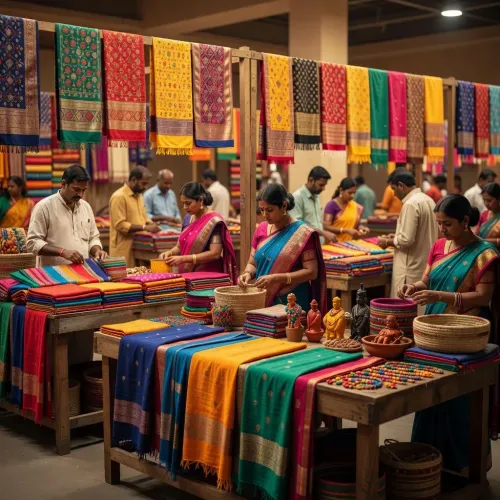
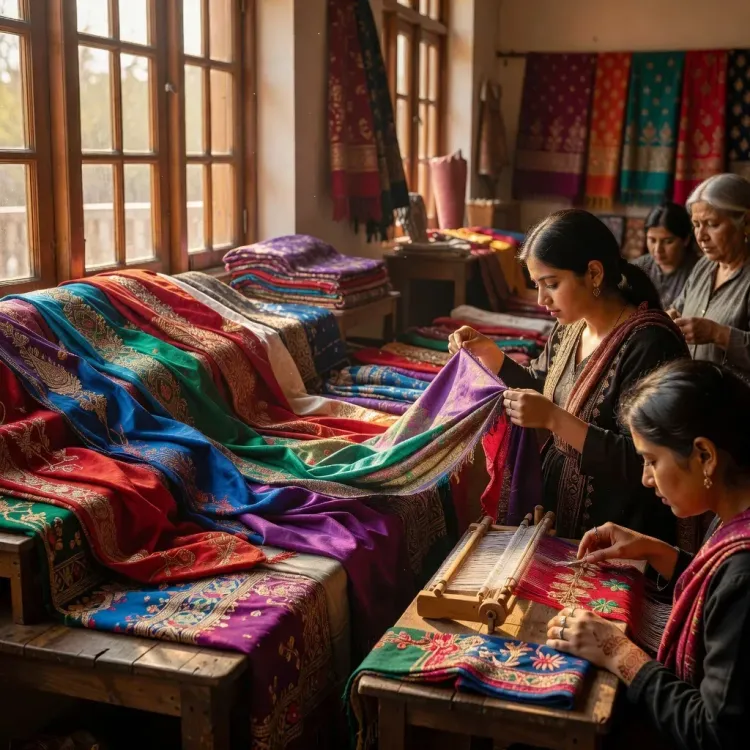
NIFT Srinagar, the valley's premier fashion and design institution, organised PAYAAM as a dedicated marketplace and exchange forum. The format — a bazaar paired with dialogue sessions — was designed to give Kashmiri artisans direct exposure to design thinking and market channels, connecting the makers of Pashmina, hand-knotted carpets, and intricate embroidery with a younger, design-literate audience.
The event sits within a longer tradition. NIFT, established in 1986 as an autonomous body under the Ministry of Textiles, has run craft cluster and bazaar programmes since the early 2000s, using its campus network to pull regional artisan communities into design conversations they might otherwise never enter. PAYAAM is the Srinagar chapter of that broader effort.
Ministry of Textiles' wider craft-modernisation push
The minister's endorsement of PAYAAM is consistent with the textiles ministry's standing approach: deploy NIFT's institutional reach to modernise the handloom and handicraft sectors without erasing their regional character. Similar markets and artisan-training programmes have been held at NIFT centres across the country, each anchored to the craft identity of its host region.
Kashmir's handicraft sector carries particular weight — both culturally and economically — for Jammu and Kashmir. Pashmina shawls, sozni embroidery, and hand-knotted carpets are globally recognised, yet artisan livelihoods remain vulnerable to supply-chain gaps and market access barriers. Events like PAYAAM, by placing craftspeople in direct conversation with designers and buyers, aim to close some of those gaps.
If PAYAAM's model gains traction, the question is whether it translates into sustained orders and training pipelines for Kashmiri artisans — or remains a celebrated showcase. The minister's spotlight now puts that follow-through firmly in view.
Point of View
Where artisan livelihoods carry both economic and political significance. The bazaar-and-dialogue format reflects a deliberate shift from top-down subsidy models to market-linkage approaches. The real test, however, is whether one-off showcase events evolve into durable supply chains and training pipelines. The minister's public backing raises the stakes for that follow-through.
NationPress
18 Nov 2026
Frequently Asked Questions
What is PAYAAM by NIFT Srinagar?
PAYAAM is a three-day craft and design market organised by NIFT Srinagar to bring together Kashmiri traditional artisans, modern designers, and local youth on a common platform, aiming to give regional handicrafts wider market exposure and new commercial opportunities.
What did Giriraj Singh say about the PAYAAM event?
Union Textiles Minister Giriraj Singh praised PAYAAM for doing 'commendable work' in uniting Kashmir's traditional craftsmanship with modern design, and said the initiative would open new opportunities for artisans while giving local handicrafts a fresh identity.
What is NIFT and what is its role in craft promotion?
The National Institute of Fashion Technology (NIFT) is an autonomous body established in 1986 under the Ministry of Textiles. It has run craft cluster and bazaar programmes since the early 2000s to connect regional artisans with designers and markets across India.
Which Kashmiri crafts are associated with events like PAYAAM?
Kashmir's globally recognised crafts — including Pashmina shawls, hand-knotted carpets, and sozni embroidery — are the primary beneficiaries of artisan-designer platforms like PAYAAM, which aim to modernise their market access without diluting their cultural heritage.
How does the Ministry of Textiles support traditional handicrafts?
The Ministry of Textiles uses NIFT campuses nationwide to integrate traditional craft education with design and market exposure. Craft bazaars, artisan training programmes, and cluster development initiatives form part of a wider strategy to modernise the handloom and handicraft sectors.