Giriraj Singh highlights NIFT Hyderabad's AI-meets-craft vision
Synopsis
Union Textiles Minister Giriraj Singh on 10 November 2026 spotlighted NIFT Hyderabad's curriculum — blending traditional weaving with AI-based design and modern production — as a blueprint for equipping India's next generation of fashion professionals to compete globally while preserving craft heritage.
Key Takeaways
Union Textiles Minister Giriraj Singh posted on 10 November 2026 highlighting NIFT Hyderabad as a model for future-ready fashion education.
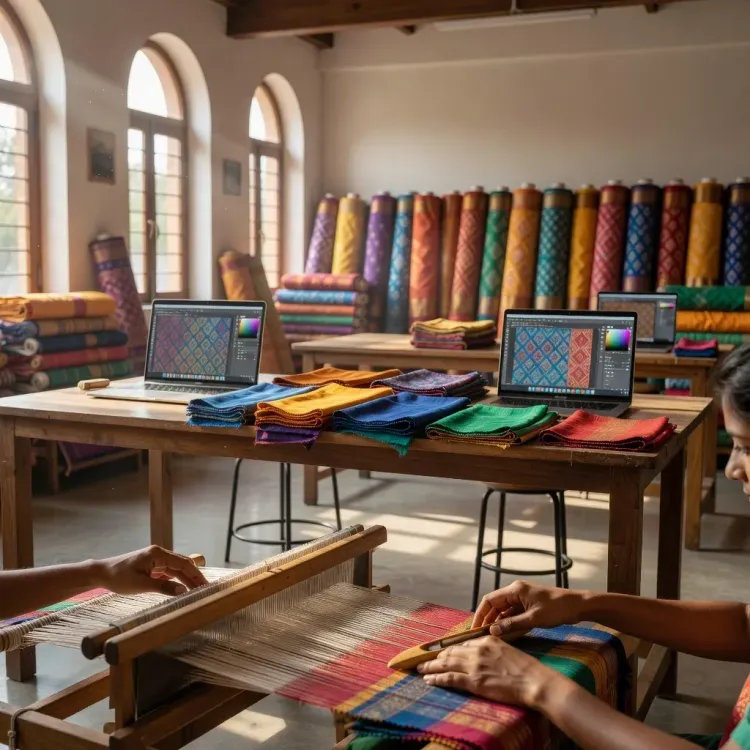
Students at the campus are learning both traditional weaving arts and AI-based design alongside modern production techniques.
The National Institute of Fashion Technology was established in 1986 by the Ministry of Textiles to professionalise fashion education and connect Indian textile traditions to industry needs.
The Hyderabad campus sits in a state rich in handloom heritage — including Pochampally ikat and Gadwal silk — making the craft-plus-technology push locally resonant.
The ministry's long-standing policy goal is to add value to the textiles sector by bridging artisan skills with digital and design competencies for global export competitiveness.
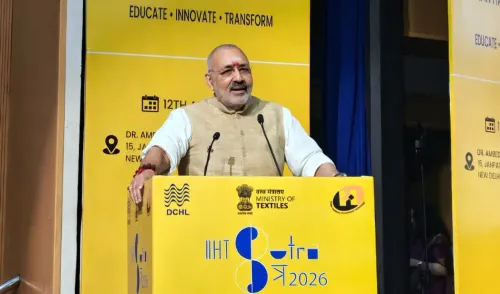
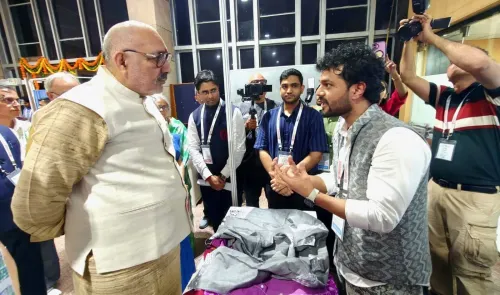
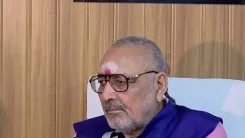
Traditional weaving skills and artificial intelligence design tools are converging inside the same classroom — and Union Textiles Minister Giriraj Singh wants the country to take note. On Tuesday, 10 November 2026, the minister took to X to spotlight NIFT Hyderabad as a living example of how India's fashion education is being reimagined at the intersection of heritage craft and cutting-edge technology.
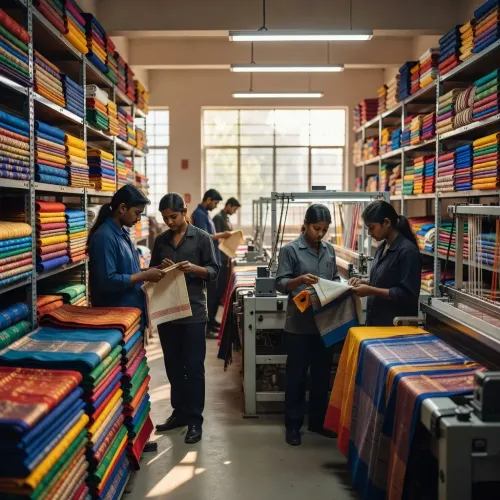
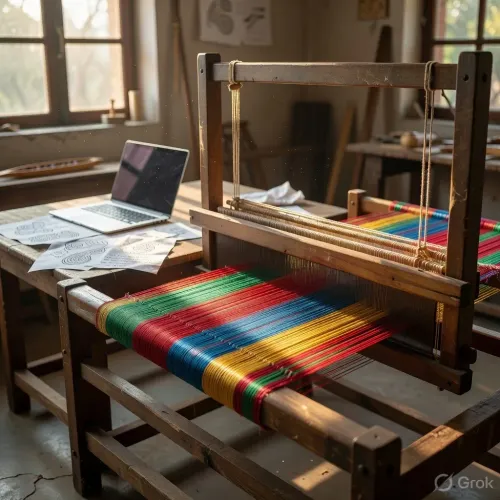
Posting in Hindi, Singh wrote: 'फैशन की दुनिया अब पारंपरिक हुनर और आधुनिक तकनीक के संगम से नई दिशा गढ़ रही है' — 'The world of fashion is now forging a new direction from the confluence of traditional skill and modern technology.' He pointed to students at the Hyderabad campus mastering everything from the age-old art of weaving to AI-based design and contemporary production methods, calling it 'an important step towards giving the future fashion industry a new identity through the blend of creativity, technology and skill.'
NIFT Hyderabad: where the loom meets the algorithm
NIFT — the National Institute of Fashion Technology — was founded in 1986 by the Ministry of Textiles with a clear mandate: professionalise fashion education and build a living bridge between India's storied handloom traditions and the demands of a modern industry. The Hyderabad campus is one of the network's key nodes, offering degree programmes that span design, technology and management. What Singh is signalling on Tuesday is that this mandate has evolved well beyond drafting tables and fabric swatches — it now runs algorithms.
The broader pattern is deliberate policy. Successive governments have pushed NIFT campuses to update their curricula so that handloom knowledge and digital tools are not competing priorities but complementary ones. The logic is straightforward: India's textiles sector needs graduates who can honour a craft tradition while also competing in global markets where speed, data-driven design and sustainable production are non-negotiable.
Why craft-plus-code matters for Indian textiles
India's textiles and apparel sector is one of its largest employers, with millions of artisans, weavers and garment workers in the value chain. The gap between that grassroots workforce and the design-tech skills demanded by export buyers has long been a structural challenge. Equipping the next generation of fashion professionals with both a weaver's intuition and a designer's digital fluency is precisely the kind of value addition the Ministry of Textiles has argued India needs to move up the global supply chain.
Giriraj Singh's post is a pointed flag on that ambition — particularly at a campus in Telangana, a state with its own rich handloom heritage in Pochampally ikat and Gadwal silk. The minister's framing — creativity, technology, skill as a trinity — mirrors the language of skilling and export-competitiveness that has anchored textiles policy for the better part of a decade.
Watch for possible follow-on announcements: revised NIFT syllabi incorporating AI design modules more formally, or new centres of excellence focused on sustainable and technology-led production, could be the next concrete steps this spotlight is building toward.
Point of View
Not an outlier experiment. Framing NIFT Hyderabad as a proof-of-concept for 'creativity, technology and skill' is consistent with the government's broader push to move India's textiles exports up the value chain — away from commodity fabric and toward design-led, tech-enabled products. The timing also matters: with global apparel buyers increasingly demanding data-driven design cycles and sustainable sourcing, equipping graduates with both craft intuition and algorithmic tools is a competitive necessity, not a luxury. If formal curriculum revisions or dedicated AI centres of excellence follow, this post will mark the moment the ministry planted its flag.
NationPress
10 Nov 2026
Frequently Asked Questions
What did Giriraj Singh say about NIFT Hyderabad?
On 10 November 2026 , Union Textiles Minister Giriraj Singh posted that students at NIFT Hyderabad are learning traditional weaving arts alongside AI-based design and modern production techniques, calling it an important step toward shaping the future of the fashion industry.
What is NIFT Hyderabad and which ministry oversees it?
NIFT Hyderabad is a campus of the National Institute of Fashion Technology , an autonomous institute established in 1986 under the Ministry of Textiles . It offers degree programmes in design, technology and management.
How is AI being used in fashion education at NIFT?
According to Minister Singh's post, students at NIFT Hyderabad are receiving training in AI-based design tools as part of a curriculum that also covers traditional craft skills and contemporary production methods. The exact scope of current AI modules has not been officially detailed beyond the minister's post.
Why is combining traditional weaving with modern technology important for India's textiles sector?
India's textiles sector employs millions of artisans and weavers; equipping graduates with both heritage craft knowledge and digital design skills helps the industry move up the global value chain, improve export competitiveness and meet buyer demands for data-driven, sustainable design.
What could come next from the Textiles Ministry on fashion education?
Analysts are watching for possible announcements on revised NIFT syllabi formally incorporating AI design modules, or new centres of excellence focused on sustainable and technology-led production — areas the ministry has signalled as priorities.