Giriraj Singh backs BHARAT TULIP to link artisans to digital markets
Synopsis
Union Textiles Minister Giriraj Singh has backed the BHARAT TULIP initiative, which aims to connect India's traditional artisans with digital markets, preserve handicraft heritage, and strengthen artisan livelihoods through wider online access.
Key Takeaways
BHARAT TULIP is a Ministry of Textiles initiative designed to link traditional artisans to digital marketplaces.
Union Textiles Minister Giriraj Singh highlighted the initiative on 24 October 2026 , calling it a key step in artisan empowerment.
The move fits a broader policy pattern dating to the India Handloom Brand (2015) of using branding and e-commerce to formalise craft trade.
The handicrafts sector employs millions across states including Uttar Pradesh, Rajasthan, West Bengal, Gujarat, and Bihar .
Artisan registrations and sales data from forthcoming textile reviews will indicate whether the initiative achieves meaningful scale.
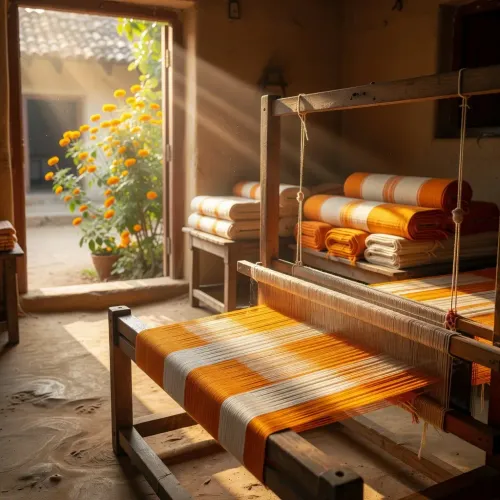
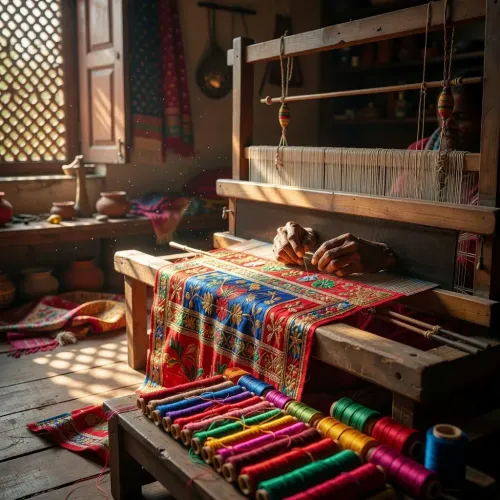
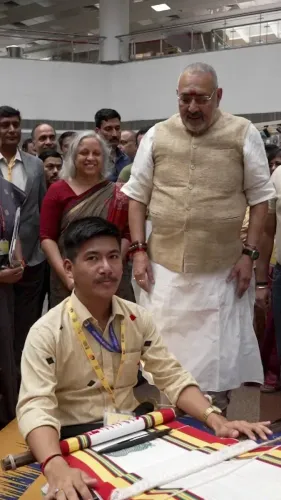
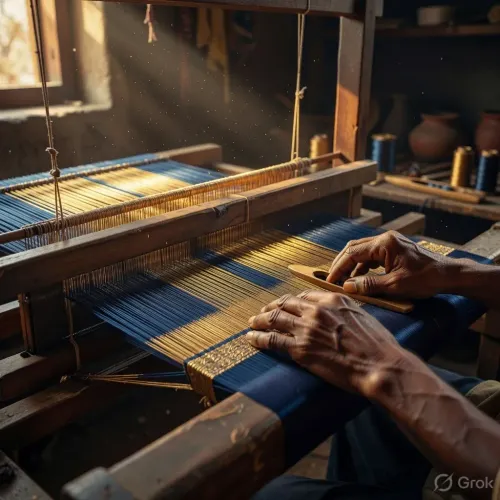
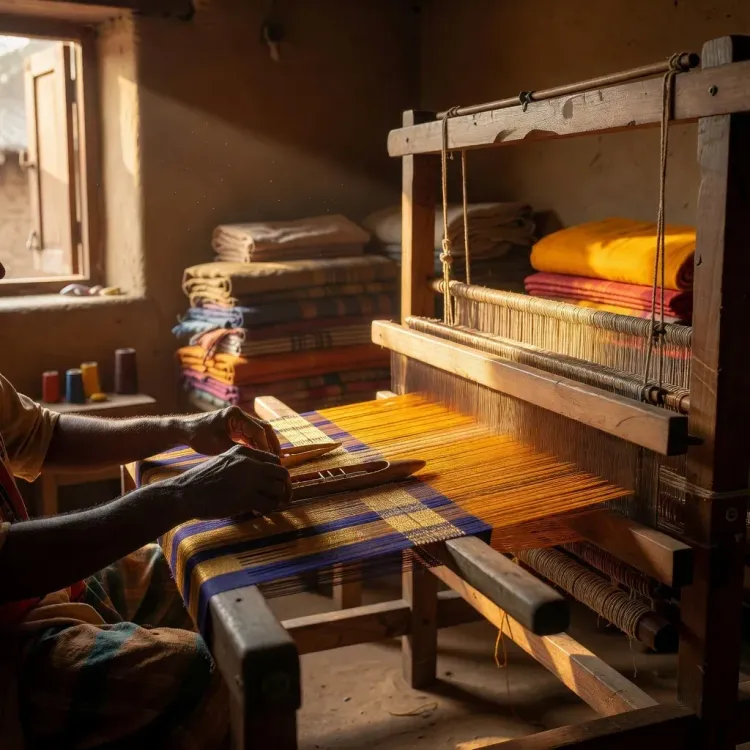
India's traditional craftspeople — the weavers, block-printers, and embroiderers who hold centuries of skill in their hands — are getting a digital lifeline. Union Textiles Minister Giriraj Singh on Saturday, 24 October 2026, spotlighted the 'BHARAT TULIP' initiative, calling it a decisive step toward connecting traditional artisans with online marketplaces and giving their work the wider recognition it deserves.
Posting on X in Hindi, the Minister wrote that the initiative is 'linking the skills of traditional artisans to the digital market, providing their products with wider recognition and new opportunities.' He added that BHARAT TULIP is 'an important step toward preserving our rich handicraft heritage while empowering the livelihoods of artisans.'
What BHARAT TULIP is meant to do
The Ministry of Textiles has, over successive years, pursued the twin goals of market access and craft preservation — from the India Handloom Brand launched in 2015 to a range of e-commerce and skill-linkage programmes. BHARAT TULIP appears to sit squarely in that lineage, aiming to pull artisans out of purely local or intermediary-dependent trade and onto formal digital platforms where buyers nationwide — and potentially globally — can reach them directly.
The handicrafts and handloom sector is one of India's largest sources of rural and semi-urban employment, engaging millions of workers across states such as Uttar Pradesh, Rajasthan, West Bengal, Gujarat, and Bihar — the Minister's own home state. Giving these workers a credible digital storefront can mean the difference between seasonal subsistence and year-round income.
The longer push to formalise India's craft economy
Branding traditional crafts and routing them through e-commerce is not new policy territory — but execution has historically been uneven. Artisan registrations, digital literacy, logistics in remote clusters, and fair pricing on online platforms remain persistent pressure points. A named initiative with ministerial backing signals intent; the test will come in artisan on-boarding numbers and actual sales volumes reported in forthcoming textile sector reviews.
For Giriraj Singh, championing artisan welfare carries political as well as policy weight: Bihar, which he represents from the Begusarai constituency, has a significant weaving and craft tradition, and rural livelihood narratives resonate deeply ahead of any electoral cycle.
Whether BHARAT TULIP delivers scale or remains a branding exercise will ultimately be read in one number: how many artisan households report a measurable income gain.
Point of View
However, will be judged against the persistent gap between ministerial announcements and on-ground artisan outcomes that has shadowed similar schemes. With Bihar's craft economy in the background, Singh's advocacy also carries a constituency dimension that could intensify political pressure to show results quickly. Analysts will watch whether BHARAT TULIP generates verifiable income data or fades into the long list of branded-but-untracked craft programmes.
NationPress
24 Oct 2026
Frequently Asked Questions
What is the BHARAT TULIP initiative?
BHARAT TULIP is a Ministry of Textiles initiative aimed at connecting India's traditional artisans and handicraft workers to digital marketplaces, providing them with wider market access and helping preserve regional craft traditions.
What did Giriraj Singh say about BHARAT TULIP?
Union Textiles Minister Giriraj Singh described BHARAT TULIP as an important step toward linking artisan skills to the digital market and empowering livelihoods while safeguarding India's rich handicraft heritage.
Which artisans benefit from BHARAT TULIP?
The initiative targets traditional artisans and handicraft workers across India, including weavers, embroiderers, and craft-makers concentrated in states such as Uttar Pradesh, Rajasthan, West Bengal, Gujarat, and Bihar.
How does BHARAT TULIP relate to earlier government schemes for artisans?
It continues a policy lineage that includes the India Handloom Brand launched in 2015, which similarly sought to give traditional textile products a formal market identity and connect them to broader consumer channels.
What will determine whether BHARAT TULIP succeeds?
Key indicators will include the number of artisans registered on the digital platform, actual sales volumes, and income improvements reported in upcoming Ministry of Textiles sector reviews.