CM Dhami: Nature Guides Are Uttarakhand's Brand Ambassadors
Synopsis
Chief Minister Pushkar Singh Dhami has declared nature guides the brand ambassadors of Uttarakhand, spotlighting their role in eco-tourism and conservation. The statement aligns with the state's long-running push to link local livelihoods with regulated, sustainable visitor management in ecologically sensitive Himalayan zones.
Key Takeaways
CM Pushkar Singh Dhami declared nature guides the brand ambassadors of Uttarakhand on 19 July 2026 .
The statement was shared by the Chief Minister's Office of Uttarakhand on its official X account.
Uttarakhand's economy relies heavily on pilgrimage and nature tourism, making trained local guides critical to both livelihoods and ecological management.
The state's tourism and forest departments have run certified guide training programmes for local youth over successive governments.
Key eco-tourism zones include Corbett National Park , Rajaji Tiger Reserve , and high Himalayan trekking corridors.
The declaration may precede expansion of guide training batches or integration of guides into state tourism branding campaigns.
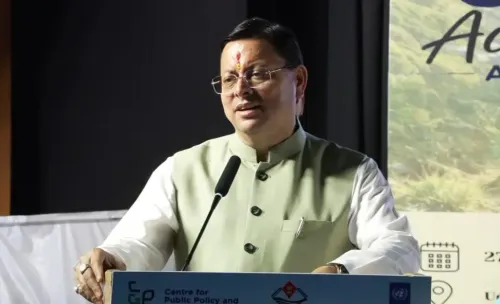
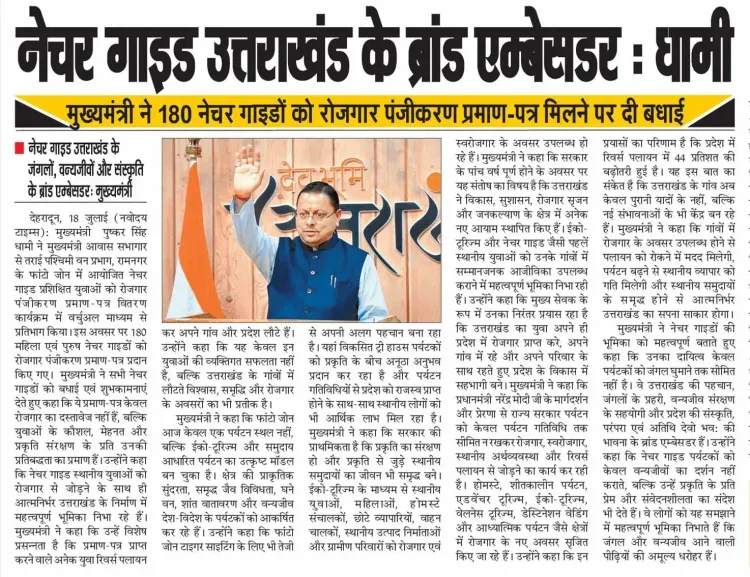
Chief Minister Pushkar Singh Dhami on Sunday, 19 July 2026, declared that nature guides are the brand ambassadors of Uttarakhand, positioning trained local guides at the centre of the state's tourism and ecological identity. The statement, shared by the Chief Minister's Office of Uttarakhand on its official X account, signals a deliberate effort to elevate the role of grassroots eco-tourism workers in the state's public image.
Context
In the post, CM Dhami described nature guides as 'ब्रांड एंबेसडर' (brand ambassadors) of the state, a characterisation that goes beyond ceremonial praise. By formally associating the state's brand identity with local guides, the Chief Minister is signalling that these workers are not peripheral service providers but central figures in how Uttarakhand presents itself to the world.
Uttarakhand's economy is deeply intertwined with pilgrimage circuits and nature tourism, drawing millions of visitors annually to destinations such as Corbett National Park, Rajaji Tiger Reserve, and the high Himalayan trekking routes. The ecological sensitivity of these zones makes the quality and training of local guides a matter of both livelihood and conservation.
Policy Backdrop
Uttarakhand's tourism and forest departments have, over successive governments, run training programmes for local youth as certified nature and trekking guides. These programmes are designed to serve a dual purpose: generating employment for communities living adjacent to forests and protected areas, and ensuring that visitor footfall in fragile ecosystems is managed by knowledgeable, accountable personnel.
The Dhami government has placed consistent emphasis on state branding and sustainable tourism since 2021. Framing nature guides as brand ambassadors fits within a broader pattern of linking local livelihoods to regulated, eco-sensitive visitor management — a model that successive administrations in the state have refined over the years.
Stakeholders and Impact
The primary beneficiaries of this positioning are local youth who have undergone or are enrolled in certified guide training, as well as eco-tourism operators who depend on trained guides to deliver credible nature experiences. Recognition at the Chief Minister level can translate into stronger institutional support, better access to training resources, and improved bargaining power for guides in negotiations with tour operators.
For visitors and the broader tourism sector, a well-branded, professionally trained guide corps raises the quality benchmark for nature tourism across the state. It also reinforces the message that responsible tourism in Uttarakhand is a community-led enterprise, not merely a commercial one.
What's Next
The statement is likely a precursor to, or accompaniment of, concrete policy action — potentially the roll-out or expansion of certified nature-guide training batches, or the integration of guides into official state tourism branding campaigns ahead of peak pilgrimage and trekking seasons. Observers will watch whether the declaration is followed by budgetary allocations, new certification frameworks, or formal tie-ups with hospitality and travel platforms. The framing of guides as brand ambassadors also opens the door to their inclusion in state-level promotional material and international tourism outreach.
Point of View
CM Dhami is making a calculated move to humanise Uttarakhand's tourism pitch at a time when over-tourism and ecological degradation are live political risks in the Himalayan state. The framing shifts the narrative from infrastructure-led growth to community-led stewardship, a message with appeal both domestically and in international eco-tourism markets. It also pre-empts criticism that the state's tourism boom bypasses local communities by placing grassroots workers visibly at the centre of the brand. Whether the declaration translates into durable policy — training budgets, certification upgrades, or formal branding inclusion — will determine its lasting impact.
NationPress
19 Jul 2026
Frequently Asked Questions
What did CM Pushkar Singh Dhami say about nature guides in Uttarakhand?
CM Pushkar Singh Dhami declared that nature guides are the brand ambassadors of Uttarakhand, recognising their central role in the state's eco-tourism identity and visitor management.
What is the role of nature guides in Uttarakhand's tourism?
Nature guides in Uttarakhand lead visitors through ecologically sensitive zones such as Corbett and Rajaji, ensuring regulated footfall while providing livelihoods for local youth trained by the state's tourism and forest departments.
Does Uttarakhand have a training programme for nature guides?
Yes, Uttarakhand's tourism and forest departments have run periodic certified training programmes for local youth as nature and trekking guides, linking employment with biodiversity protection.
Why is eco-tourism important for Uttarakhand?
Uttarakhand's economy depends significantly on pilgrimage and nature tourism; eco-tourism managed by trained local guides helps balance visitor revenue with the conservation of fragile Himalayan ecosystems.
What could follow CM Dhami's nature guide announcement?
The declaration may be followed by expansion of certified guide training batches, new certification frameworks, or the formal inclusion of nature guides in state tourism branding campaigns ahead of peak seasons.