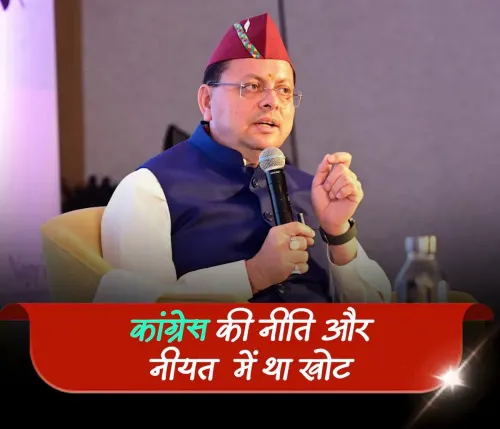
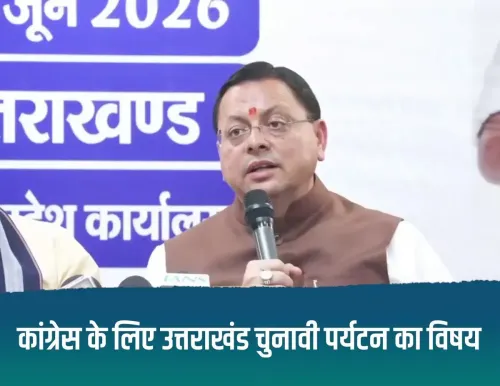
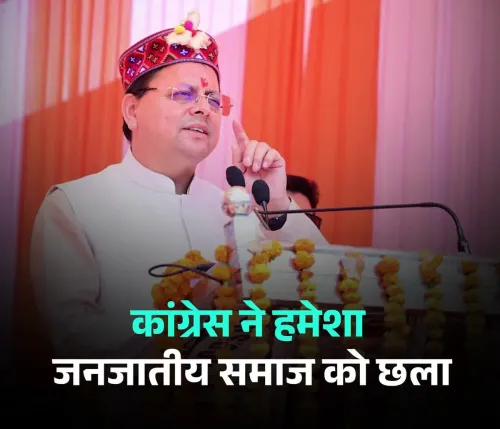
CM Dhami: Opposition treats minorities as political toolkit
Synopsis
Chief Minister Pushkar Singh Dhami on 1 July 2026 charged that the opposition has long treated minority communities as a political toolkit, using them only for votes. The statement sharpens the BJP's ideological pitch in Uttarakhand ahead of the 2027 assembly elections.
Key Takeaways
CM Pushkar Singh Dhami on 1 July 2026 accused the opposition of treating minority communities as a 'toolkit' for electoral gain rather than as citizens deserving real development.
The statement was shared by the official Chief Minister's Office of Uttarakhand account on X.
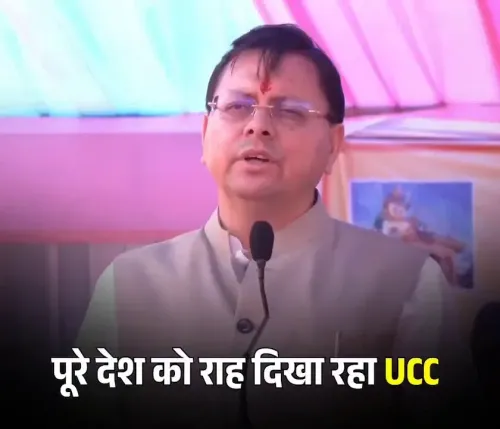
Uttarakhand became the first Indian state to enact a Uniform Civil Code in 2024 , a flagship policy of the Dhami government presented as equal treatment for all communities.
The BJP's critique of opposition 'appeasement politics' has been a consistent national talking point since 2014 , now being deployed at the state level ahead of 2027 elections .
Opposition responses and any follow-up policy moves in the Uttarakhand legislative session will be key indicators of how this political contest develops.
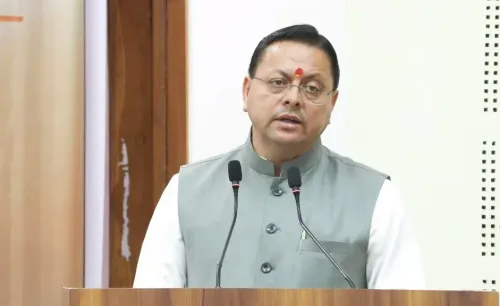
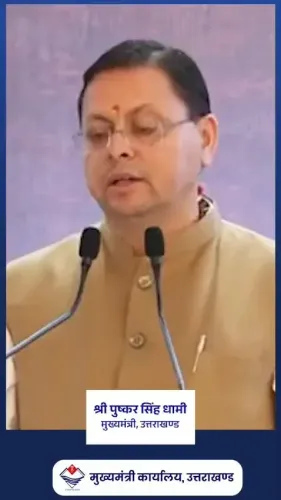
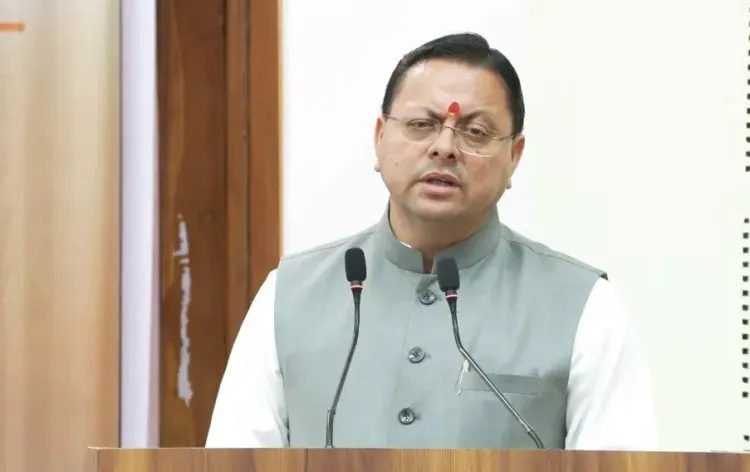
The Chief Minister's Office of Uttarakhand, on Wednesday, 1 July 2026, shared a pointed statement by Chief Minister Pushkar Singh Dhami accusing the opposition of reducing minority communities to a vote-bank instrument rather than treating them as equal citizens deserving genuine development.
Context
Speaking in remarks amplified by the official CMO account, CM Dhami said: 'The opposition has always treated the minority community as a toolkit of politics. They want the minority community to keep voting for them like a toolkit.' The statement, delivered in Hindi, frames the opposition's minority outreach as cynical electoral mobilisation rather than substantive policy engagement.
The remarks come as Uttarakhand approaches the 2027 state assembly elections, a cycle in which the ruling Bharatiya Janata Party (BJP) is expected to contest its governance record and sharpen ideological contrasts with the opposition.
Policy Backdrop
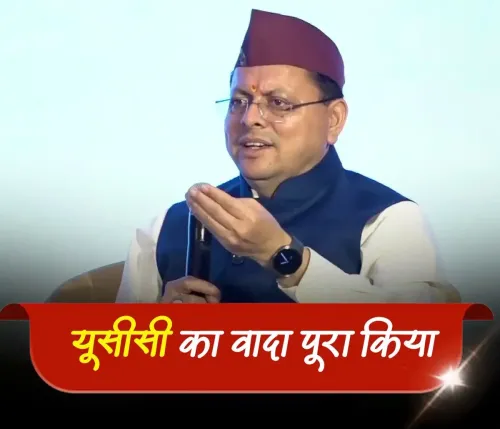
Uttarakhand made national history in 2024 when it became the first Indian state to enact and begin implementing a Uniform Civil Code (UCC), a law applicable to all communities regardless of religion. The Dhami government has positioned the UCC as a step toward equal legal rights for all citizens, including minorities, countering the argument that personal-law distinctions amounted to preferential treatment.
The BJP's national leadership has, since 2014, consistently deployed the critique of 'appeasement politics' — the charge that Congress-era governments cultivated minority votes through selective concessions rather than universal welfare. CM Dhami's statement on 1 July 2026 replicates this framing at the state level, tying it to Uttarakhand's own legislative trajectory on religious conversion laws and social-policy reform.
Stakeholders and Impact
Minority communities in Uttarakhand — primarily Muslims and Christians — are the subject of the political contest being described. The BJP's argument is that genuine uplift, rather than vote-bank consolidation, should define the relationship between parties and these communities. Opposition parties, including the Indian National Congress, have historically disputed the 'appeasement' label, arguing their policies reflect constitutional protections for religious minorities.
The statement is also significant for smaller parties and regional outfits that have built electoral coalitions around minority-community mobilisation in the hills and Terai belt of Uttarakhand. Any formal policy announcement or legislative move flowing from this rhetoric could directly affect community-level institutions, educational bodies, and religious endowments in the state.
What's Next
Opposition parties are likely to respond to CM Dhami's remarks, particularly as the pre-election political season in Uttarakhand intensifies ahead of 2027. Analysts will watch whether this statement precedes a concrete policy move — such as further UCC implementation rules, a revised religious-conversion ordinance, or a minority-welfare scheme framed on universal rather than community-specific lines.
The broader national pattern suggests that such rhetoric typically accelerates in the twelve to eighteen months before a state election, making the coming legislative session in Dehradun a key indicator of whether words translate into policy action.
Point of View
Now anchored to Uttarakhand's own UCC legislation as proof of the party's 'equal citizenship' credentials. By casting the opposition as exploitative rather than protective of minorities, the BJP attempts to neutralise a traditional vote-bank disadvantage while energising its core base. The timing — over a year before the 2027 state polls — suggests a deliberate effort to set the ideological terms of the campaign early. Whether minority communities in Uttarakhand respond to this reframing or consolidate against the BJP will be one of the defining tests of the election.
NationPress
1 Jul 2026
Frequently Asked Questions
What did CM Pushkar Singh Dhami say about minorities and the opposition?
CM Dhami said the opposition has always treated the minority community as a political toolkit, wanting them to keep voting for the opposition rather than genuinely working for their welfare.
When did CM Dhami make this statement about minority communities?
The statement was shared by the Chief Minister's Office of Uttarakhand on 1 July 2026 .
What is the Uniform Civil Code in Uttarakhand?
Uttarakhand became the first Indian state to enact a Uniform Civil Code (UCC) in 2024 , a law that applies equally to all citizens regardless of religion, covering matters such as marriage, divorce, and inheritance.
Why is CM Dhami talking about minority politics ahead of 2027?
With the 2027 Uttarakhand assembly elections approaching, the BJP under CM Dhami is sharpening its ideological contrast with the opposition, framing minority outreach by rivals as vote-bank mobilisation rather than genuine welfare.
What is 'appeasement politics' in the Indian context?
'Appeasement politics' is a term the BJP uses to describe what it calls the Congress-era practice of offering selective concessions to minority communities to secure their votes, rather than pursuing universal development policies.