CM Dhami Orders Immediate Relief Amid Heavy Rain in Uttarakhand
Synopsis
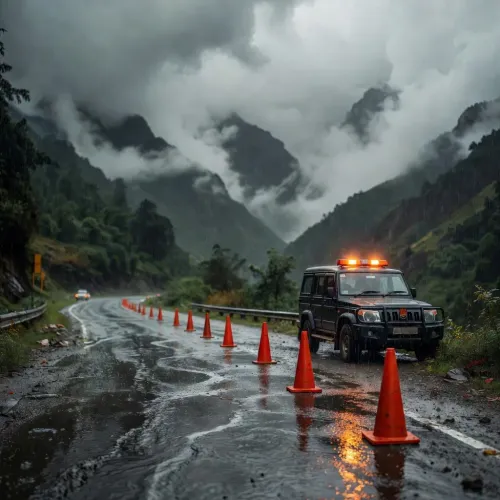
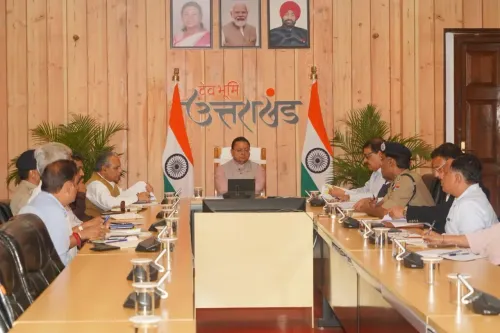
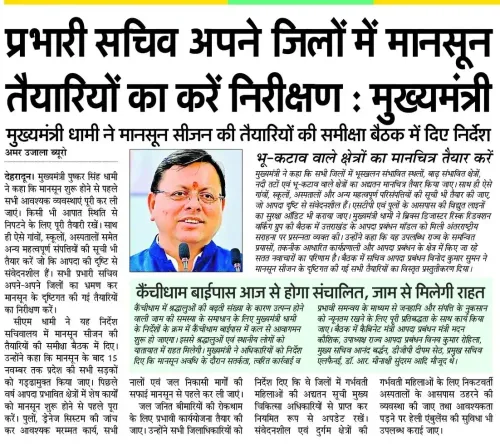
Uttarakhand CM Pushkar Singh Dhami on 19 July 2026 ordered the Chief Secretary and Disaster Management Secretary to launch immediate relief wherever landslides, road blockages, or waterlogging strike, with special watch on Char Dham Yatra routes and essential services restoration.
Key Takeaways
CM Pushkar Singh Dhami issued emergency directives to the Chief Secretary and Disaster Management Secretary on 19 July 2026 in response to heavy monsoon rainfall across Uttarakhand .
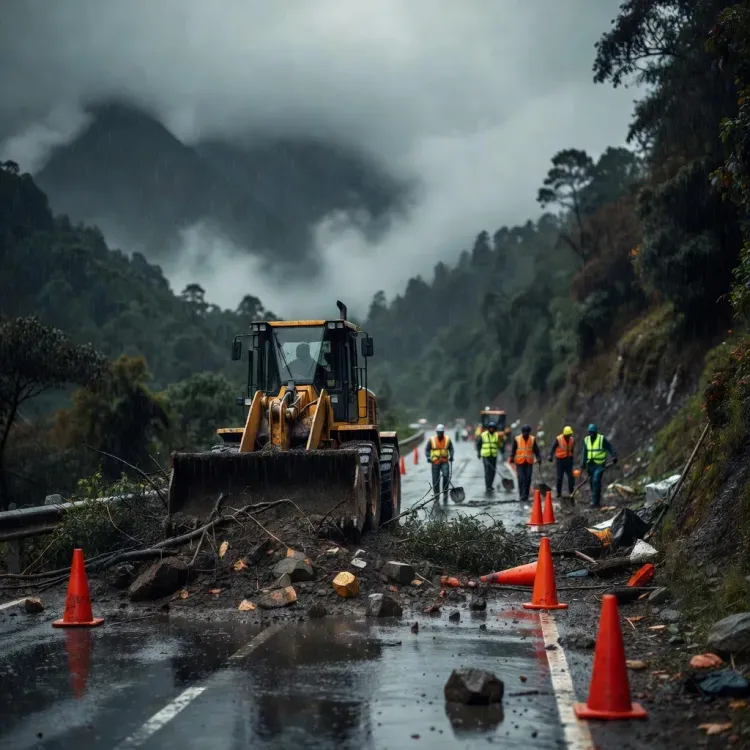
Officials were ordered to begin relief and rescue operations immediately wherever landslides, road blockages, waterlogging, or other disasters occur.
Restoration of roads, electricity, drinking water, and communication services was designated the highest priority if disrupted.
Continuous monitoring of all major routes, including the Char Dham Yatra corridors to Badrinath, Kedarnath, Gangotri, and Yamunotri , was mandated.
Residents, pilgrims, and tourists were urged to follow advisories from the India Meteorological Department (IMD) and district administration.
The order builds on disaster protocols strengthened after the 2013 Kedarnath floods that killed over 5,000 people .
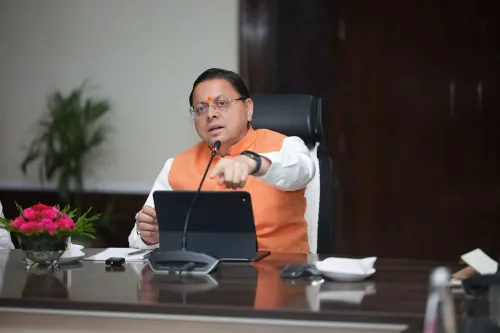
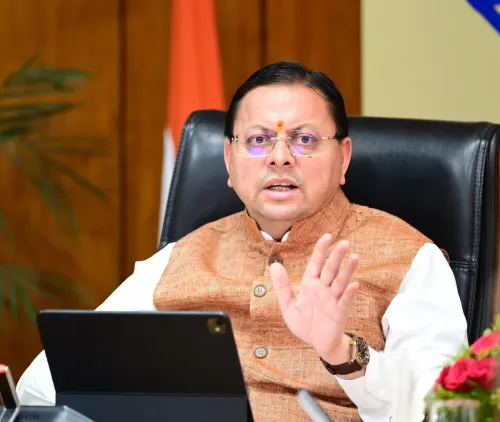
Uttarakhand Chief Minister Pushkar Singh Dhami on Sunday, 19 July 2026, directed the state's Chief Secretary and Secretary of Disaster Management to launch immediate relief and rescue operations wherever landslides, road blockages, waterlogging, or other disaster conditions emerge across the state. The order places special emphasis on protecting pilgrims on the Char Dham Yatra routes and urges residents and visitors to follow advisories issued by the weather department and district administration.
Context
Posting in Hindi on the evening of 19 July 2026, CM Dhami stated: 'प्रदेश में हो रही भारी वर्षा के दृष्टिगत' ('In view of the heavy rainfall occurring in the state'), he had issued directions to senior officials to ensure that relief reaches affected people 'on time and with every possible assistance.' The instruction covers restoration of roads, electricity, drinking water, and communication services, which he described as essential and to be treated as the 'highest priority' if disrupted.
Uttarakhand sits in the western Himalayas and receives intense monsoon rainfall between June and September each year. The terrain makes the state highly vulnerable to landslides and flash floods that can sever highway connectivity to remote hill districts within hours.
Policy Backdrop
The directive draws on the framework established by the Disaster Management Act, 2005, which created the National Disaster Management Authority and required every state to maintain active protocols for immediate calamity response. Uttarakhand bolstered its own district-level disaster control rooms and route-monitoring systems after the catastrophic 2013 Kedarnath floods, which claimed more than 5,000 lives and exposed gaps in early-warning and evacuation infrastructure.
Issuing preemptive standing orders to the Chief Secretary and Disaster Management Secretary at the onset of heavy rain is now a standard seasonal practice for the state government, reflecting institutionalised monsoon preparedness rather than a reactive measure.
Stakeholders and Impact
The most immediately affected groups are hill residents in interior districts who depend on state highways for daily supplies and medical access, and the lakhs of pilgrims undertaking the Char Dham Yatra to the shrines of Badrinath, Kedarnath, Gangotri, and Yamunotri. The yatra draws enormous footfall each summer, making route safety a dual concern of religious tourism and public safety.
CM Dhami specifically called for continuous monitoring of 'all major routes including the Char Dham Yatra route' and appealed to devotees and tourists visiting the state to strictly follow advisories issued by the India Meteorological Department (IMD) and local administration.
What's Next
Daily bulletins from the IMD will be the key trigger for any escalation or de-escalation of emergency protocols over the coming fortnight. District administrations across Uttarakhand are expected to maintain round-the-clock control room operations, with updates on route openings and closures on the Char Dham corridors likely to be issued each morning.
Should rainfall intensify, the state may invoke higher-level disaster response mechanisms under the State Disaster Response Force (SDRF), and the National Disaster Response Force (NDRF) could be requisitioned for deployment in severely affected zones — a pattern consistent with Uttarakhand's monsoon response in recent years.
Point of View
Signalling administrative readiness while also managing public anxiety during the pilgrimage season. With the Char Dham Yatra attracting lakhs of visitors and generating significant revenue for the hill economy, any disruption carries both humanitarian and political costs. The explicit mention of IMD advisories positions the state as data-driven rather than reactive, a deliberate framing since the reputational damage of the 2013 Kedarnath disaster. Sustained follow-through on essential-services restoration — not just the announcement — will be the real test of whether the institutional reforms of the past decade have taken hold.
NationPress
20 Jul 2026
Frequently Asked Questions
Why did CM Dhami issue disaster management orders on 19 July 2026?
Heavy monsoon rainfall across Uttarakhand prompted CM Pushkar Singh Dhami to direct the Chief Secretary and Disaster Management Secretary to launch immediate relief and rescue operations wherever landslides, road blockages, or waterlogging occur.
Is the Char Dham Yatra affected by the heavy rain in Uttarakhand?
CM Dhami specifically ordered continuous monitoring of Char Dham Yatra routes — covering Badrinath, Kedarnath, Gangotri, and Yamunotri — and instructed officials to ensure the safety of pilgrims travelling on these corridors.
What services does the Uttarakhand government prioritise during monsoon disasters?
Roads, electricity, drinking water, and communication services are designated as essential and must be restored on the highest-priority basis if disrupted during monsoon-related calamities, as per the CM's latest directive.
What should tourists and pilgrims in Uttarakhand do during heavy rainfall?
CM Dhami has appealed to residents, pilgrims, and tourists to strictly follow advisories issued by the India Meteorological Department (IMD) and the local district administration during periods of heavy rainfall.
How has Uttarakhand improved disaster response since the 2013 Kedarnath floods?
Following the 2013 Kedarnath floods that killed over 5,000 people, Uttarakhand strengthened district-level disaster control rooms and introduced dedicated route-monitoring systems for the Char Dham Yatra under the framework of the Disaster Management Act, 2005.